SAINT SAVA ACADEMY HELD – PROF. DR MIHAJLO PANTIĆ: ST. SAVA TO THE PRESENT DAY A WALK AND PILGRIMAGE TO SERBIAN LITERATURE
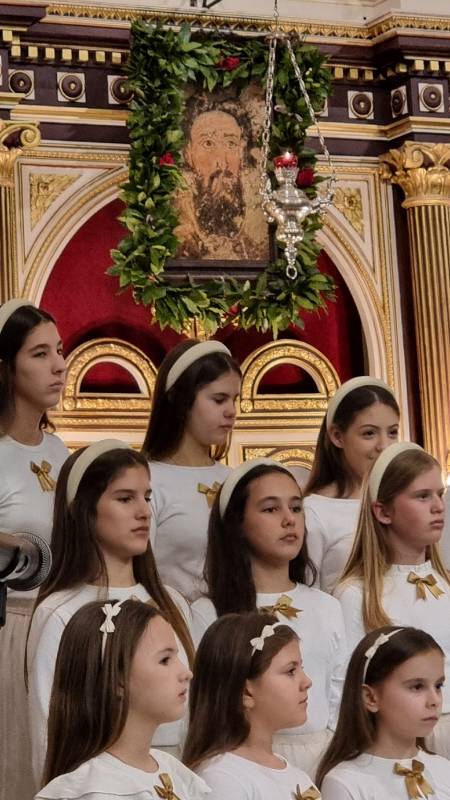
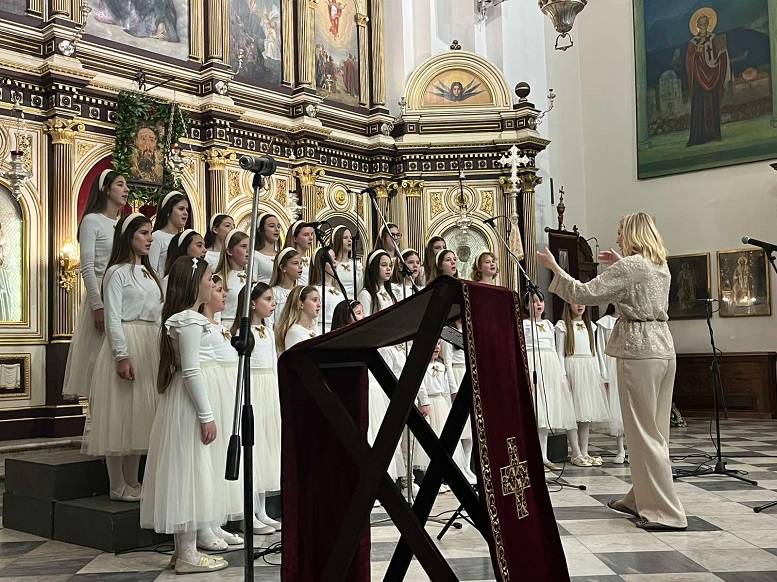
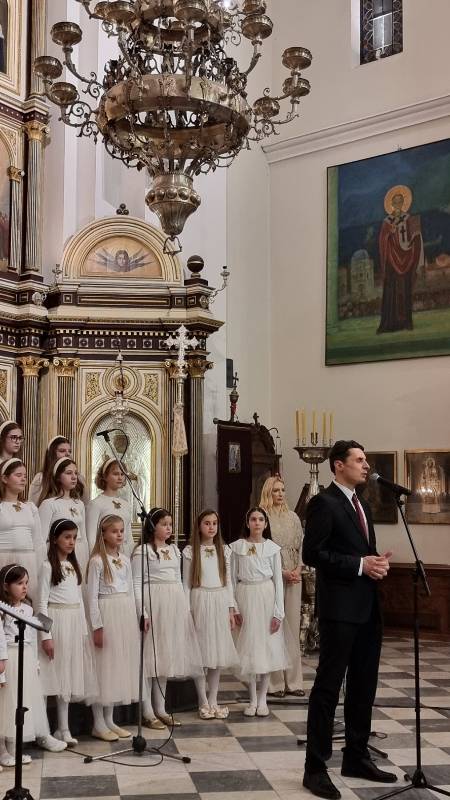
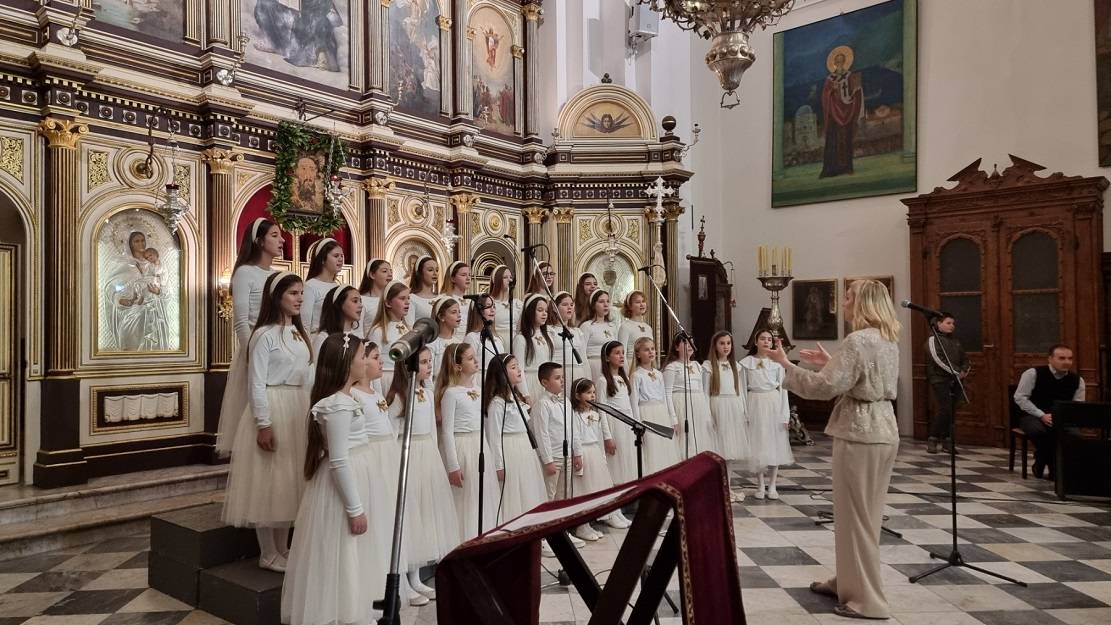
The Saint Sava Academy (January 25, 2026) in the Church of St. Nicholas began with a performance by the children's choir of the Serbian Singing Society (SPD) "Jedinstvo" (1839) Kotor. Under the baton of Mrs. Ivana Krivokapić, the youngest choristers sang the first (so-called Kotor) hymn to Saint Sava "O Serbian Young Innocent Children", which was composed by Giovanni Salgeti to the text of Prot. Jovan Sundečić.
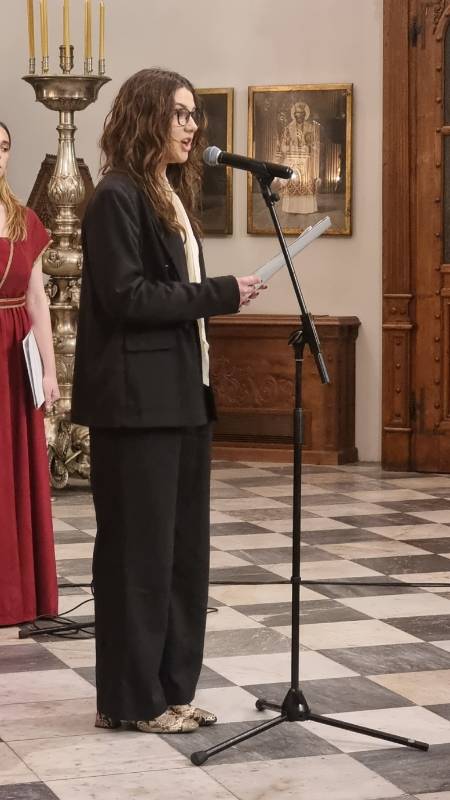
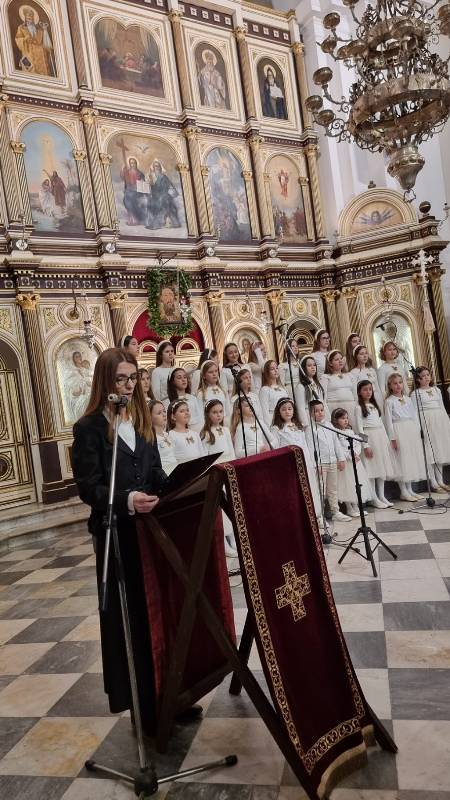
Prof. Serbian language and literature Ljiljana Čolan led the academy, which is traditionally organized by the Serbian Orthodox Church Municipality of Kotor and the SPD "Jedinstvo", emphasizing that "Boka Kotorska remembers Saint Sava and considers him its protector".
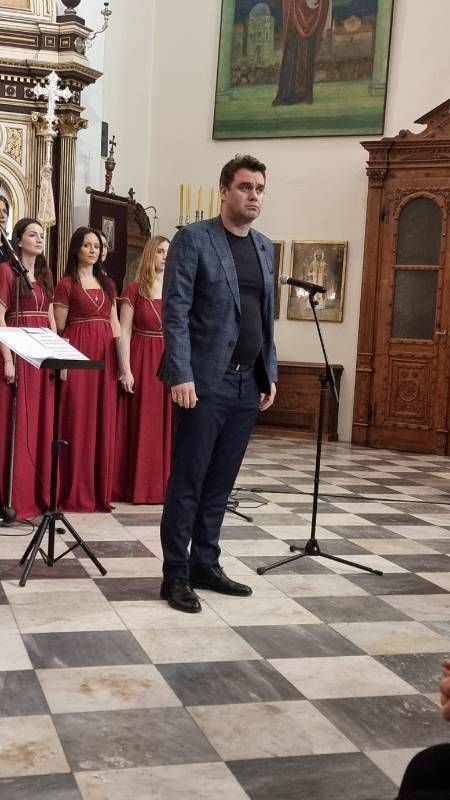
The text continues with the course of yesterday's Saint Sava Academy, which was also attended by the president of the Kotor Municipality Vojin Batuta.
"Savindan has been celebrated here "since time immemorial", because the son of Stefan Nemanja, Saint Simeon, the first Serbian archbishop, educator, writer, wise statesman, man of high abilities, left deep traces of his life and work in the Serbian people. It is understandable why the cult of Saint Sava is developed everywhere where our people live, and the people of Boka have a special relationship with Saint Sava. The celebration of Savindan in Boka is also special. The Serbian Singing Society Jedinstvo, founded in Kotor in 1839, proudly celebrates its patron saint and invites every honest and patriotic citizen to become part of this Society that respects its tradition, cherishes religious tolerance and remembers the figure and work of Saint Sava,” said Čolan.
The Vice President of “Jedinstvo” Petar Bukilica then spoke, speaking about the history of the Society and its mission. “Since its founding, Jedinstvo has been internally celebrating and marking Savindan, and since 1868, when our Society took Saint Sava as its patron saint, it has regularly held ceremonial academies, as written in our chronicles, with declamations, speeches, songs, recitations and a drama program, with the mandatory participation of students from Kotor schools, since Saint Sava is a school slava. Saint Sava is our heavenly protector and patron. He is the foundation of our past and the beacon of our future. His image is on our Slava icon, his image is on our flag, on our seal and on the emblem of our society. From our foundation until today, he has protected, guarded, taught, guided, gathered and gathered us, just as is the case tonight. We will celebrate him as long as the SPD “Jedinstvo” exists, and we are additionally obliged to do so by the four Orders of Saint Sava with which our Society has been decorated. In 1921, the SPD “Jedinstvo” was decorated with the Order of Saint Sava of the fifth degree, in 1930 with the fourth degree, in 1940 with the third degree and in 1989 with the Order of Saint Sava of the second degree. "We are proud of these orders, but they also oblige us to be worthy bearers of the Order of Saint Sava," said Bukilica, among other things, thanking the Municipality of Kotor and the Municipal Secretariat for Culture, Sports and Social Activities for their cooperation and support....
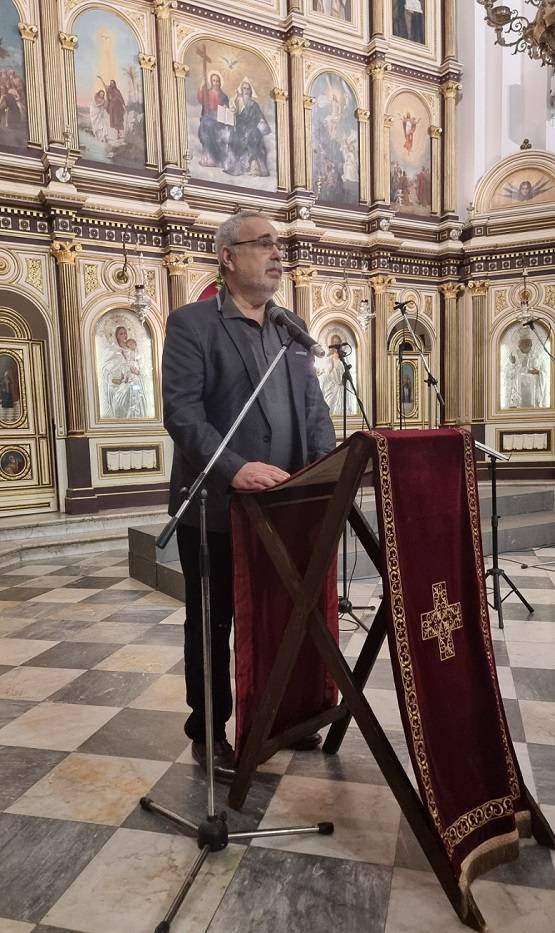
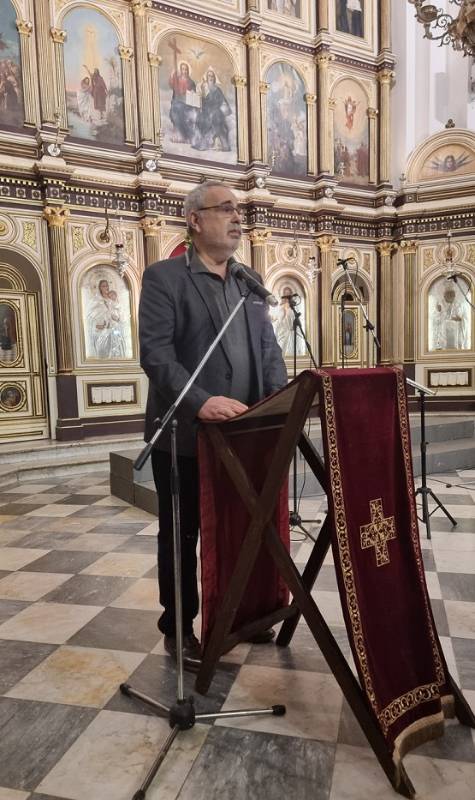
On the occasion of Savindan this year, Prof. Dr. Mihajlo Pantić, a university professor and storyteller, spoke. He spoke about Saint Sava in Serbian literature.
“Honorable fathers, ladies and gentlemen, respected Kotorans and all others, near and far, who respect Saint Sava, allow me to dedicate this address to the memory of the parish priest of Kotor and the archiepiscopal vicar of Boka Kotorska, the archpriest-staurophor Momčilo Krivokapić, my wise older interlocutor, to whom my former student, and today your professor Ljiljana Čolan, your fellow citizen Mr. Dragan Đurčić and I have paid our respects insufficiently, but from the heart, by editing the book “Father Momo”. You have honored me by inviting me to say what I have, and how much I know about Saint Sava, of course, from the perspective of my profession as an interpreter of literature. In the speech about Saint Sava, only the beginning is known, there is no end and there can be none. Each of us adds something to that speech, according to our own abilities, but undivided with the feeling of common belonging to the in which the saint's spirit floats. In other words, Saint Sava will be written about as long as the Serbian language, Serbian culture and its heritage, of which he is the Christian founder, legislator, protector and hostage. I will therefore try to somewhat diminish my unworthiness by attempting to present what Saint Sava means for Serbian literature, that is, what our writers thought about him and how they wrote about him. Before that, for the sake of reminder and additional illustrativeness, I will refer to the famous scholar Dimitrije Obolenski who, among other things, wrote in the book "Six Byzantine Portraits of Sava the Serbian": "A historian who tries to write a biography of this major figure of Serbian medieval history can rightly be frightened at the thought of the wide spectrum of Sava's activities. He will be discouraged by the numerous forms in which he appears: the governor of one region, then a monk on Mount Athos and then an archbishop; a diplomat to whom the king, his brother, entrusted delicate tasks; the founder of several monasteries and the organizer of their spiritual life and discipline; a legislator in the field of canon law; the first head of the Serbian Autocephalous Church; a traveler who visited all the places of pilgrimage in the eastern Mediterranean; the first true writer of his country; a personality whose posthumous cult spread throughout the entire Balkan Peninsula so that it was later partially accepted even by the Turkish population in that part of the world; an unrivaled patron saint of the Serbs; a semi-legendary figure who has survived to this day, celebrated in folk tales, poetry and song, a mythopoeic power undoubtedly unique in Eastern Europe; all this, and much more, must intimidate his biographer."...
Actor Đorđe Marković then recited Ljubomir Simović's verses: "The Pilgrimage of Saint Sava", and reminded of the high ethical and aesthetic criteria of the Saint Sava festival.
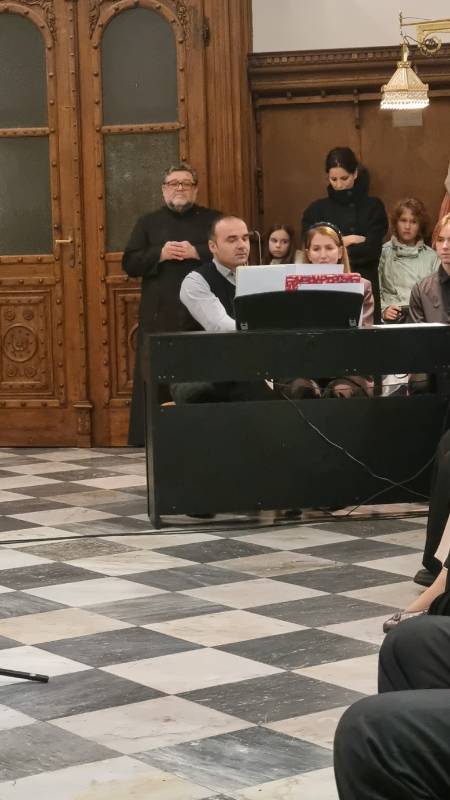
Professors and students of the "Vida Matijan" Music School always make a special contribution to the Saint Sava Academy. This was followed by the piano duo Ana Mihaljević and Dejan Krivokapić and the composition E. Morricone: Love theme ("Cinema Paradiso")
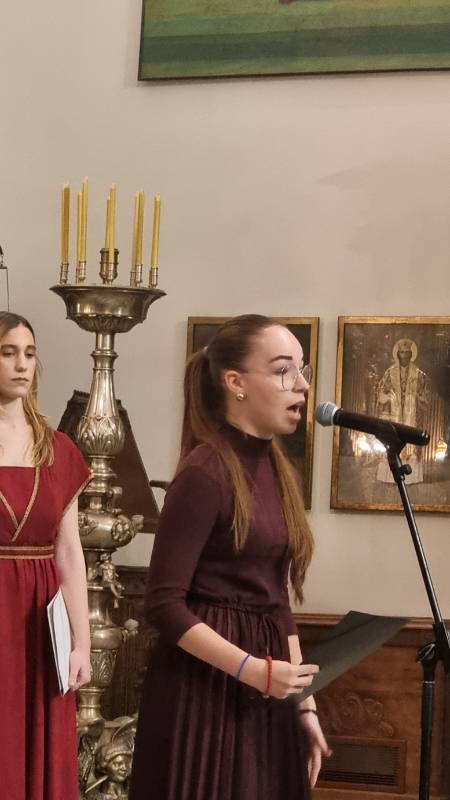
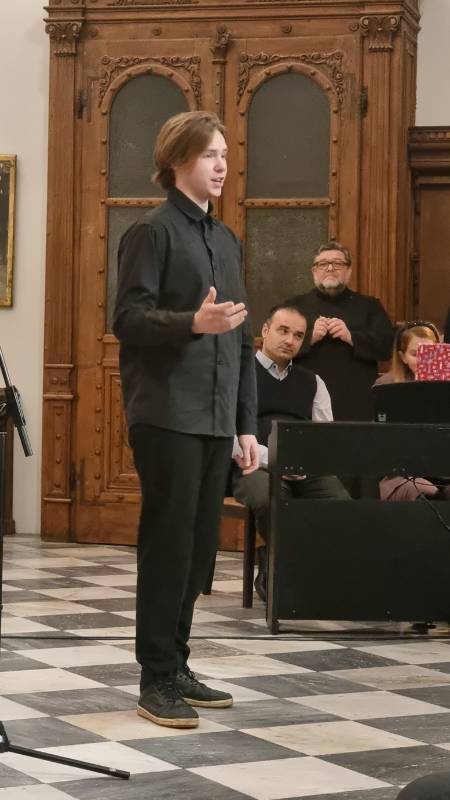
Michael Glinka's composition "Confession" was performed by Aleksandar Ermakov (baritone), the class of Prof. Alexandra Magud, with the piano collaboration of Ana Mihaljević, and then the High School student Marta Borović recited Vasko Pope's poem "Pastirstvo Sveti Sava".
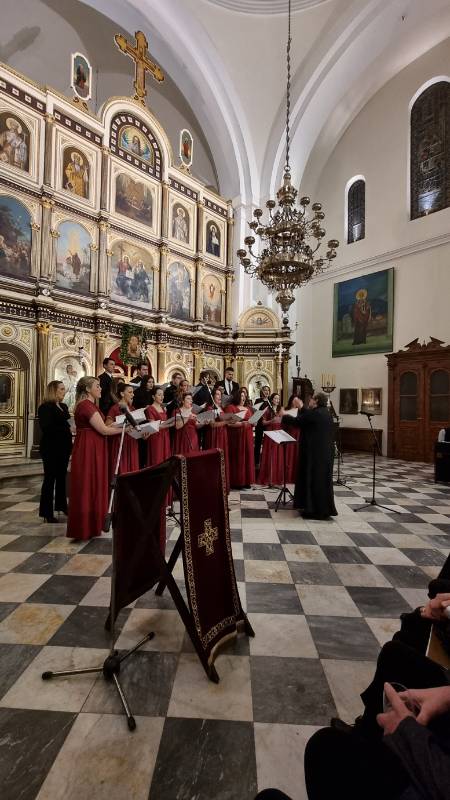
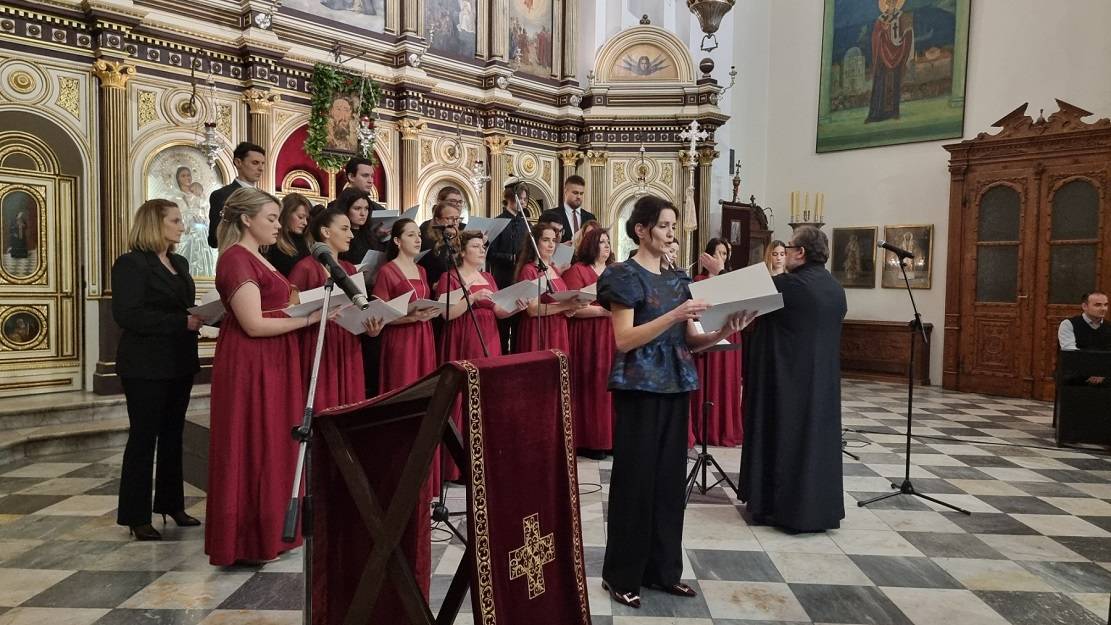
“The great prefect Nemanja did not name his youngest son Rastko without a reason. Rastko was born in Ras, and Vasko Kostić, in his book “Saint Sava in Boka”, talks about the etymology of the word ras and emphasizes its meaning: first-class, best, chosen, exalted, special... That name lives in our people and is celebrated in traditions and songs. When it is sung in Serbian, it is sung about Rastko Nemanjić and all other Serbian heroes “who live as long as the sun warms”, said Prof. Ljiljana Čolan, announcing the mixed choir of the SPD Unity, which performed two folk songs: “Zasp`o Janko” and “Tri devojke zbor zborile”.
The Academy ended with the Hymn to Saint Sava performed by the Mixed Choir of the SPD “Unity”.
May we all live in harmony, Saint Sava help you!
PHOTOS
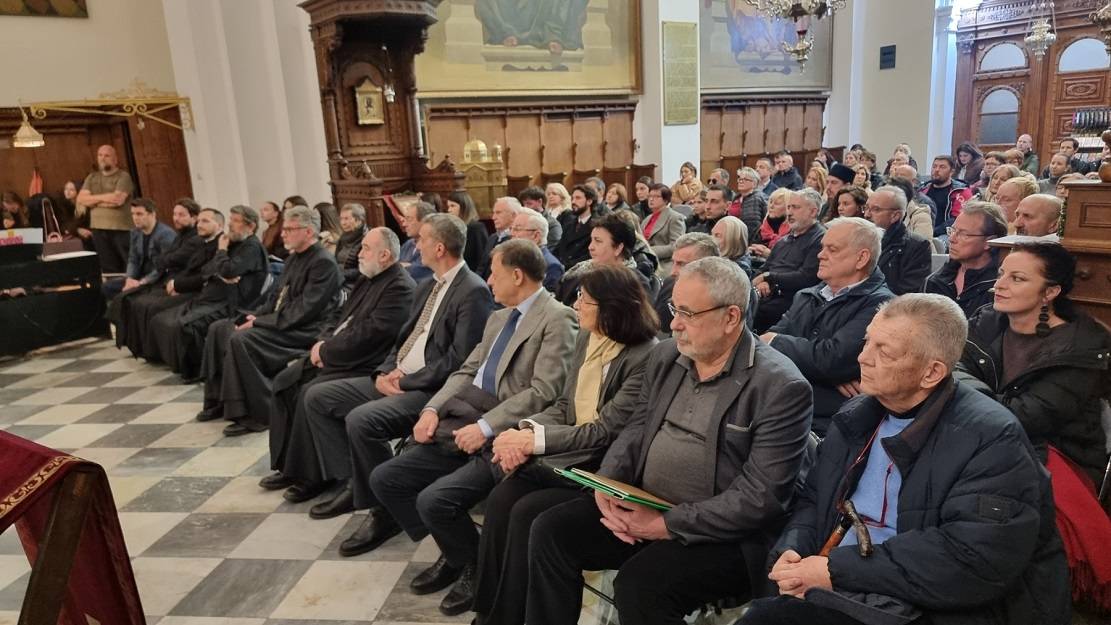
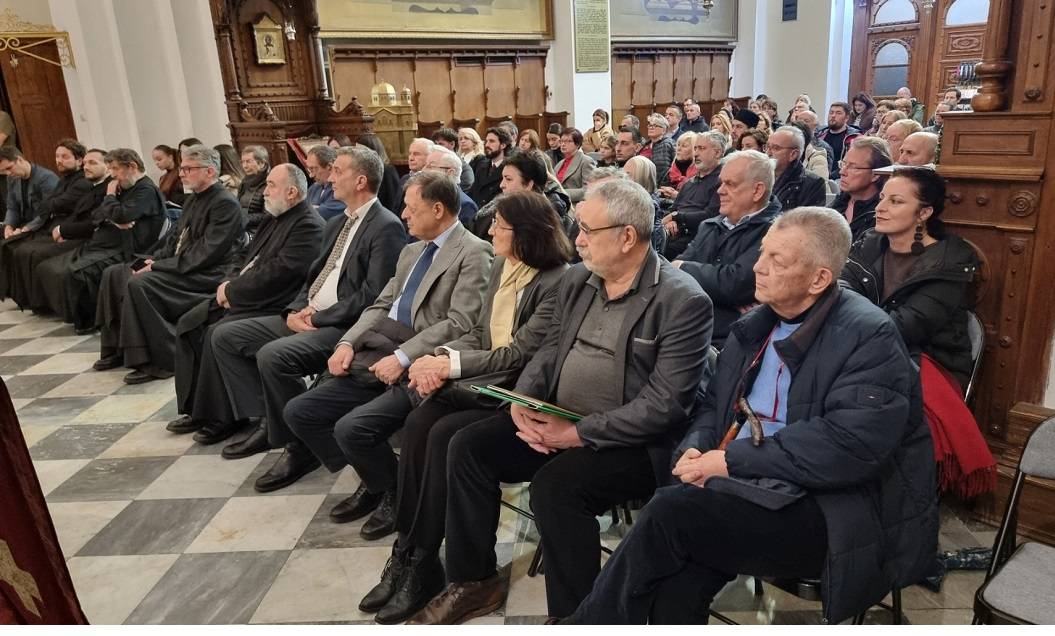
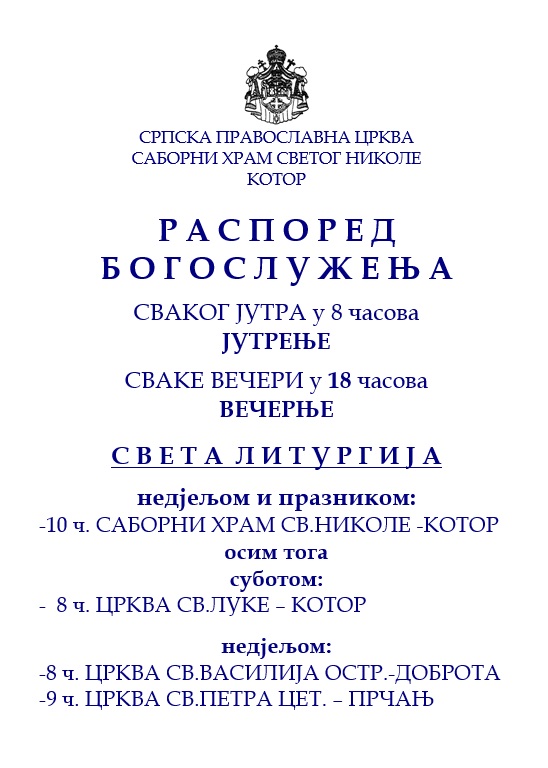
.png)
RELATED ARTICLES
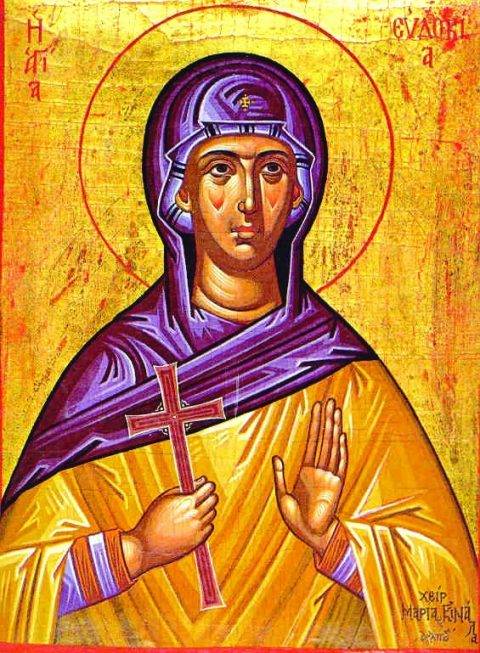
Today's news, March 14 The Venerable Martyr Eudokia
A rich debauchee, then a great penitent, a hermit, and finally a martyr, lived...
Patriarch Porfirije: Do not allow the Serbian Orthodox people to be expelled from Kosovo...
His Holiness Serbian Patriarch Porfirije sent a letter today to Pope Leo XIV,...
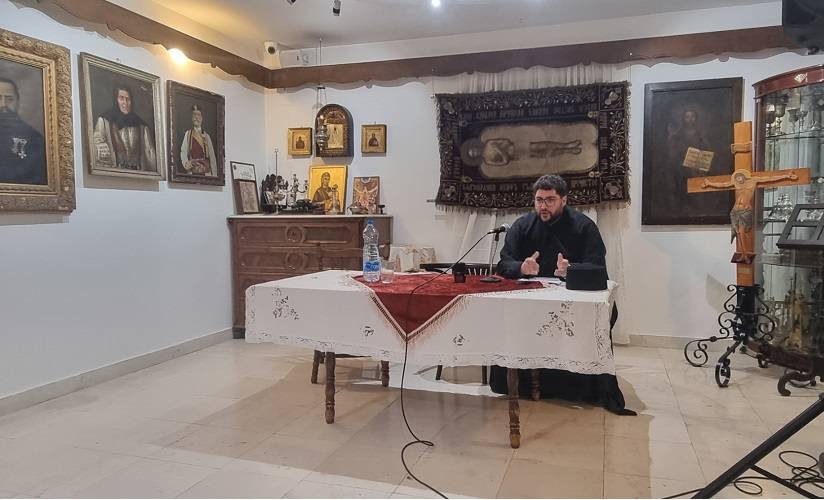
FATHER JOVICA VUKASOVIĆ HELD A LECTURE IN THE TREASURY OF THE Serbian Orthodox Church...
Yesterday, the parish priest of Morinj, Jovica Vukasović, held a lecture...