SUNDAY OF ORTHODOXNESS CELEBRATED LITURGICALLY IN THE CHURCH OF ST. NICHOLAS IN KOTOR
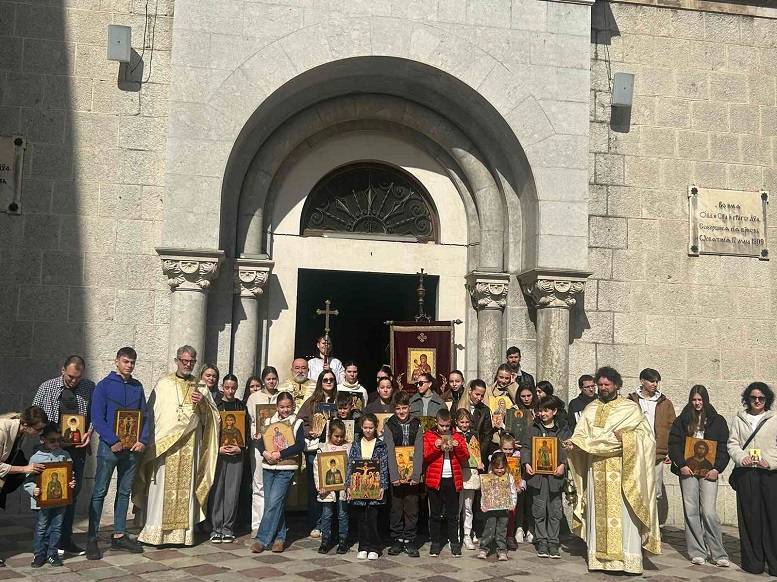
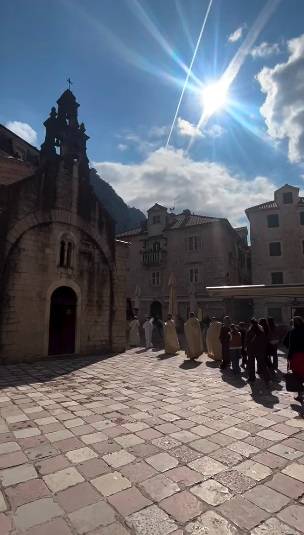
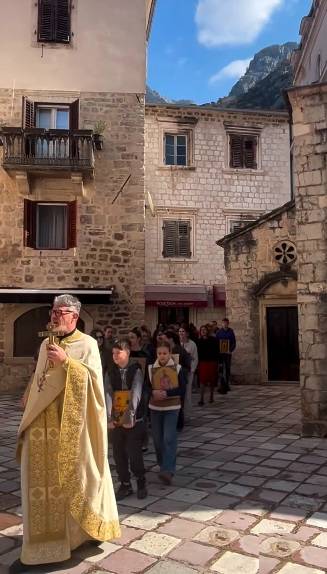
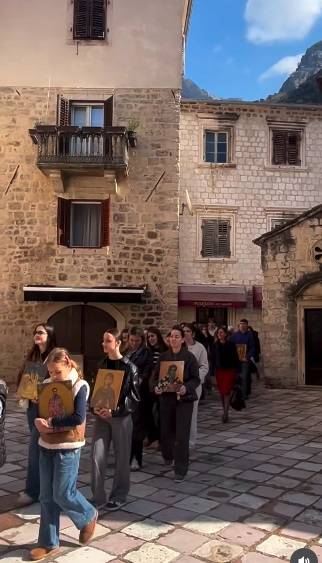
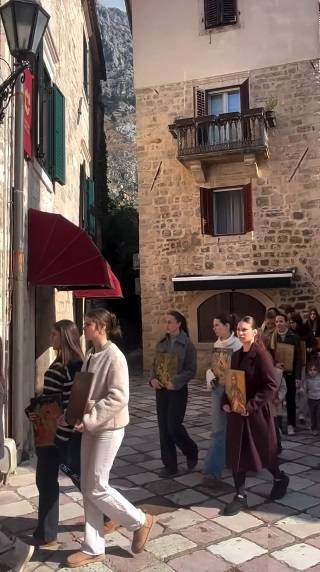
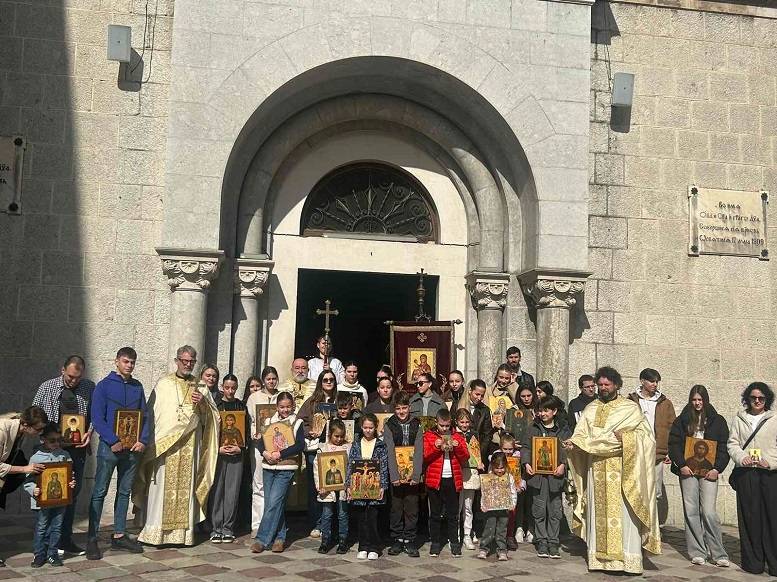
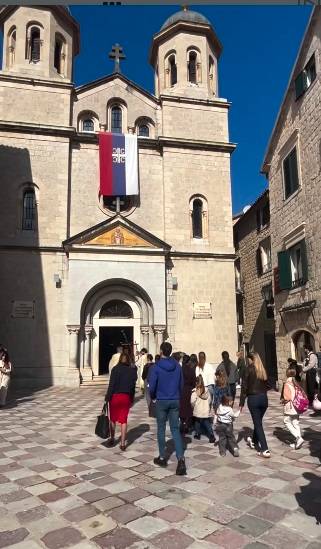
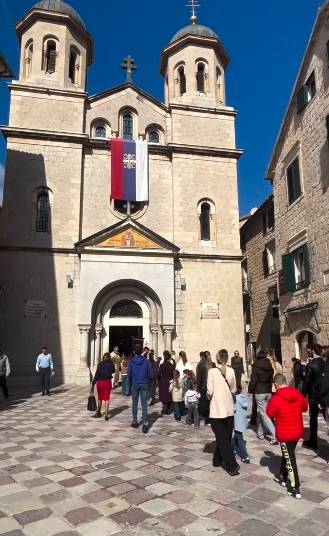
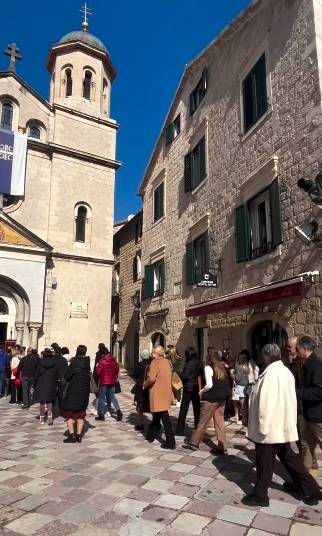
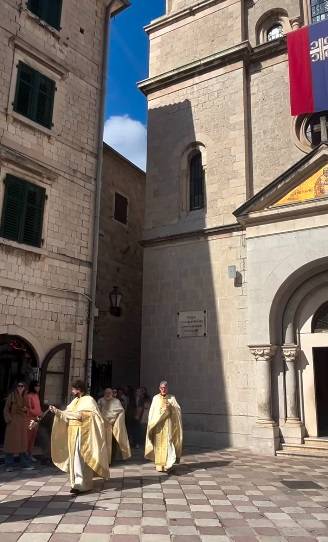
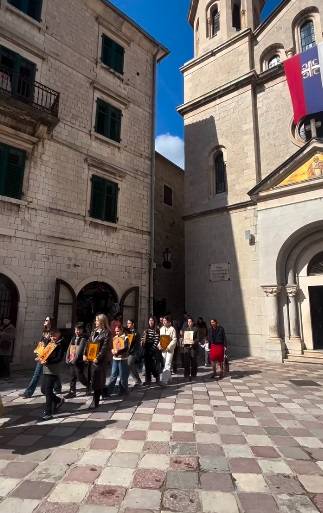
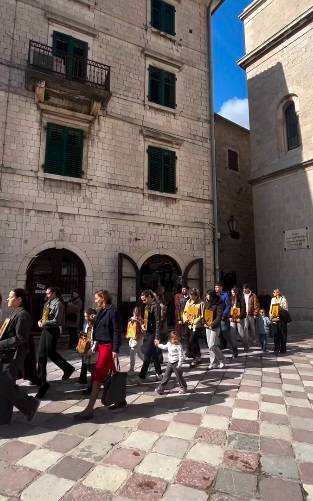
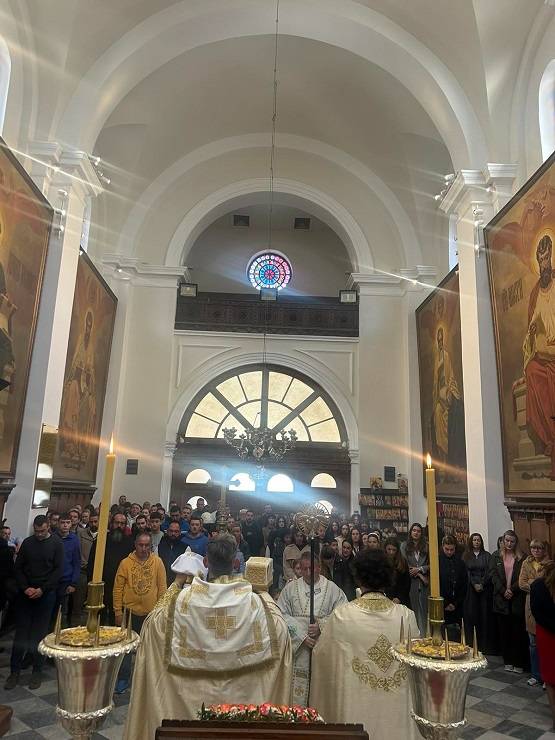
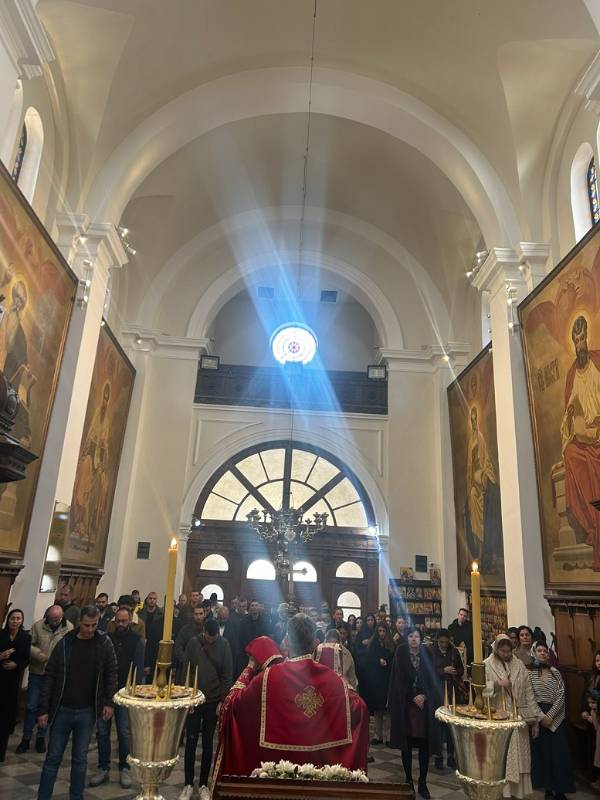
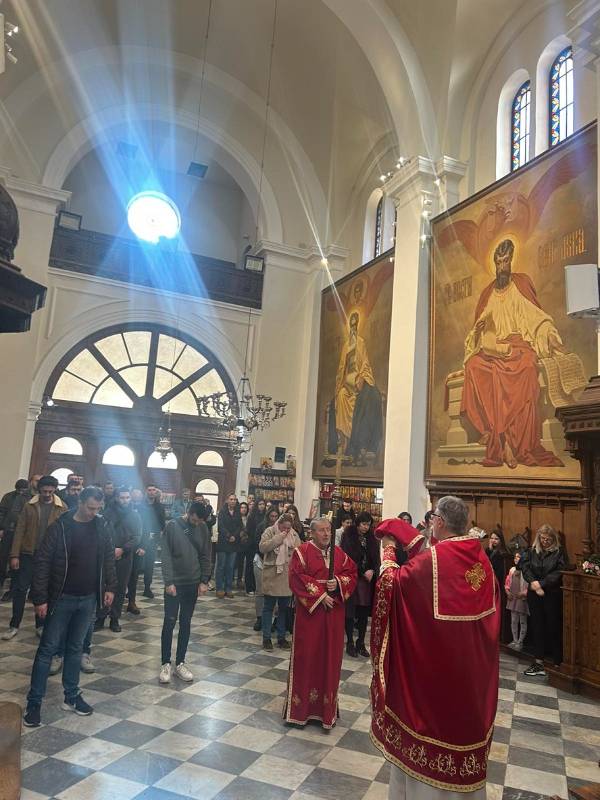
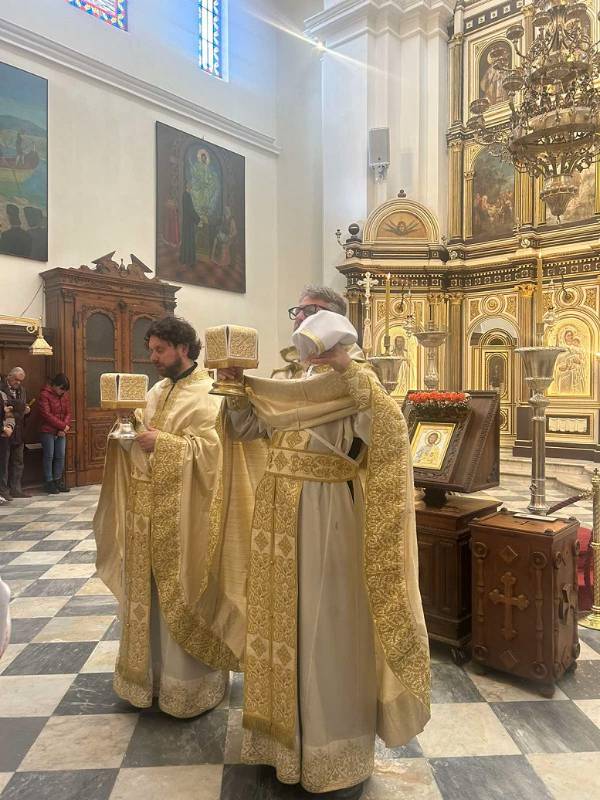
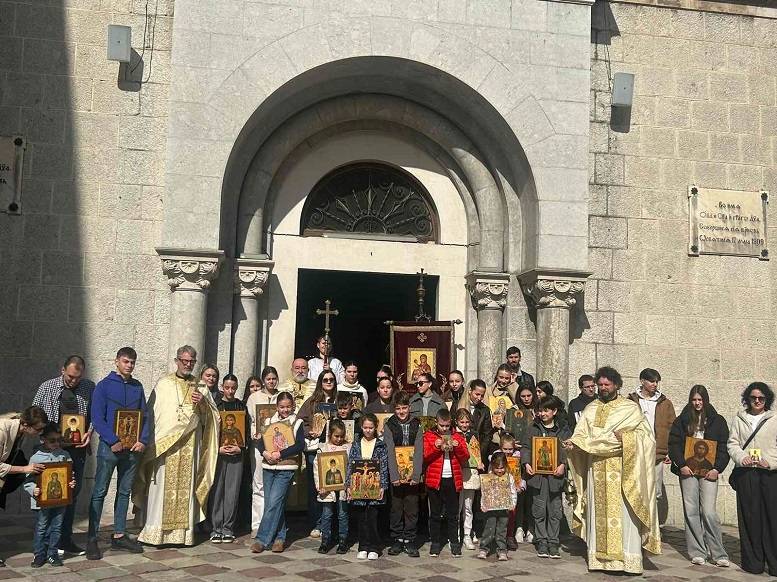
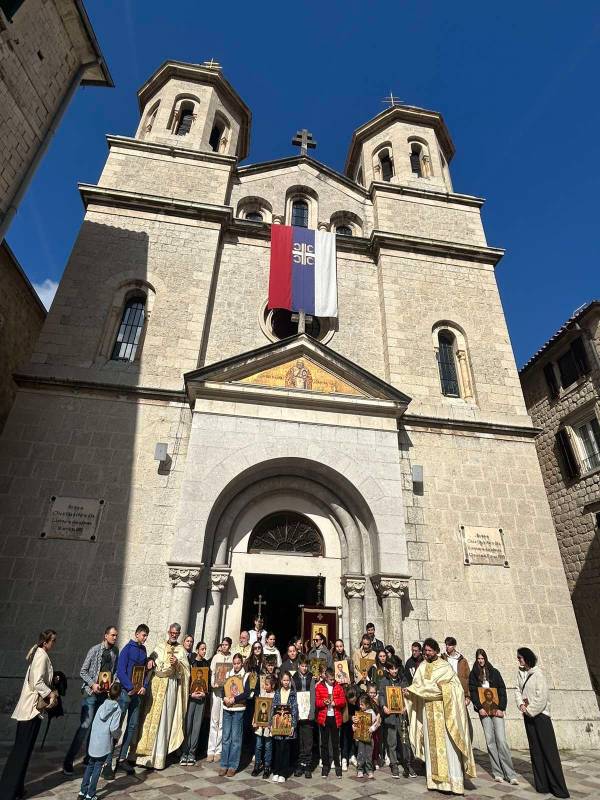
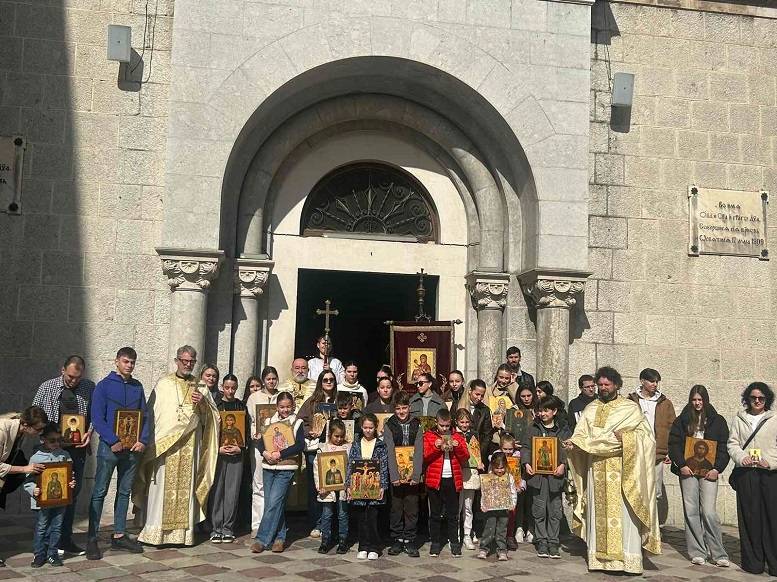
On the first Sunday of Lent - the Sunday of Orthodoxy, when we celebrate the victory over the iconoclastic heresy, during the holy liturgy in the Church of St. Nicholas in Kotor, a solemn procession with icons was held, which has been performed in all Orthodox churches since ancient times.
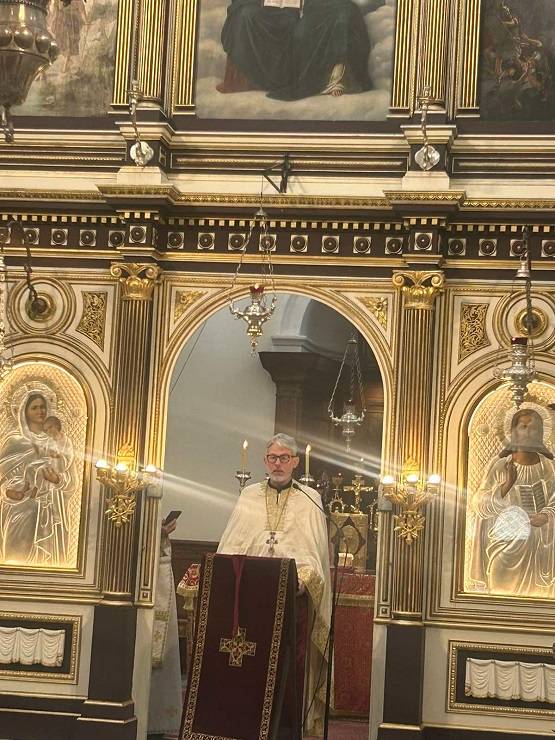
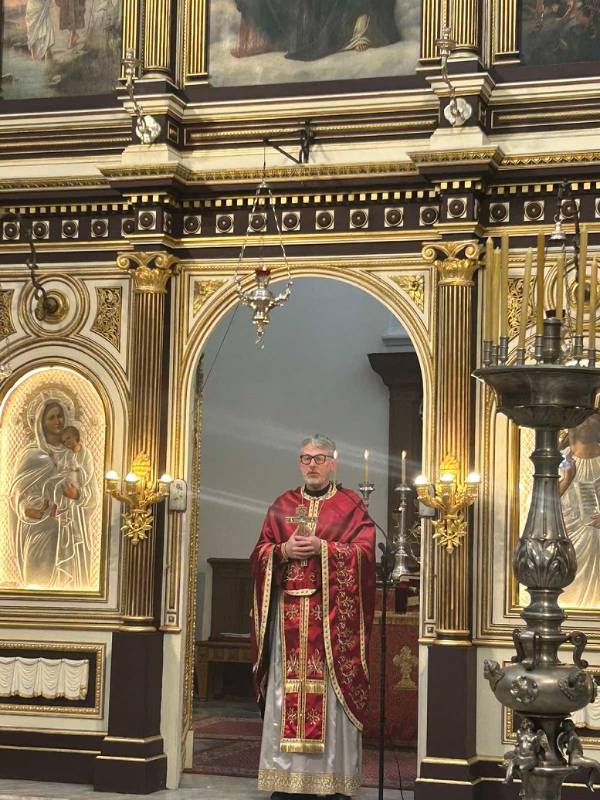
The episcopal vicar of Kotor-Tivat, the parish priest of Kotor, Archpriest-stavrophor Nemanja Krivokapić spoke, who at the beginning said that today, the first Sunday of Lent in the Sunday of Orthodoxy, we listen to the Holy Gospel, which tells us about the calling of the apostles.
“So, when the Lord Jesus Christ was here on earth and when he began to preach after his baptism, he gathered his disciples around him. What is even more important here is that we see the recognition by the apostles and the people that this was truly the Savior, the Messiah.
Namely, after the fall of Adam, God promised people that he would send a Savior, the Messiah. The Jewish chosen people had been waiting for the Messiah for centuries, announced throughout the Old Testament,” said Fr. Nemanja.
The coming of the Lord Jesus Christ is, he continued, the fulfillment of that prophecy, because Christ himself is precisely that Messiah, the Son of God, the One who came to save the world.
“However, not everyone immediately recognized the Lord, because they expected Him in a different way, as a powerful king who would rule on earth. When Christ came to earth, He came meek from humble beginnings, and from Galilee, a region that was not very appreciated and respected. When Christ came, the Jews were not sure that it was He. This gospel confirms that they recognized that He was the Messiah,” said Father Nemanja. "So, the fact is that the Lord Jesus Christ is the Son of God, that he is the Messiah who was awaited and who was preached in the Old Testament. And that Christ is the Messiah, and that he is God incarnate, has the most direct connection with this celebration of icons on this day. I have already said that it is called the Sunday of Orthodoxy, because we remember the events that took place in the 9th century, in a period that was difficult for the Church, because those people appeared who considered icons unworthy of respect, that is, that the veneration of icons was idolatry and that they should be thrown out, that the icons should be destroyed. It would not have been such a problem if Emperor Leo the Isaurian had not been of the same mind with them, so he introduced a law that persecuted icons. His son Constantine continued this. So it was a very difficult time for those who venerated icons. Those who defended them and venerated them suffered severe torture. Many even died defending the icons. Although the Seventh Ecumenical Council was held in 787 at the insistence of Empress Irene, which confirmed the Orthodox teaching that icons should be venerated, the persecution of icons and icon worshippers continued until 843, until Empress Theodora, who definitively put an end to all disputes in this regard and proclaimed the victory of Orthodoxy, that is, the victory of the Orthodox teaching on the veneration of icons. This happened during the first week of Lent, and then the Synod of Orthodoxy was solemnly read and a solemn procession went through Constantinople. From then on, to this day, icons are venerated in the most solemn way possible. That is why we also remember that event today, because this is now the first week of Lent,” said Father Nemanja.
The veneration of icons has the most direct connection with this mystery, one of the greatest mysteries, which is that the Lord Jesus Christ is God incarnate.
"Namely, in the Old Testament there was a prohibition against painting God, because no one had ever seen God, and that prohibition made perfect sense. If you haven't seen what God looks like, you can't draw Him, and that was respected in the Old Testament. In the New Testament, the greatest change occurs, and that is that God, the invisible God, the eternal almighty God, becomes man. He became incarnate and became man. He showed Himself to people as a man. Painting icons represents the painting of that incarnate God who came as a man here on earth. If God considered it worthy to appear as a man, that God, Who was always invisible and indescribable, if He considered it worthy to show Himself in the flesh of man, then we too, not only have the right to paint Him as such, but it is precisely a manifestation of our faith in the incarnation of the Lord God through the flesh of man," he said. is Fr. Nemanja.
He emphasizes that the glorification and respect of icons is precisely the respect for this truth.
“When we depict the Lord Jesus Christ, we depict that person who had both divine and human natures within himself. That is, God Himself incarnate, and thus we confess our faith in that mystery. If we venerate the icon of the Most Holy Theotokos, we venerate the truth that He was born through the Most Holy Theotokos, that He received flesh from her. That God who is without flesh in eternity, received flesh through the Theotokos. When we venerate the saints through icons, we venerate those who were glorified by that God, the same God who gave them holiness because of their God-pleasing life.
Saint John of Damascus says: “I will not cease to venerate creation, because God Himself, the Creator of creation, became creation for the sake of my salvation, and therefore I will always glorify God who became man for my sake.”
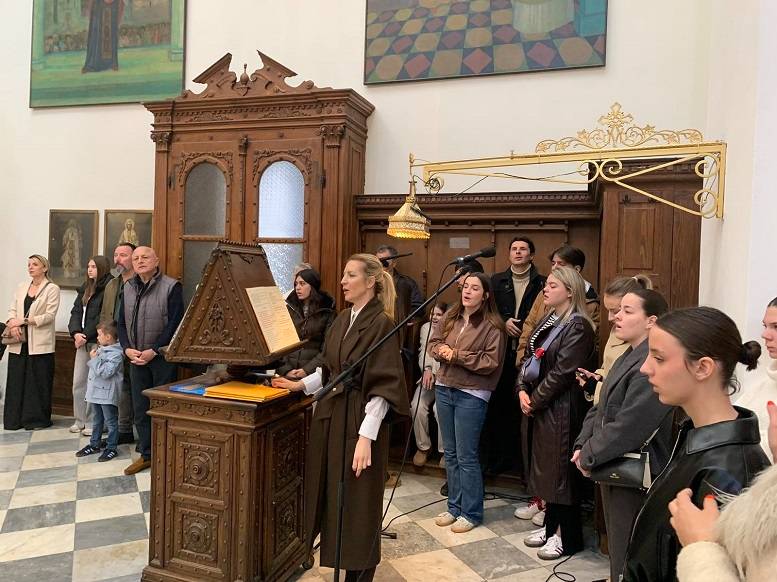
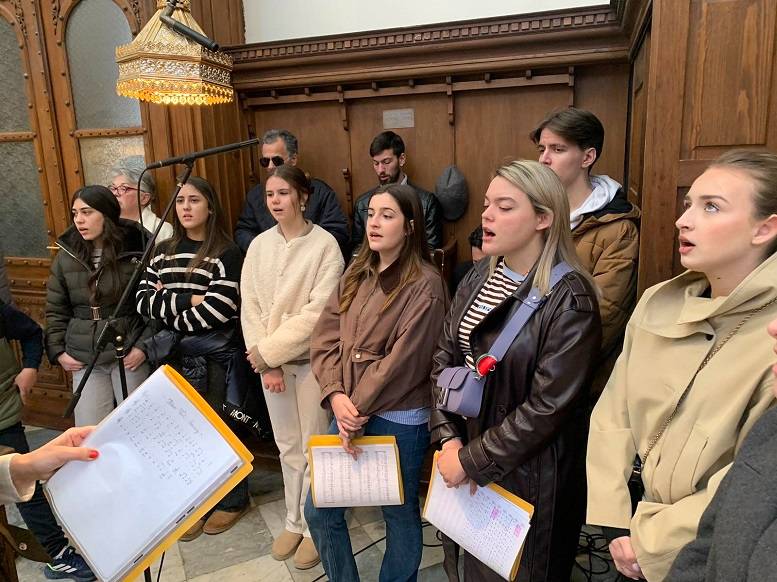
By celebrating this holiday, we join all Christians and the holy fathers who in that difficult time, and to this day, glorified icons and shouted: "This is the faith of the apostles, this is the faith of the fathers, this is the Orthodox faith, this faith strengthens the universe, amen", said Father Nemanja. The SPD Unity Youth Choir sang at the liturgy.
PHOTOS
.png)
RELATED ARTICLES
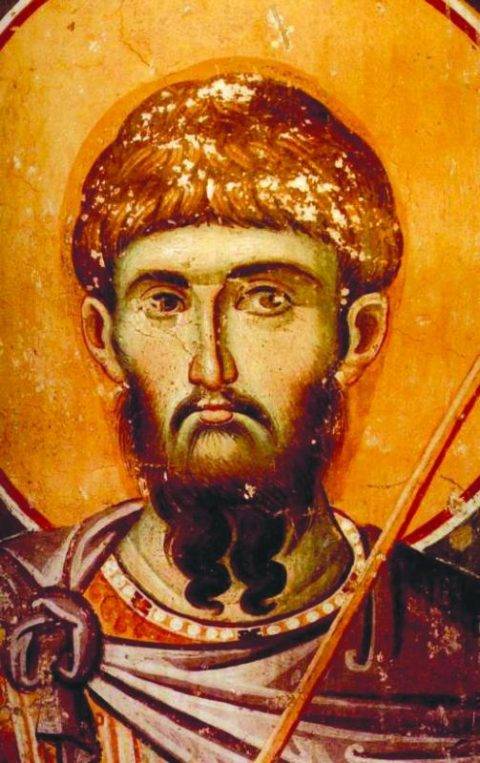
Calendar for March 2 Saint Great Martyr Theodore Tyrone
When Theodore joined the army (tyron means recruit), in the Marmarite regiment...
SUNDAY OF ORTHODOXNESS CELEBRATED LITURGICALLY IN THE CHURCH OF ST. NICHOLAS IN KOTOR
On the first Sunday of Lent - the Sunday of Orthodoxy, when we celebrate the...
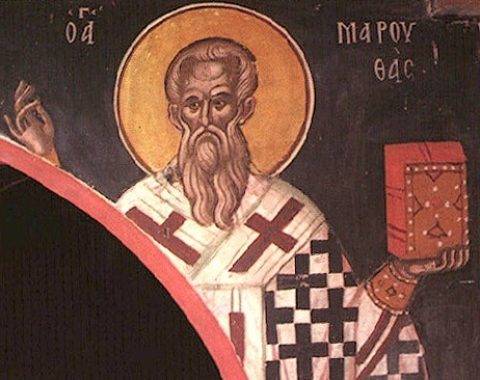
Calendar for March 1 Saint Marut
He was a bishop in the city of Tagrit in Mesopotamia. Emperor Theodosius the...