
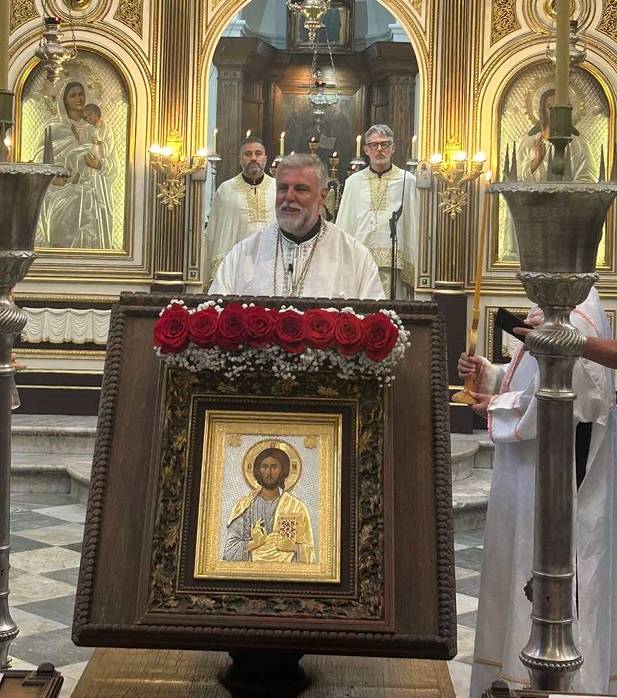
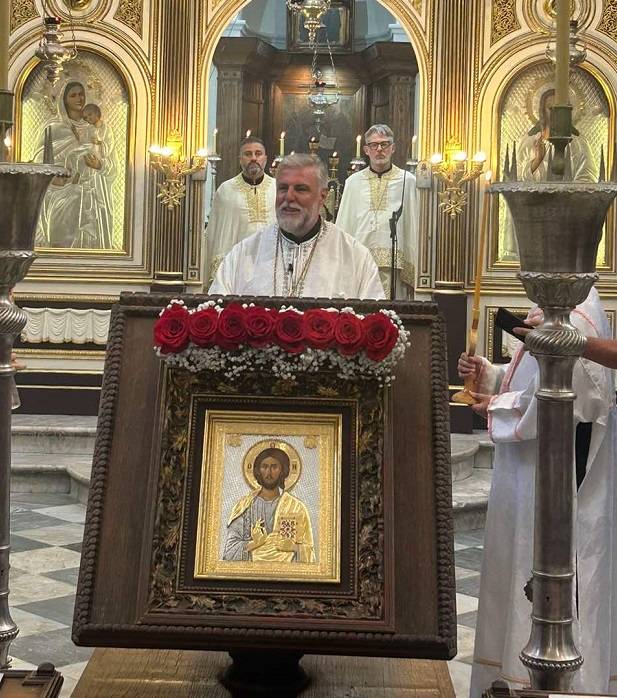
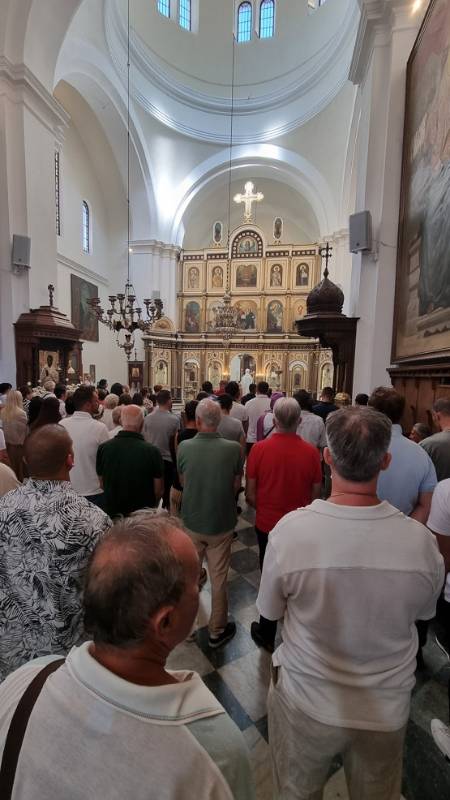
METROPOLITAN GREGORY OF GERMANY SERVED THE HOLY HISCHIEF LITURGY TODAY IN THE CHURCH OF ST. NICHOLAS IN KOTOR
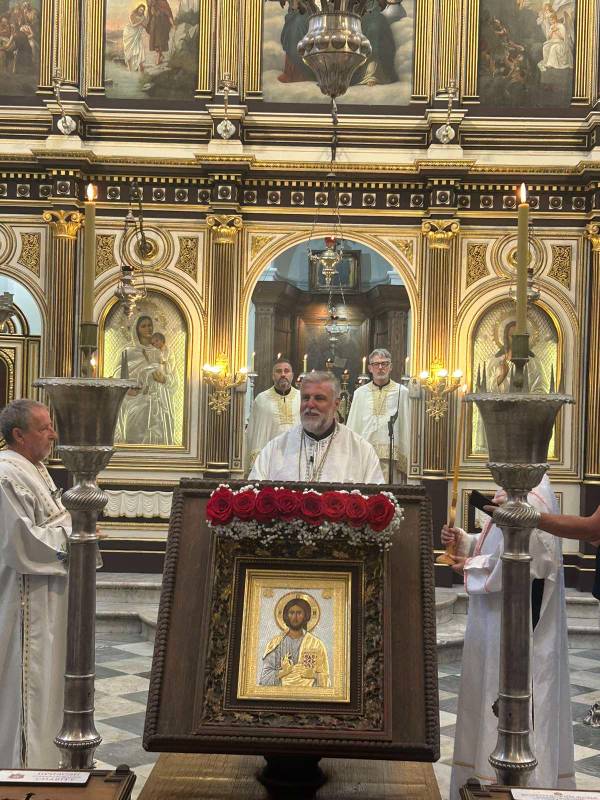
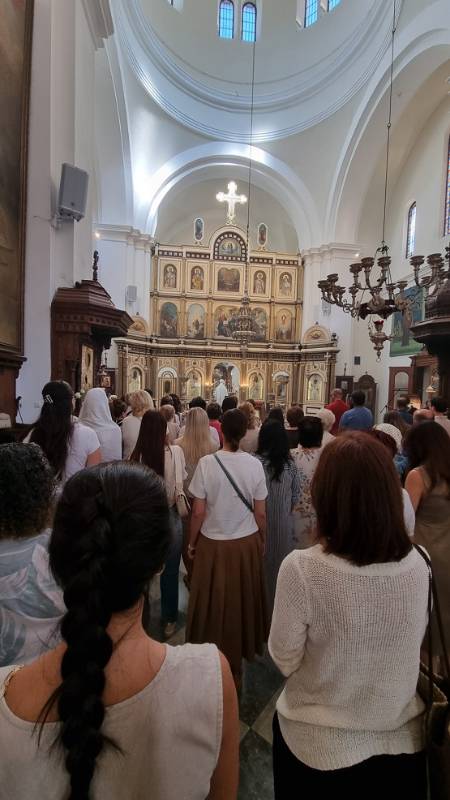
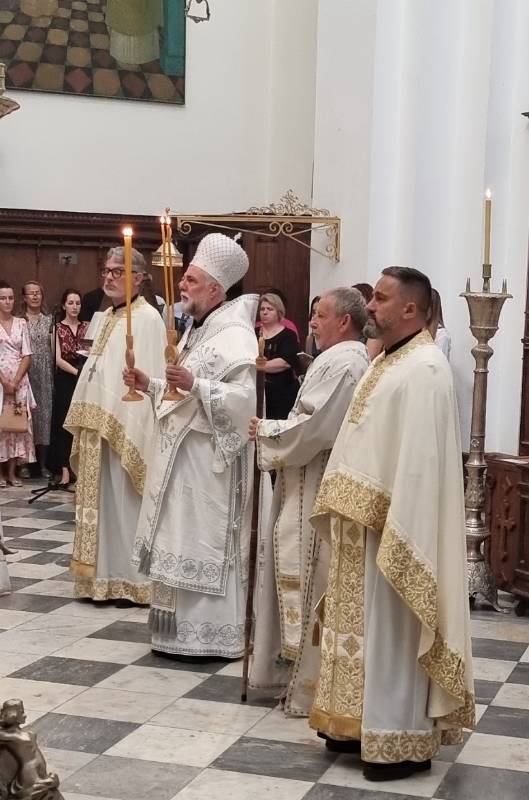
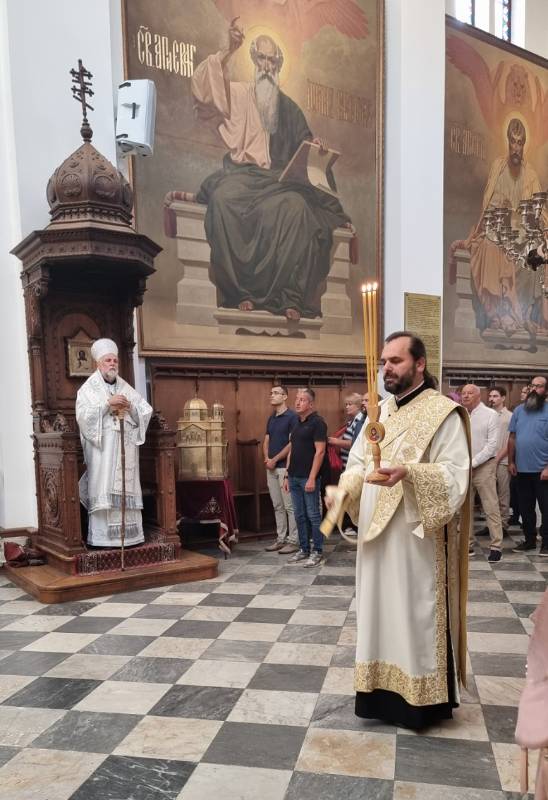
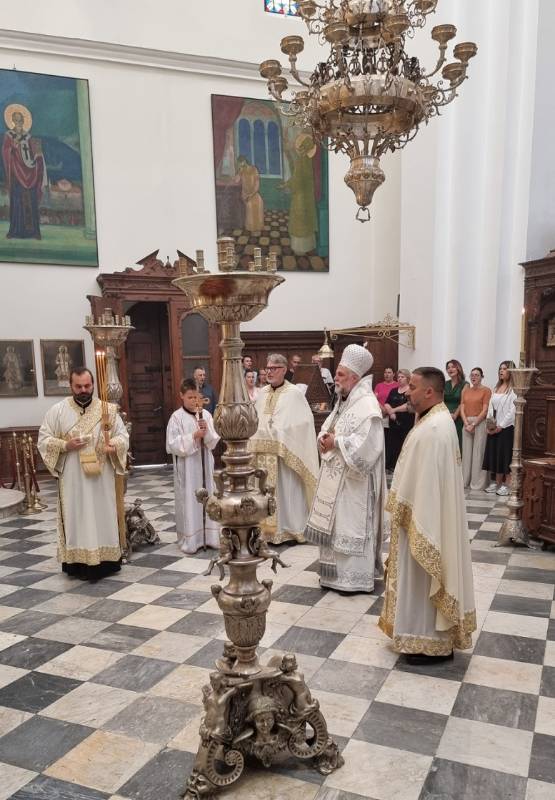
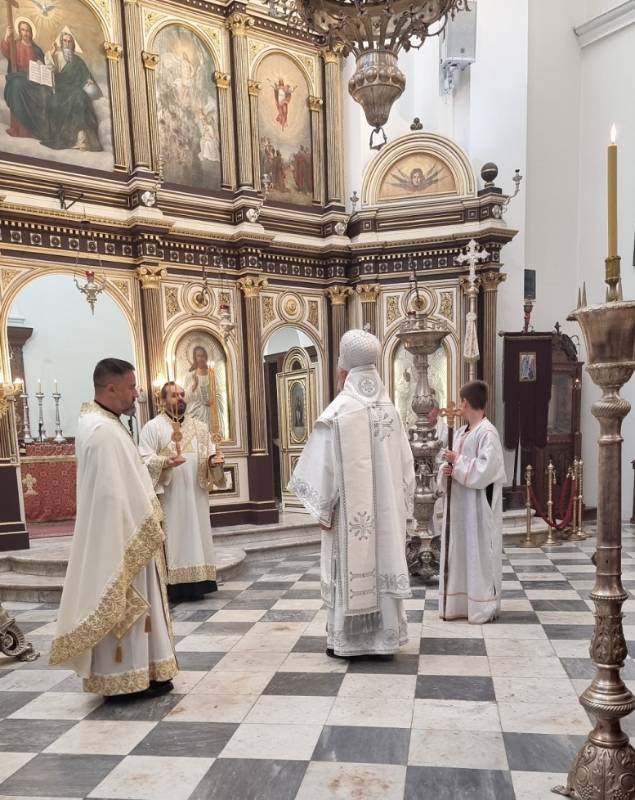
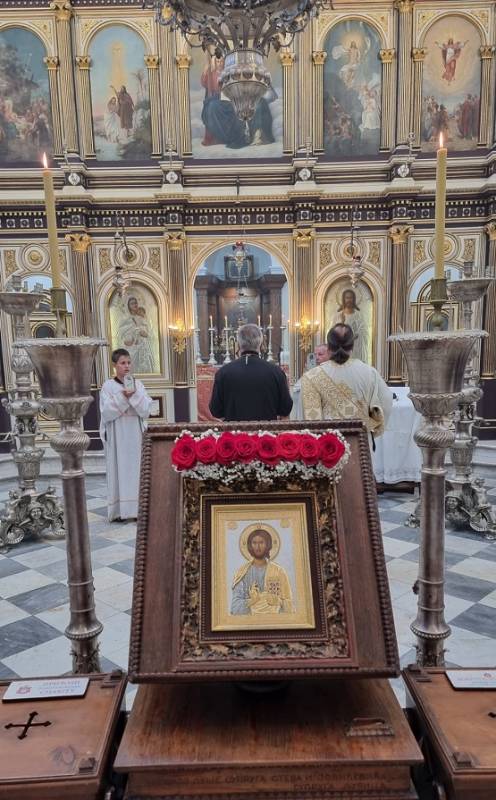
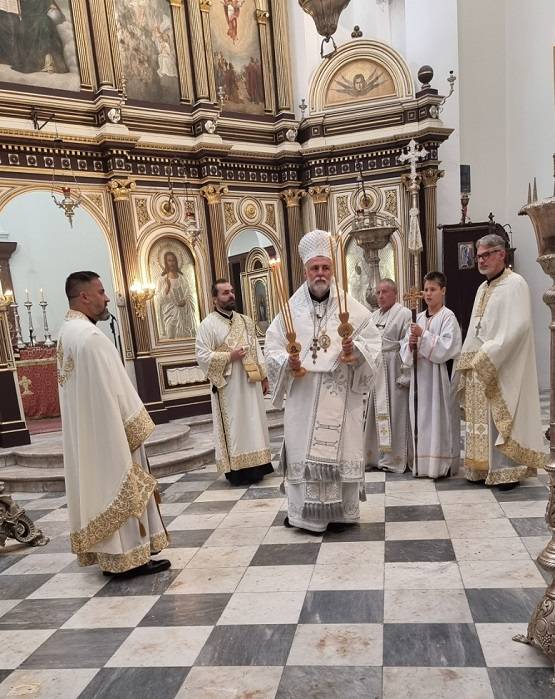
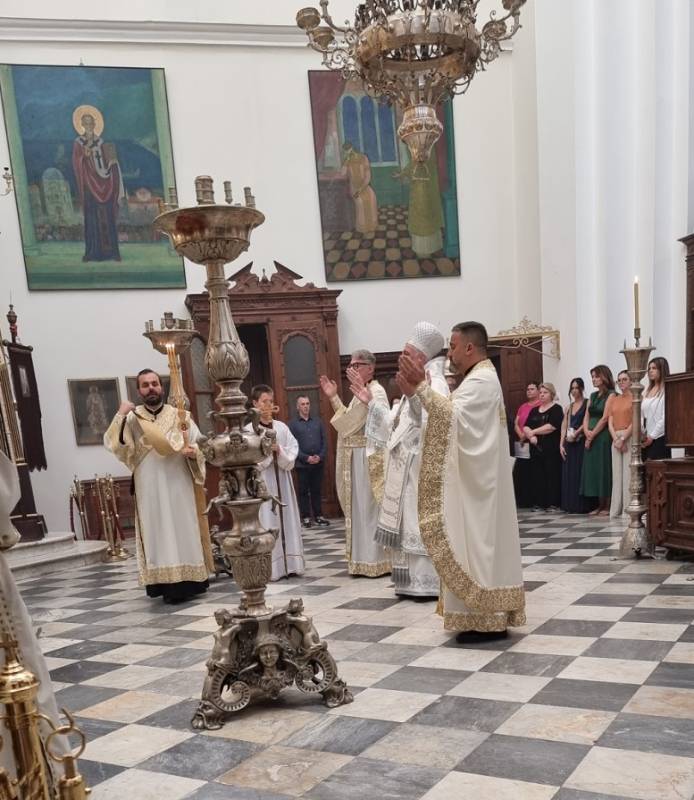
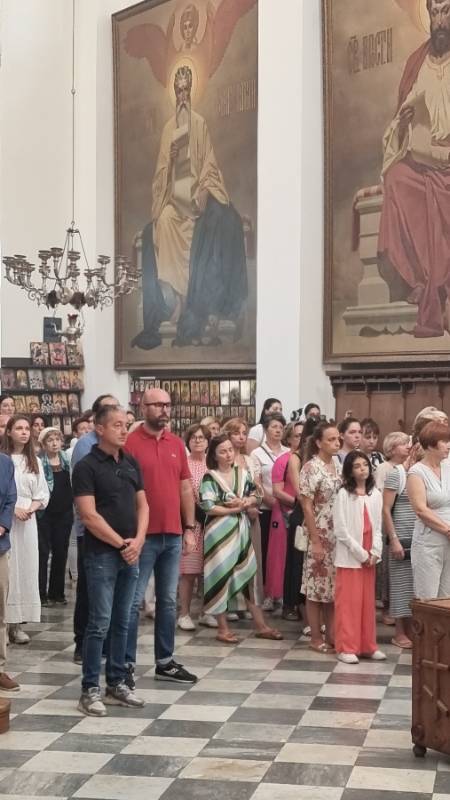
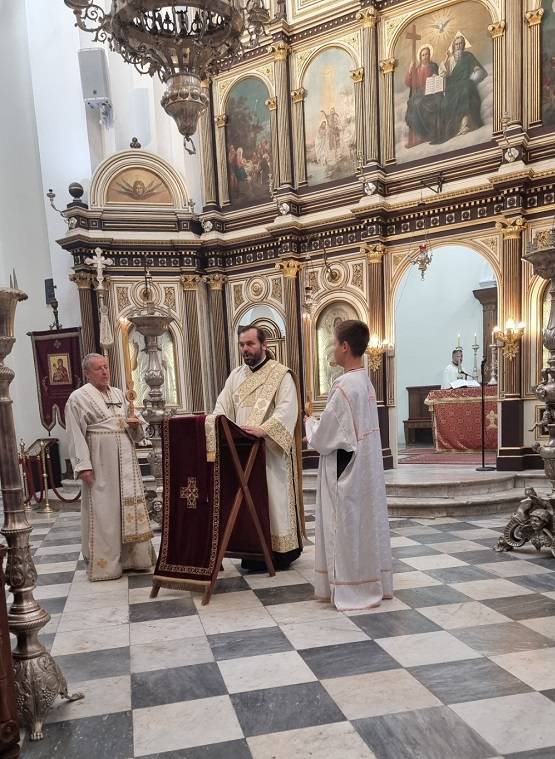
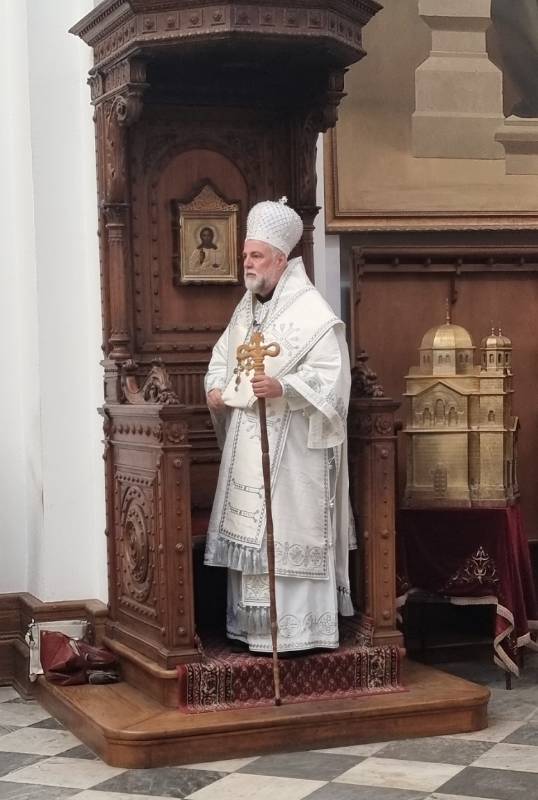
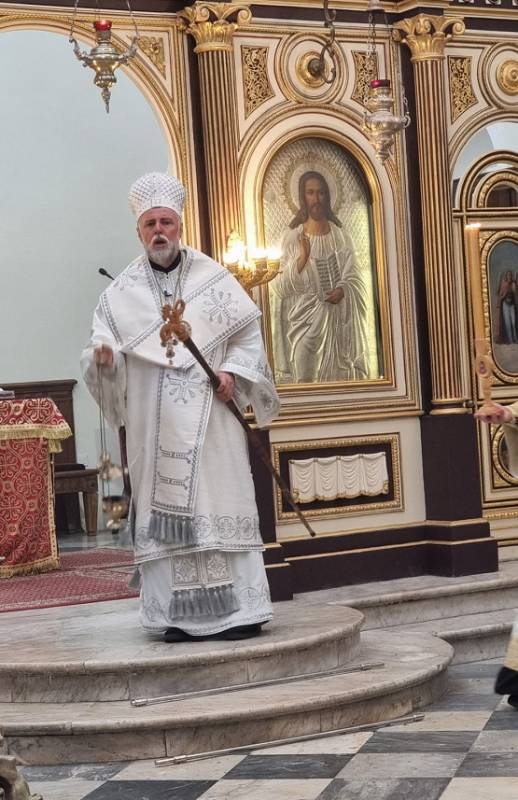
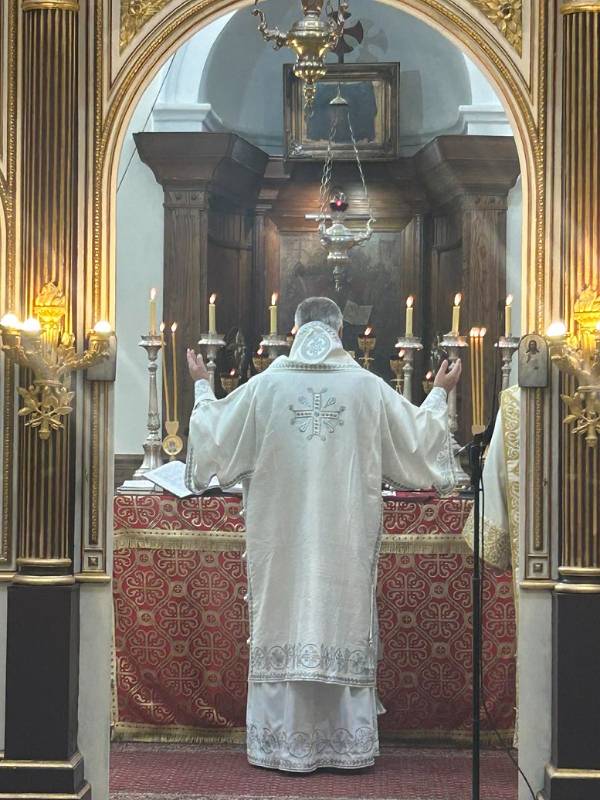
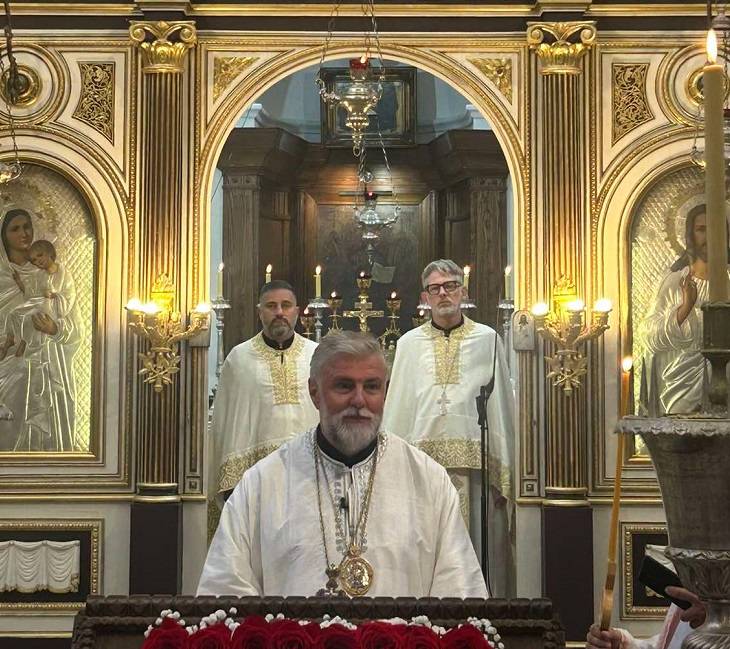
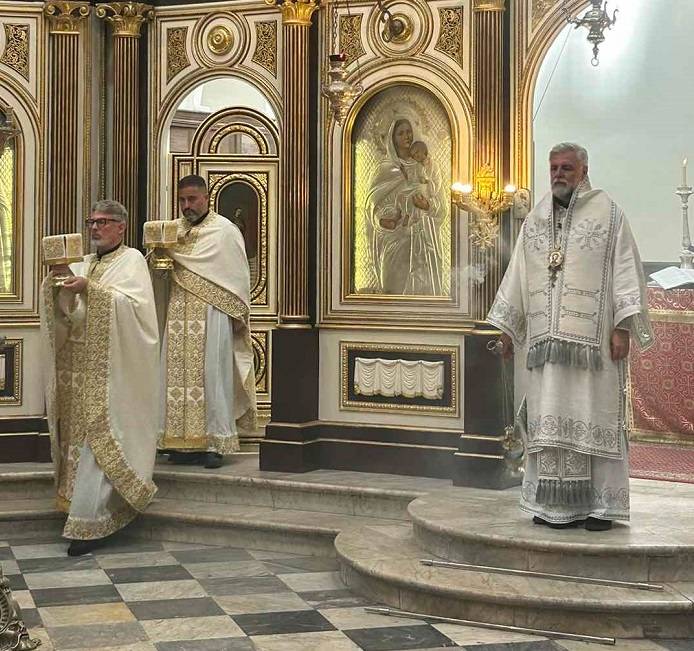
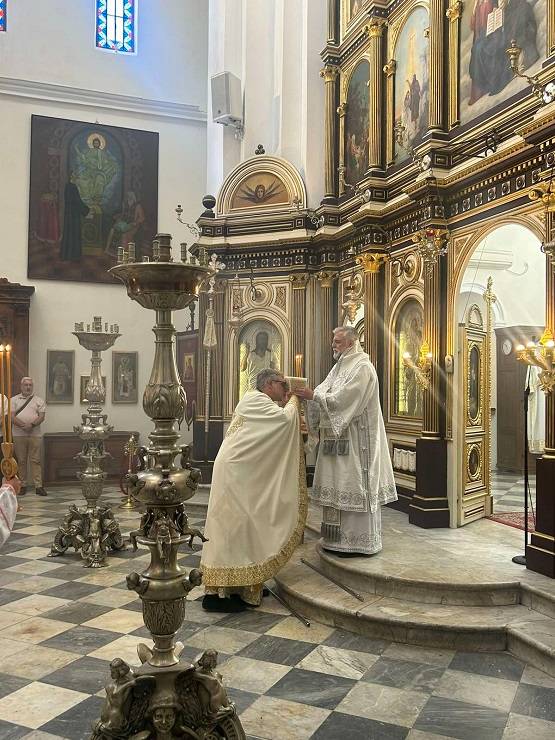
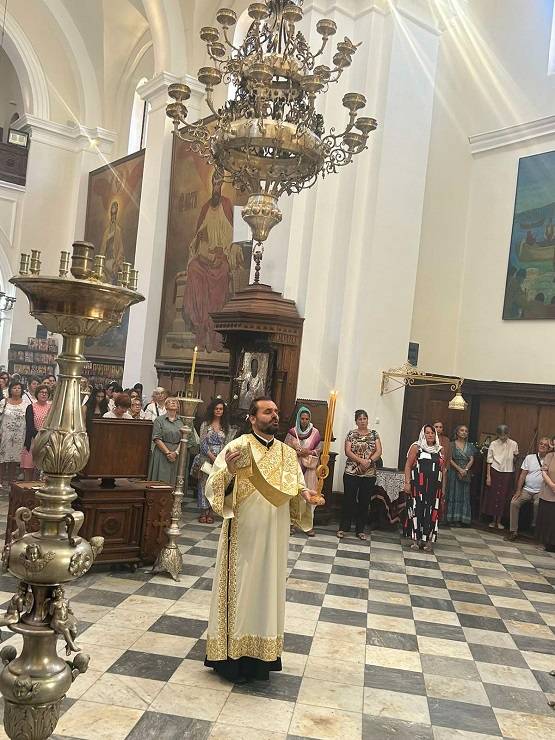
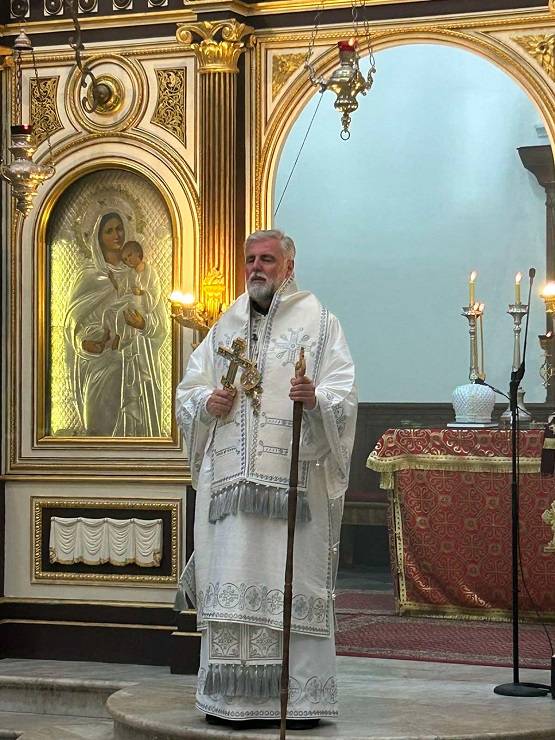
His Eminence, Archbishop of Düsseldorf-Berlin and Metropolitan of Germany Grigorije, served the Holy Hierarchical Liturgy today with the clergy in the Church of St. Nicholas in Kotor.
Today, as our Holy Church prayerfully celebrates the beginning of the Church New Year, Bishop Grigorije reminded us why we come to Church and that Jesus Christ does not seek glory for Himself, but to elevate others, to lift up those who have fallen…
“Dear brothers and sisters, we have heard a wonderful Gospel and of course it is often not entirely clear to us humans and that is why we research and examine the Scriptures and learn from those who were inspired by the Spirit of God.
Today, in this passage that we read, it says: “And he entered the synagogue on the Sabbath day, as was his custom.” And today, brothers and sisters, we came to Church on the Sunday day, as is his custom.
And there in the synagogue, they were reading the Scriptures. He was reading the Scriptures, Jesus of Nazareth, the Christ. And he read a word that says, “The Spirit of the Lord is upon me,” and when he had read that word, he told those who had gathered there that this was the one the Scriptures were talking about.
And they looked at him with amazement and said to themselves, “We know him; he is from Nazareth, from where we are. He is from the house of Joseph the carpenter.” But they did not know that he was the Christ, they did not recognize that he was the One on whom the Spirit of the Lord was.
And Christ means anointed. Anointed again means the One who is endowed with the gift of the Holy Spirit, filled with the life-giving Spirit. But this Anointed did not come for himself, to exalt himself, but he came for others, to lift up those who are sick, weak, poor, captive, and oppressed.
He does not seek His own glory and glory for Himself, but seeks to elevate others, to lift up those who have fallen and are weak, and that is why He says: “I proclaim to you the acceptable year of the Lord, as it is written in the Scriptures.”
And this referred to the Jubilee year. In the Old Testament and today among the Jewish people there is the so-called Jubilee year. It is the year when debts are forgiven.
When captives are released, when slaves are set free, and when the land rests, and He says I proclaim to you a favorable year, the year of the Lord, the Jubilee year, which is not a calendar year, but a Jubilee year when He is with us.
When He is with us, slaves are set free, sins are forgiven, our infirmities and our diseases are healed.
For us, brothers and sisters, the jubilee is always His presence, and today in this Church of ours we stand and read the Scriptures and we are also looking at each other and at that Scripture and we also do not believe, just as they did not believe then that it was Him, that it was the Messiah and Savior.
Why did they not believe? Because people cannot believe that God has clothed our flesh and that God wants and rests in each of us and that in that ordinary man, who stood before them, as they saw Him, there can be the Savior of the world.
So we too today, after 2,000 years and more, cannot believe that God can be in an ordinary man, but we are only looking for some unusual man, to live in a cave, to have a huge beard and hair or to talk strangely and behave strangely, and then maybe there is some charisma in him.
We cannot believe that charisma is in each of us, that the gift has been given to each of us, that we are all anointed, that we are all sealed with the gift of the Holy Spirit, from the day we were baptized.
That is what our weak faith is, brothers and sisters.
Therefore, when we are already standing in the Church, we need to strengthen our faith and, looking at the one next to us, as the ancient sages taught us, we always see Christ in him and see him as an icon of Christ. Let us not talk about “I know his father” or “I know what he is like”, “I know his origin and I know where he comes from”.
But let us say within ourselves, in our hearts, in our minds, “Christ is in him, he is an icon of Christ, if I hurt him, I will hurt Christ.” This is how Christ preaches the acceptable year to us.
If we lived like this and looked at each other like this, we would enjoy the acceptable year of the Lord and every one of our yesterdays would be tomorrow and every one of our yesterdays, which becomes tomorrow, would be God’s today in our hearts.
This is why, brothers and sisters, we go to Church. Not to stand there today and listen to the service, but to remind ourselves that we are icons of God, to remind ourselves of the pleasantness that the Lord brings us. A pleasantness that cannot be described in words.
That we are icons and images of God and that He, through Whom all things were created, and we ourselves, became one of us and that for our sake and for our salvation He suffered everything and death and that He rose again and sat down at the right hand of the Father and that He will come again to judge the living and the dead and His Kingdom will have no end.
Brothers and sisters, thank you very much for today's Divine Service, especially thank you to Father Nemanja who made it possible for me, together with his and our brother and the Metropolitan, to serve today's service and to learn this wonderful mystery that we are brothers and sisters and that we are icons of God.
Today is, by the way, in an unusual and dear way to me, the Church New Year, and for us, as we said, the calendar is not important, but what is important is that Christ is among us, and when Christ is among us then we should really believe in it. Not to stand like that and just stand and stand and then go out and do the same thing again. Again, anxiety and not joy because of what we have seen and experienced and that He is there, as He was that Sabbath day in the synagogue. Today He is just as there and always is there.
And one more thing, we are afraid of the closeness of God, we are afraid that God is in our brother and in our sister. We want Him to be far away, and Saint John Chrysostom says, quoting the prophet: “I am the God of closeness.” God is always there next to your heart, next to you, brother and sister. Do not think that He is somewhere in heaven or on some planet. He is here among us and sees everything and knows everything and suffers everything and endures everything and forgives everything, because, as the apostle says, “His love is merciful.”
"If we learned this, our lives and our walk through this world would be a pleasant Year of the Lord," said the Metropolitan, "His Eminence, Archbishop of Düsseldorf-Berlin and Metropolitan of Germany Grigorije, said in his speech.
PHOTOS
.png)
RELATED ARTICLES
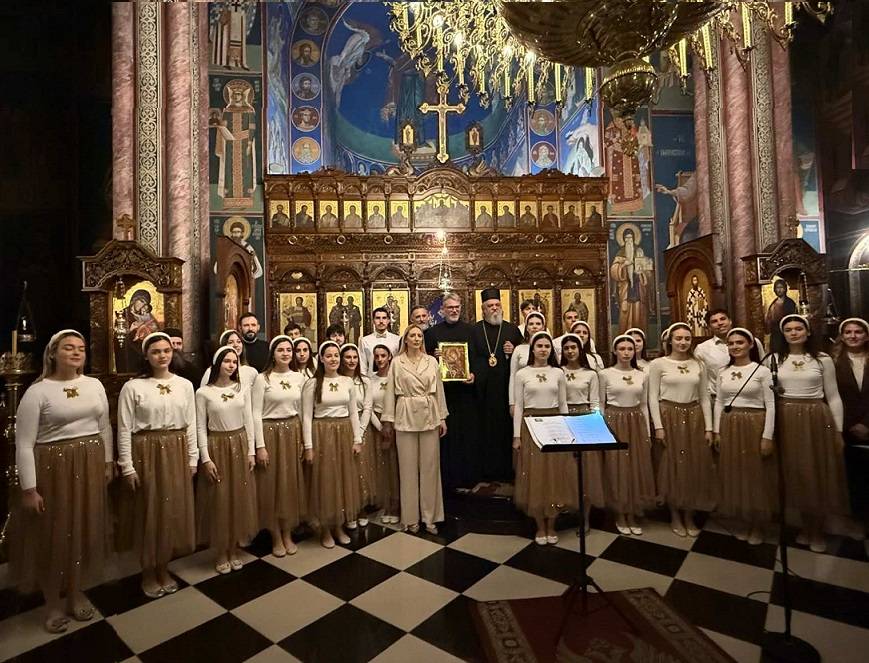
SPD JEDINSTVO KOTOR YOUTH CHOIR HELD A MAGNIFICENT CONCERT IN LJUBLJANA
As part of its visit to Slovenia and Italy, the SPD "Jedinstvo" youth choir...
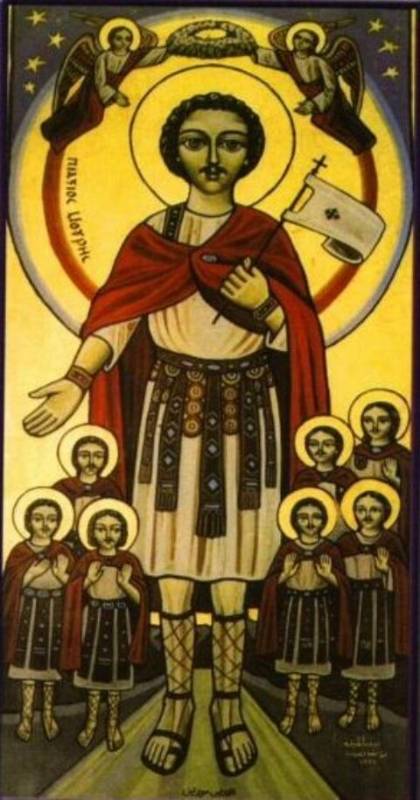
Calendar for March 7 Many Martyrs in Eugenia
During the reign of Emperor Arcadius, the relics of many martyrs of Christ were...
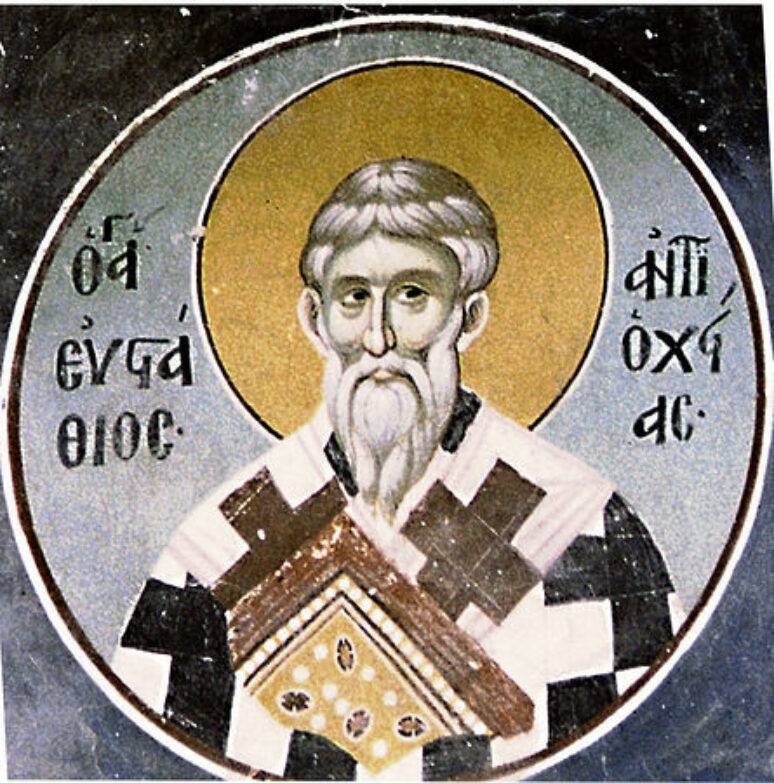
Calendar for March 6 Saint Eustathius
He was the Archbishop of Antioch. As a great restorer and protector of the...