Petar Lubarda: Lovćen – a centuries-old symbol of pride and freedom
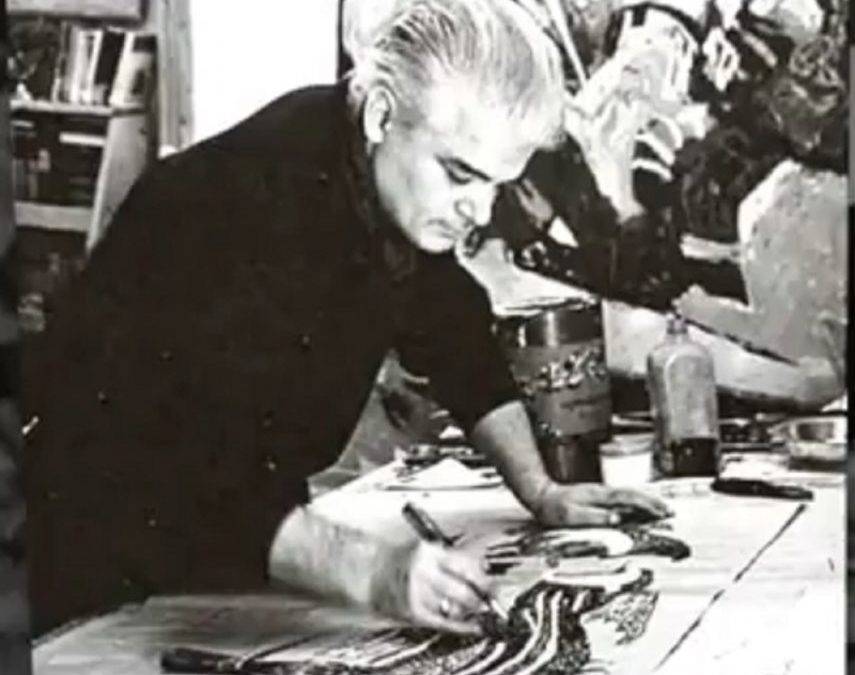
On this day, February 13, 1974, Petar Lubarda passed away in Belgrade.
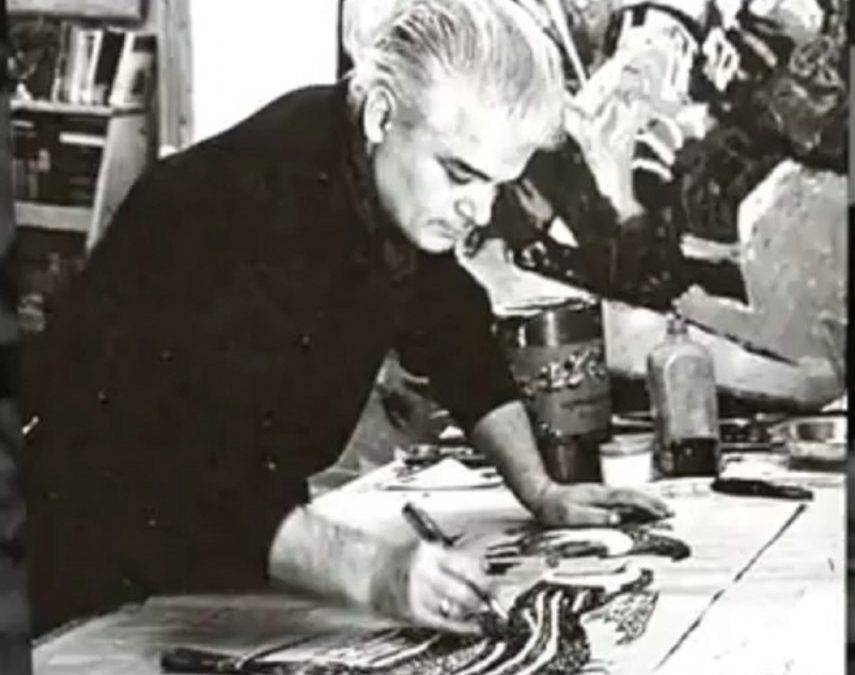
Painter and academician Petar Lubarda was one of our most important painters of the 20th century. He studied painting at the Art School in Belgrade and the Academy of Fine Arts in Paris. He painted landscapes of Montenegro and Paris, still lifes and figures, and also treated themes from the national epic. His most famous paintings are “Twilight of Lovćen”, “Guslar”, “Battle of Vučjem dol”, “Battle of Kosovo”…
He spent the war years, from 1941 to 1944, in captivity in camps in Germany and Italy. His father, a royal officer, was shot by partisans, which negatively affected his artistic career for years, because he was considered ideologically unreliable.
The great creator Petar Lubarda, who carried within himself, as his greatest inspiration, the magnificent and cruel nature and history of his homeland, was offered to join the Committee for the Construction of the Mausoleum on Lovćen. He firmly refused, responding with a letter published by Politika in 1969, which stated:
"I cannot accept membership in the Yugoslav Committee for the Construction of Njegoš's Mausoleum on Lovćen. I believe that my conscience as an artist does not allow me not to ask you to revoke the decision you have made. Lovćen is an age-old symbol of pride and freedom, of our old and recent history, which nature itself created as the most beautiful work of art. Njegoš, the great poet, felt this and wanted Lovćen to be his monument. And that is why I believe that his will should not be violated. I have great respect for the artist Meštrović and I propose that the monument be erected above the Summer Stage, at the place where Njegoš wrote his poetry…”
Then, in a postscript, he explains:
“The very top of Lovćen, the so-called Lovćen cap, has the shape of a pyramid, extraordinarily beautifully and delicately modeled, which in itself represents a natural monument-mausoleum, the kind that the ancient Egyptians built with great sacrifices, so I think it makes no sense to build a monument on a monument. Njegoš’s contemporaries had great respect for him and it is certain that they would have erected a magnificent monument to him even at that time. But, respecting his wish, they took him to the mountain to rest in untouched nature. And I think that for all present and future generations, this wish of the great poet should be above all tourist and material reasons. I speak this as an artist without any republican, political or other motives.”
One of the most significant and famous works of Petar Lubarda is the painting “Lovćen Dusk”.
Prepared by: Miomir Đurišić
PHOTOS
.png)
RELATED ARTICLES
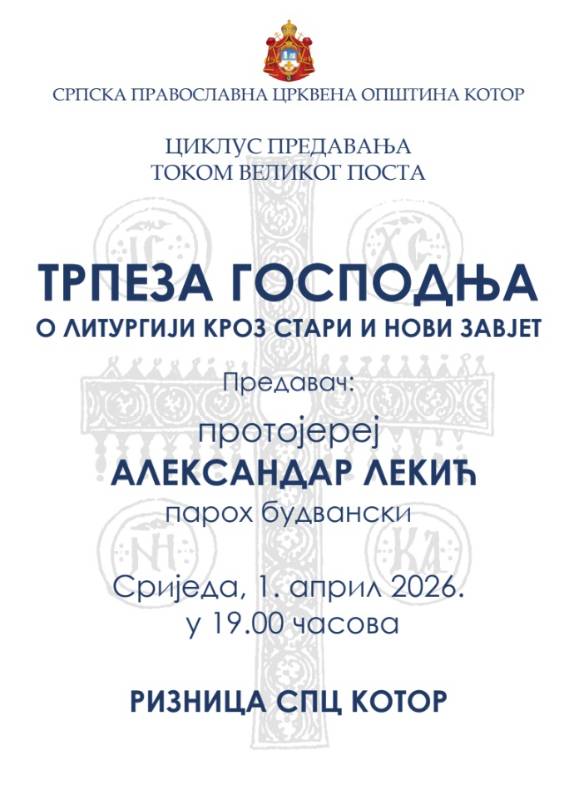
TREASURY OF SPC KOTOR - ON WEDNESDAY THE LECTURE OF PASTOR ALEXANDER LEKIĆ OF BUDVAN
As part of the cycle of lectures during Great Lent, in the Treasury of the...
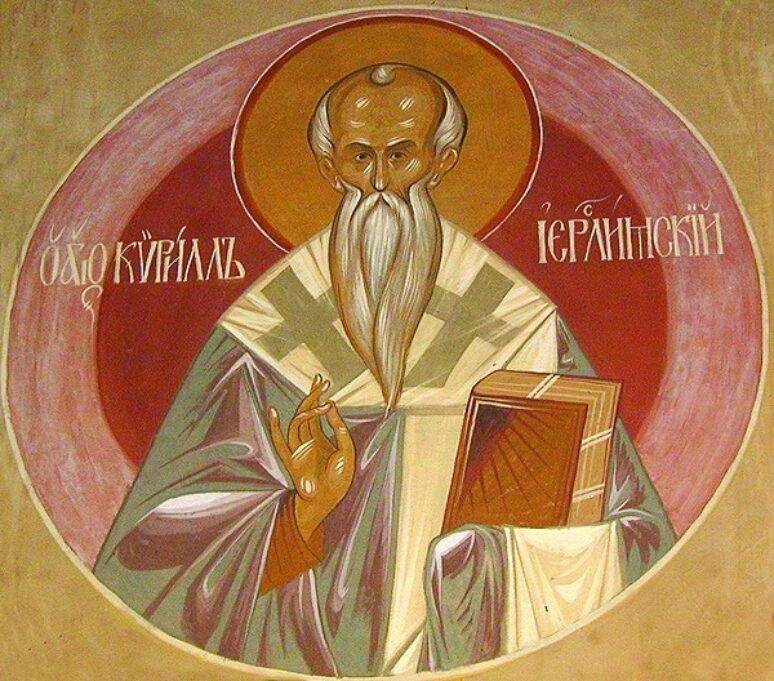
Calendar for March 31 Saint Cyril of Jerusalem
Born in Jerusalem in 315, and elected Patriarch of Jerusalem in 350. He was...
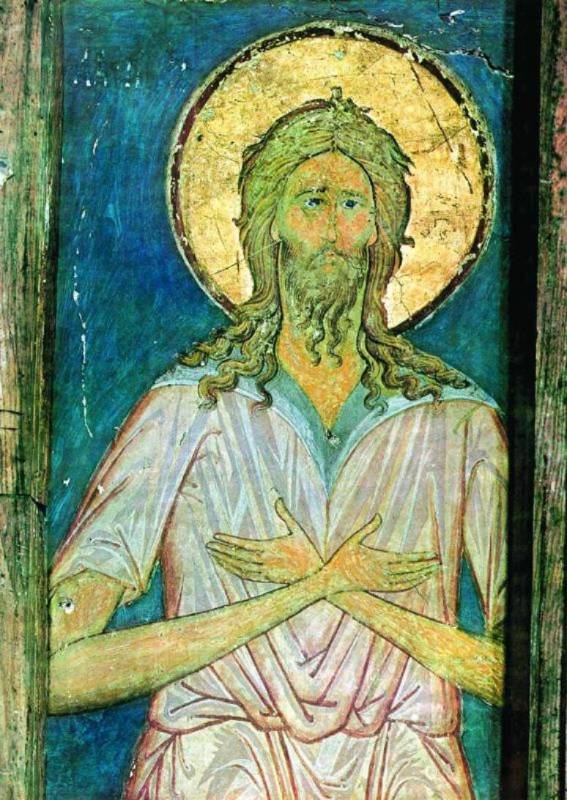
Calendar for March 30 Saint Alexius, Man of God
During the time of Emperor Honorius, there lived in Rome a high imperial...