FATHER NEMANJA KRIVOKAPIC: LET US NOT TRUST IN JUSTICE BUT IN THE MERCY OF GOD
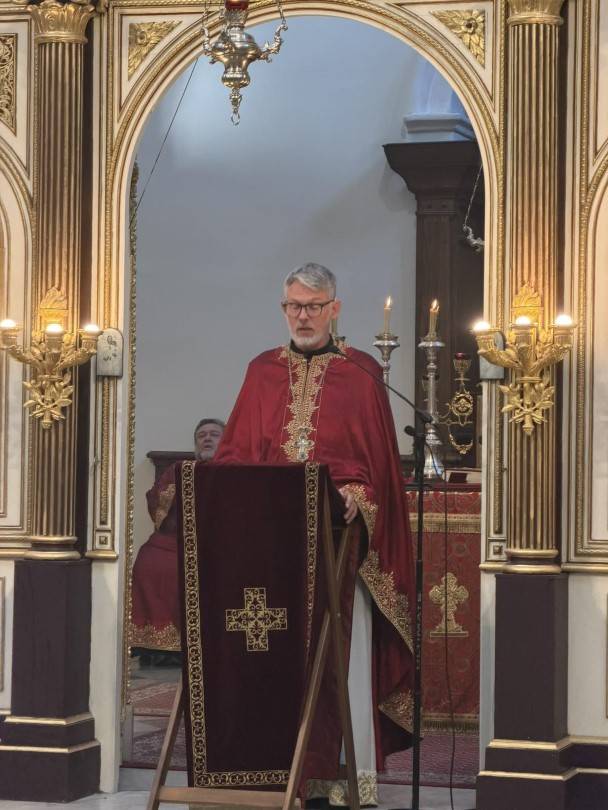
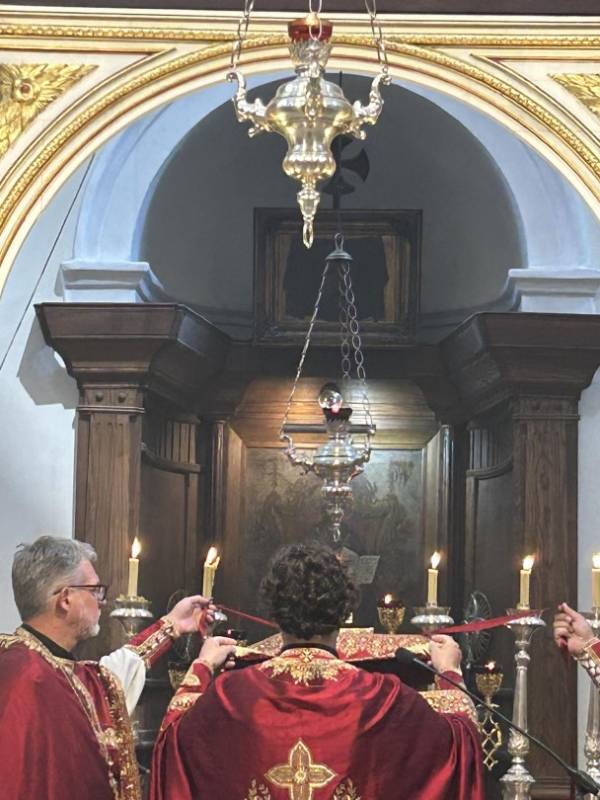
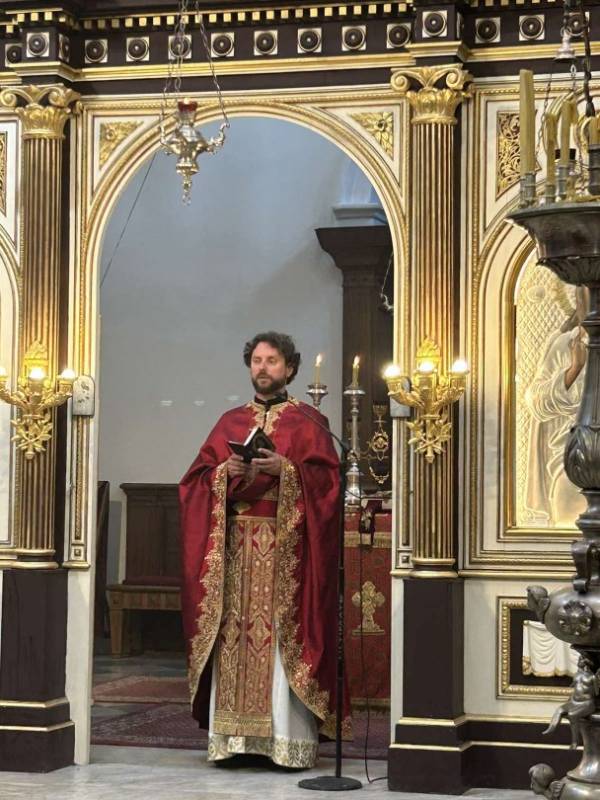
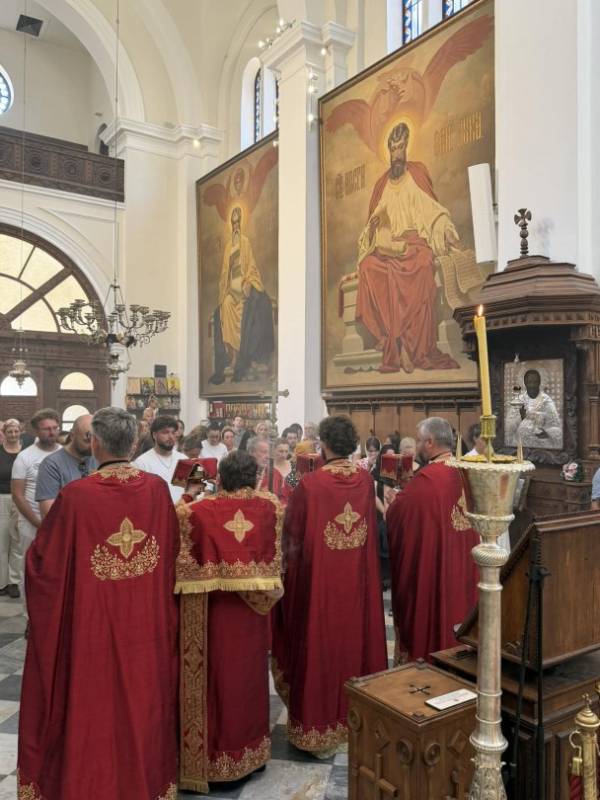
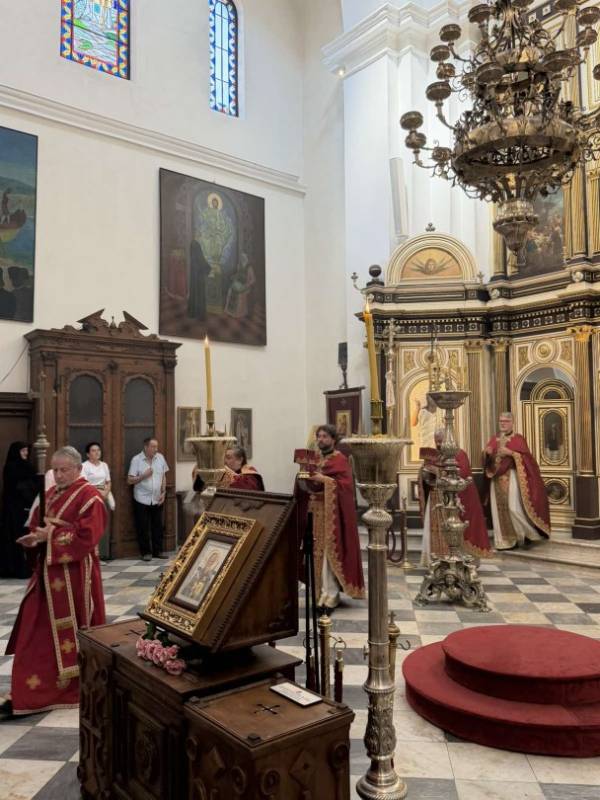
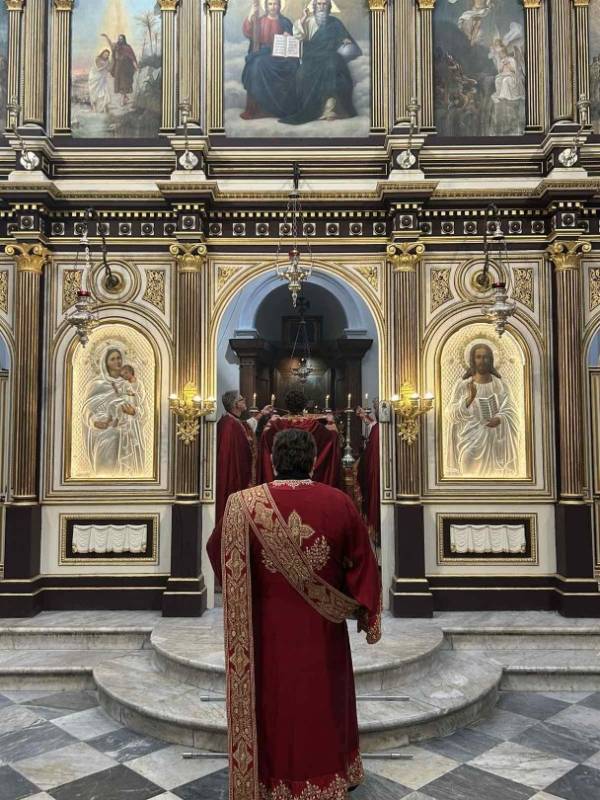
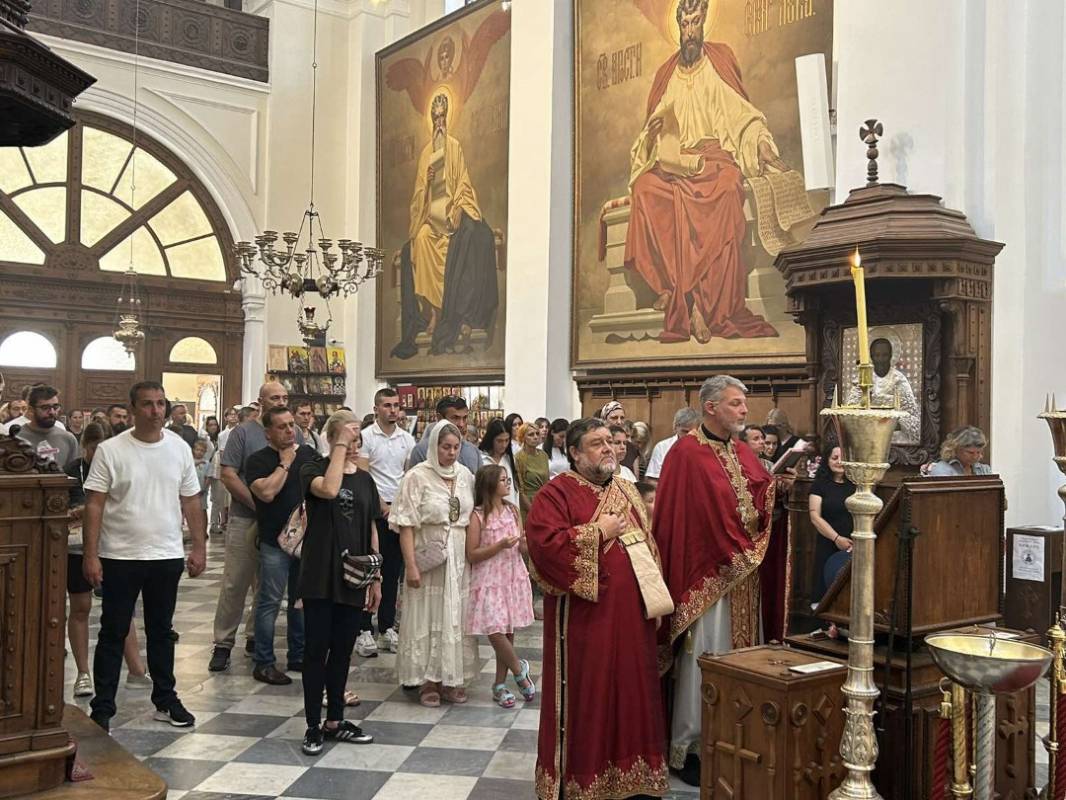
Interpreting today's Gospel at the Holy Liturgy in the Church of St. Nicholas in the Old Town, the hierarchal vicar of Kotor-Tivat, parish priest of Kotor, archpriest-staurophor Nemanja Krivokapić recalled that the Lord Jesus Christ, while he was here on earth, preached the saving doctrine for our salvation and gaining the Kingdom of God, and very often spoke through stories. Heavenly secrets are revealed to us, he said, as much as we need for salvation.
“The event from today’s Gospel was told by Christ as an instructive story. It very often happened that the Lord Jesus Christ spoke sublime truths through pictorial and simple stories. This is because our faith is a faith of revelation. What we know about God we did not know with our own abilities and our own reason, although many people tried to grasp these basic truths - why we are here on earth, what is the meaning of our life, what we should do... That is why we Christians are at a great advantage because God revealed his teaching to us and revealed knowledge, truth, what we should do and what is the meaning of our life,” said Fr. Nemanja.
As he explains, some things that God has revealed to us, we can simply and easily understand, while some truths are not unreasonable, but super-reasonable.
“We cannot understand them accurately, because it is not ours to know everything that God knows. What God has revealed to us is to the extent that we need it. We cannot know exactly what the Kingdom of Heaven looks like, but that the Kingdom of God exists is a fact, because the Lord Jesus Christ mentions it in several examples and speaks about how it is acquired. Therefore, what we need to know is that the Kingdom of God exists, that it is intended for us, but that we need to acquire it. In this Holy Gospel and through this picturesque story, the Lord does not teach us what the Kingdom of God is, but how to reach the Kingdom of God. And it is reached through virtues, through our behavior towards our neighbors, through the manifestation of love and compassion and mercy towards other people, and above all, through forgiveness,” said Father Nemanja.
The virtue that is emphasized in this Gospel, he continued, is forgiveness.
“Through the description of this event, the man, who was forgiven a large debt by his master, did not consider it necessary that he should also forgive his friend a much smaller debt. And then the master reminds him of what he had done to him and asks him: “Shouldn’t you have done the same? Is this man so unreasonable? Is it possible that such a person exists?”. Yes, there is. We are all like that. This is addressed to us, this Gospel, to remind each of us individually to do the same every day.
We all have some unresolved accounts with other people, not only in a financial sense, but simply whenever we do something bad to someone, we are indebted. They are certainly indebted to us too, but we like to seek justice. It is somehow dearest to us to seek justice, so that we are not harmed by any chance,” said Father Nemanja.
Therefore, as he points out, today's Gospel reminds us that if God were to look at us and our sins and exact justice, we would not fare well.
"It is more important that we look at how we treat others, because our whole lives we have been asking God for something. Forgive me this, forgive me that... Thank God that we pray and ask for forgiveness. From whom else can we ask if not from God? But, if we ask God for forgiveness, wouldn't it be logical for us to think that way towards our neighbors as well. That is the virtue of forgiveness that this Gospel reminds us of. We should always think about virtues, but it is especially important to think about virtues now during Lent. Lent is a time when the Church calls us to think more intensely about ourselves, about our actions, about the virtues that we need to acquire. During this time of Lent, we should especially think about forgiveness. Especially in this Theotokos fast, because the Mother of God is the One who always prays for us and intercedes with God for us, to forgive our sins. By observing this fast, we are in a way repaying ourselves." The Most Holy Theotokos, Who constantly prays for us. In the life of a saint, a great ascetic, there is an incident mentioned about how that ascetic, who was extremely pious and was constantly attacked by demons, tempted him in various ways, even physically attacked him, but he managed to resist through prayer and the strength of his faith. Once, the demon who was attacking him, more than tired from the attacks, sits down and talks to him. He says, “You are good, you are holding up well, just don’t think that you have defeated us with your powers and your strength, because we are much stronger than you. But, She there (and he is thinking of the Theotokos and does not want to say Her name as much as he hates Her), She prays for you. We bring you down in every possible way, and to envy and malice and gossip… We defeat you, but then She comes up and asks Her Son to forgive you. It is easy for Her to pray than for Him to listen to Her and forgive you. Where is the justice in that?” Well, there is no justice, but the mercy of God. The mercy of God is what we trust in. Not in justice because then few of us would be saved. Rather, let us trust in the mercy of God that we constantly ask of Him. Well, if we ask for mercy, then it is time for us to show that mercy towards our neighbors through our good deeds and above all through forgiveness. May the Lord God grant, through the prayers of the Most Holy Theotokos, that virtues may be strengthened in us and that we may thus merit the Kingdom of God that this Holy Gospel speaks of, amen,” said Fr. Nemanja.
PHOTOS
.png)
RELATED ARTICLES
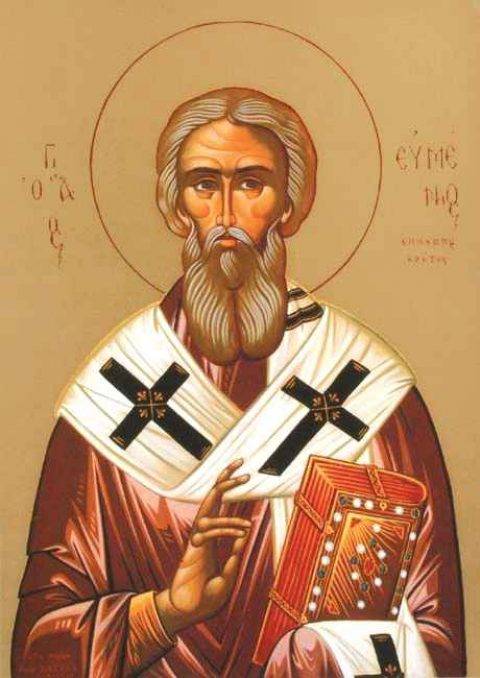
Calendar for October 1st Saint Eumenius of Gortyna
From his youth, he followed Christ, having freed himself from two heavy...
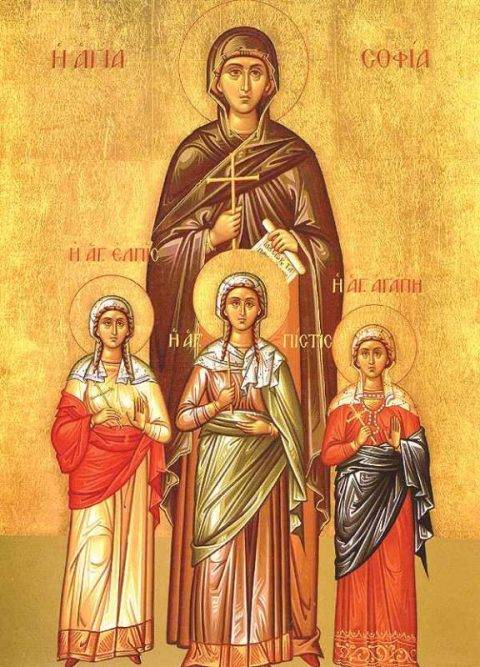
Calendar for September 30 Holy Martyrs Faith, Hope, and Charity, and their mother Sophia
They lived and suffered martyrdom in Rome. Sophia, a widow, had firmly grounded...
Calendar for September 29 Venerable Dorotheus
A native of Thebais. He lived in the desert near Alexandria, in the place known...