FATHER NEMANJA KRIVOKAPIC ON THOMAS SUNDAY IN THE CHURCH OF ST. NICHOLAS: AN EXTREMELY IMPORTANT EVENT AND TESTIMONY TO ALL OF US THAT CHRIST IS TRULY RISEN
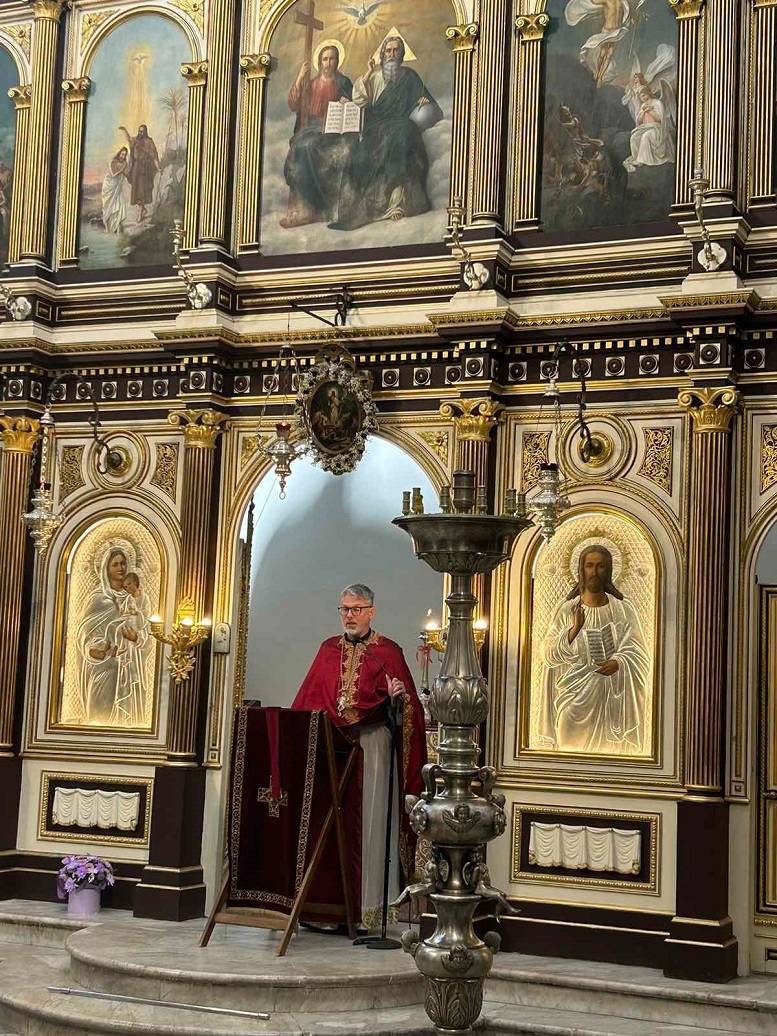
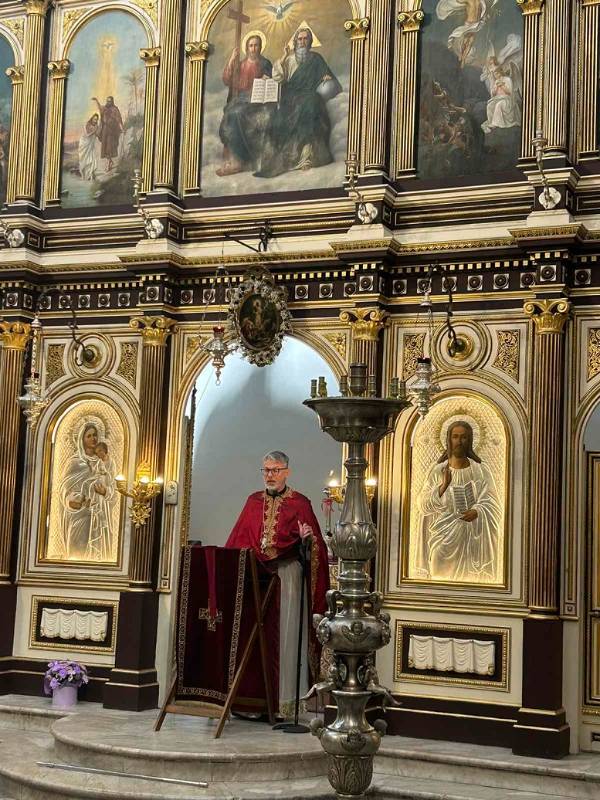
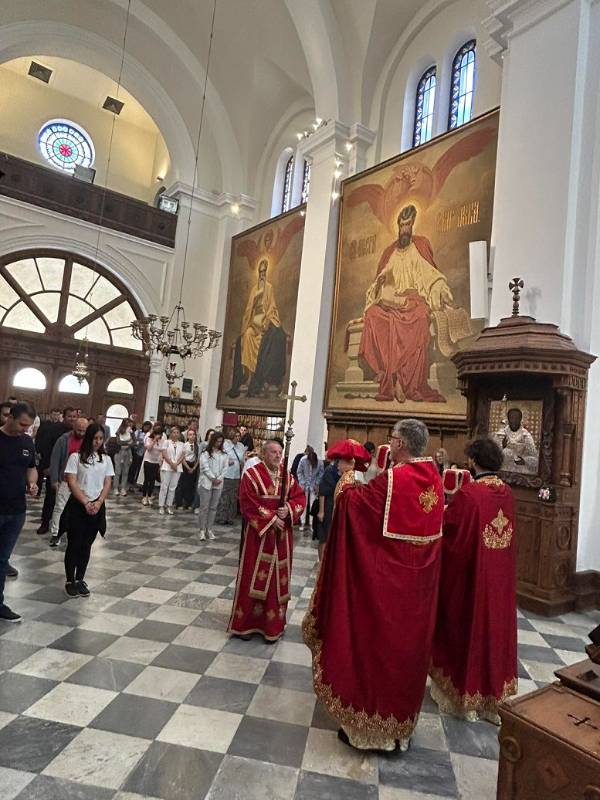
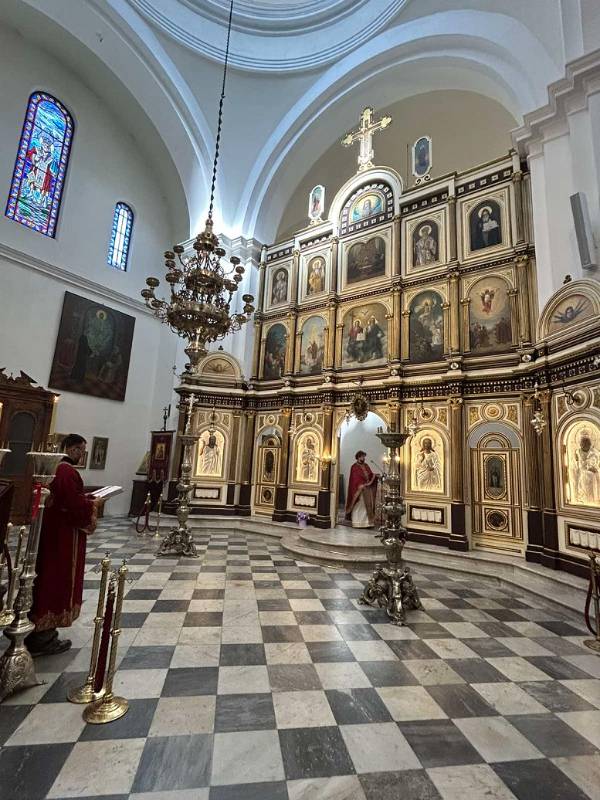
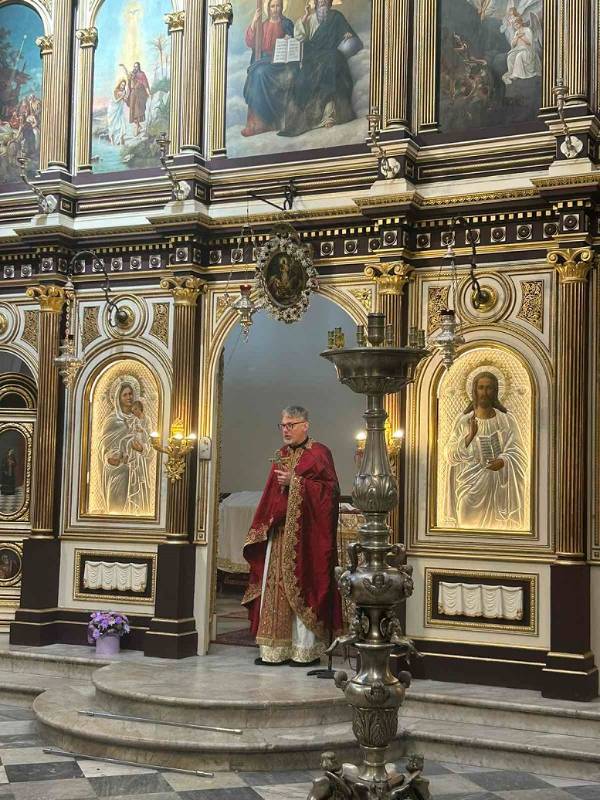
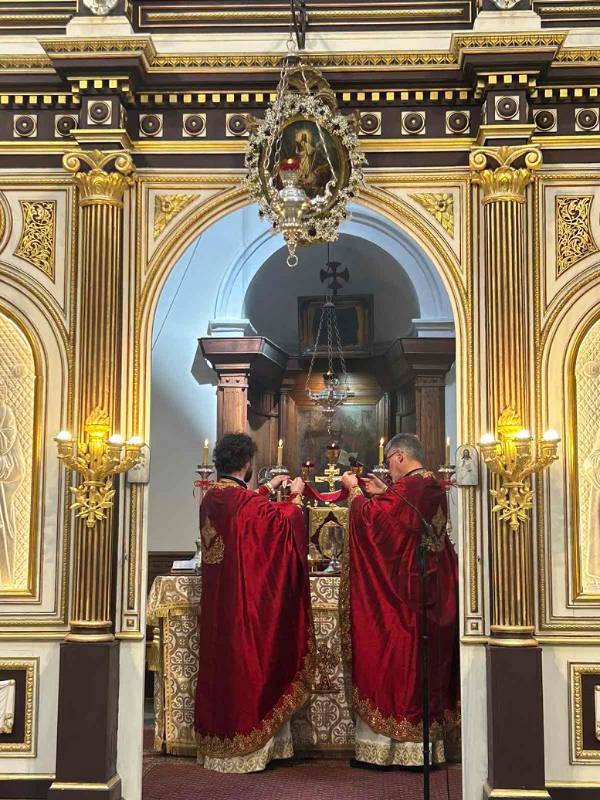
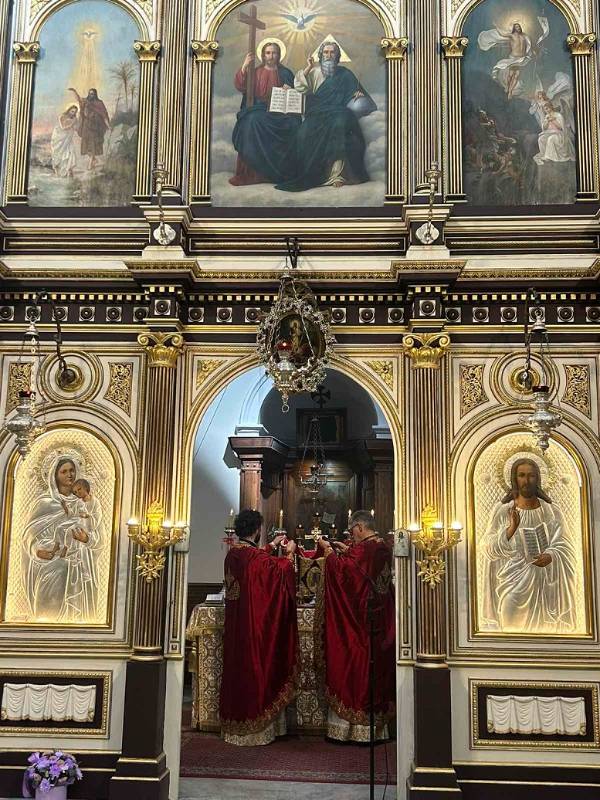
The hierarchal vicar of Kotor-Tivat, parish priest of Kotor, archpriest – stavrophor Nemanja Krivokapić served the Holy Liturgy today, on Thomas Sunday, in the Church of St. Nicholas in the Old Town of Kotor.
At the beginning of his sermon, he reminded that today's Holy Gospel, like all the others this week, speaks of events related to the Resurrection.
“This is because Easter is the “holiday of holidays” and is not celebrated on just one day, but throughout the entire week, which is seen as one day. This is also seen liturgically through the service, because the liturgy is served every day, exactly the same as on Easter itself, only the gospels and apostles change, and yet they all speak about all the events that happened in connection with the Resurrection. And why is this so? Because the Resurrection is not only the “holiday of holidays”, but the “event of events” in the history of humanity. It is the most important event that has happened since the world began, even more important than the creation of the world, and even than the incarnation, because the incarnation happened so that the Resurrection could happen. Namely, the Lord God came to earth, became man, suffered and was resurrected for the sake of our salvation. He did suffer, but He suffered in order to taste death and, together with the human nature that was in Him, to Rise and conquer that death, as we sing in the most joyful troparion of the Easter, “by death He destroyed death,” so that having tasted death, He might conquer that same death through the Resurrection. This is why Christ came and what is extremely important to us, humans, because in doing so, death was conquered and we were given the possibility of eternal life. That is why it is the event above events, and at the same time the most joyful. That is why we celebrate Him all these days,” said Fr. Nemanja.
He continued that in the description of this Gospel, after the description of the Resurrection itself, we hear about the events that took place afterwards, about the first encounter with the Lord, when the Myrrh-bearing Women came to help His body, and saw an open tomb and an angel who said to them “why do you seek the living among the dead”. Also, their first encounter with the Lord, Fr. Nemanja pointed out, was marked by the Lord’s short but essentially important sentences: “Do not be afraid” and “Rejoice”.
“The encounter with the apostles was marked by their recognition and non-recognition of Christ, belief and disbelief. So today we hear one of those events, which is when Thomas, one of the apostles, did not believe when the disciples told him before that they had seen Christ. Namely, Christ came and announced with the disciples, immediately after Resurrection and spoke to them. Thomas was not among them, again by God's providence. When the apostles told Thomas that they had seen the Lord, he did not believe. He thought that they were imagining it out of great love for God, a great desire to see Him, that they had seen a spirit, that it was an apparition to them... He said: "Until I see it with my own eyes and touch His wounds, to see that it is really so, I will not believe." Today's Gospel describes to us this reunion, the return of the Lord Jesus Christ, when Thomas was also there, eight days after this event, when He stood among them again and said "peace be with you", when He invited Thomas to examine, to touch, to see that it was really Him. Why did God allow this? It was precisely by God's providence that it would be proven and shown to everyone, first of all the apostles and Thomas and all the others, but through them and to all of us to this day, that Christ is truly the true God who was resurrected, that this is His real body as it was when He walked here on earth. If this event had not happened, today someone could say that the apostles only imagined that they had seen God, and this is proof because Thomas approached and touched His body, that it was real, His wounds that He received a few days before when He was crucified, that this crucified Christ was alive, right there before him, to talk to him and testify about the Resurrection," said Father Nemanja. "That is why in church hymns this event is called "The Blessed Unbelief of Thomas." Also a significant moment in this event is one that usually goes unnoticed, but is very important. How did Christ greet them? He said: “Peace be with you”. This is not an ordinary greeting but the essence of how the apostles should feel. This is the same thing he said to the Myrrh-bearing Women. The first thing he said to them was “do not be afraid and rejoice”, because the apostles as people were terrified by all these events. He tells them “do not be afraid and rejoice” because there is no room for fear because death has been defeated, the greatest enemy – death – has been defeated by the Resurrection, and we can only rejoice. That is why he says to them on several occasions “peace be with you”, so that we have peace within ourselves, having the knowledge that Christ has risen, defeated death and given us eternal life. All this is written, as it is written in the Holy Scriptures, “that you may believe that Jesus Christ is the Son of God, that by believing you may have life in His name”. "This is the essence of today's Gospel, that, remembering these events, we again and again confirm ourselves in the faith that Christ has risen, conquered death and granted us the possibility of eternal life, and that together with Thomas we cry out, "My Lord and my God," amen," said Father Nemanja.
PHOTOS
.png)
RELATED ARTICLES
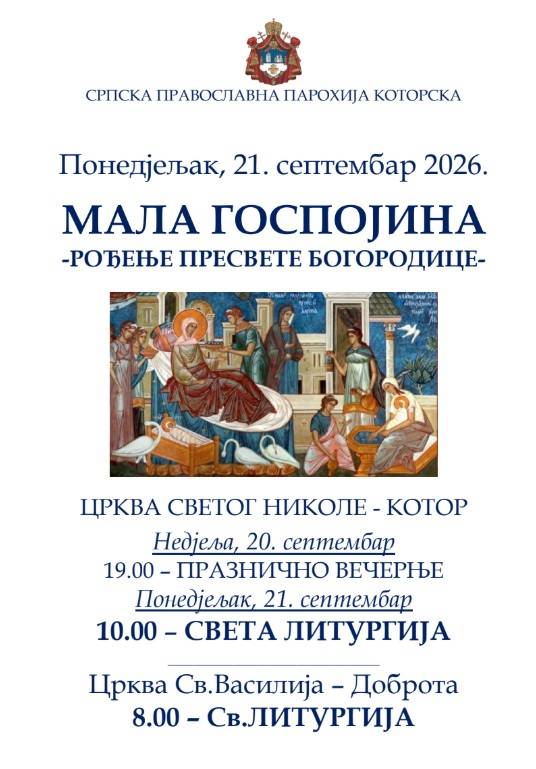
SERVICES FOR THE FEAST OF THE NATIVITY OF THE THEOTOKOS – MONDAY, SEPTEMBER 21, 2026
THE NATIVITY OF THE MOST HOLY THEOTOKOS Church of Saint Nicholas –...
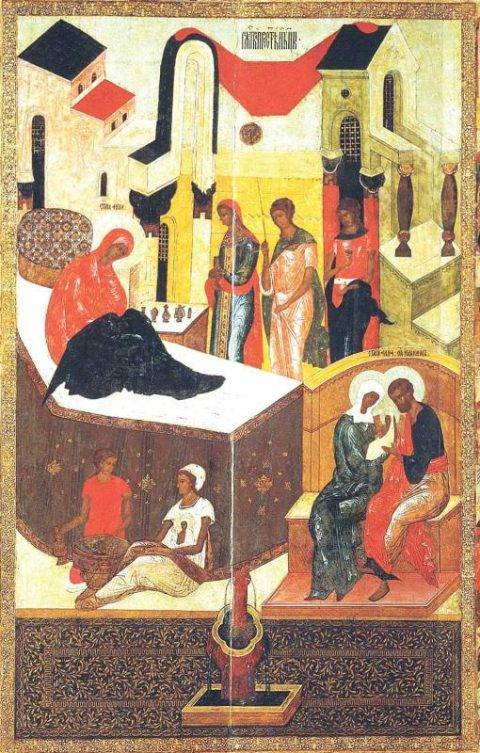
Calendar for September 21 The Nativity of the Most Holy Theotokos – The Lesser Feast of...
The Most Holy Virgin Mary was born to elderly parents, Joachim and Anna. Her...
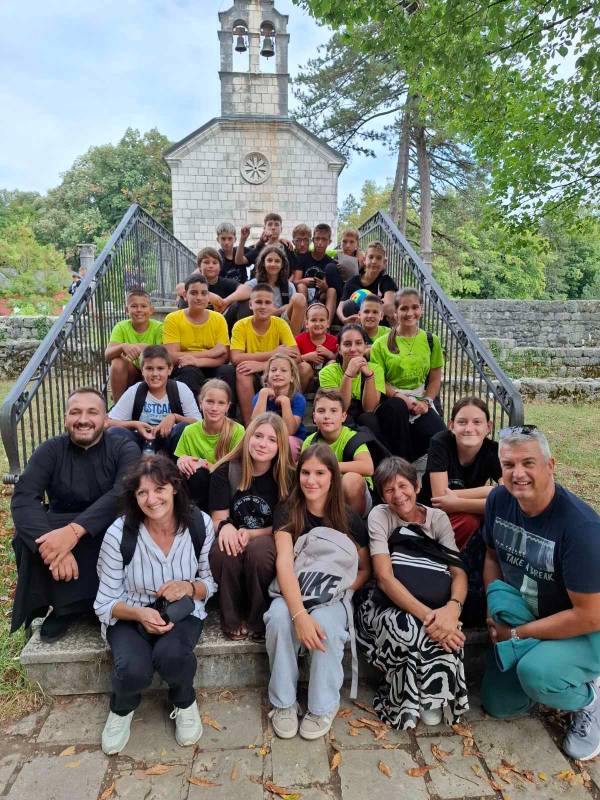
RELIGIOUS EDUCATION STUDENTS FROM KOTOR AND PRČANJ ATTEND CHILDREN'S GATHERING
Twenty-five religious education students from Kotor and Prčanj participated in...