LECTURE BY DR MILOŠ VESIN: GIVEN TO FORGIVE DOES NOT MEAN TO FORGET, BUT NOT TO ALLOW THE PAST TO STILL HURT US
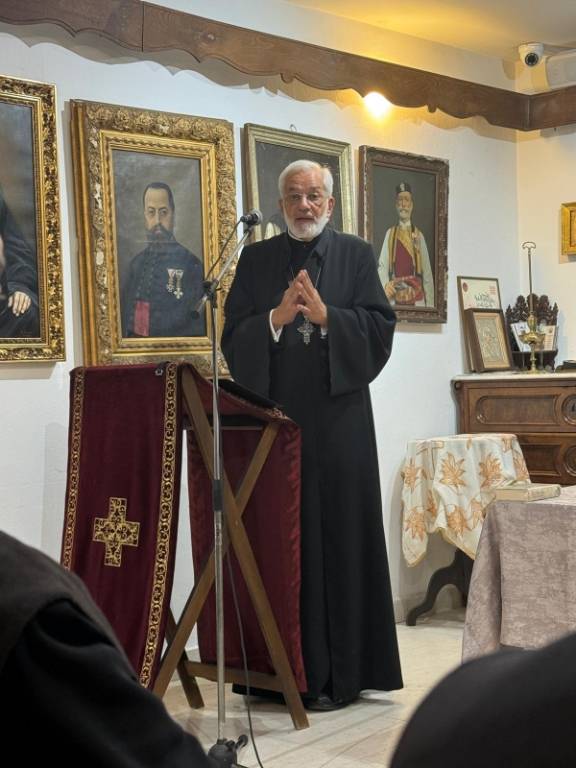
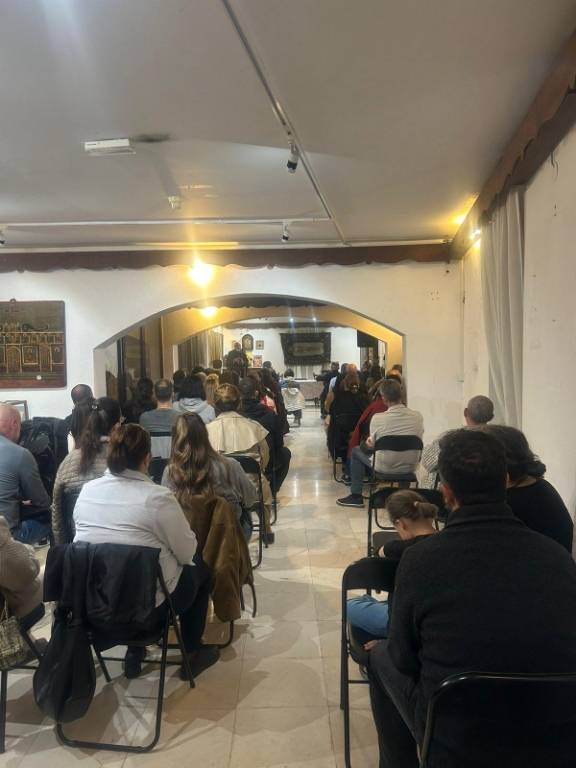
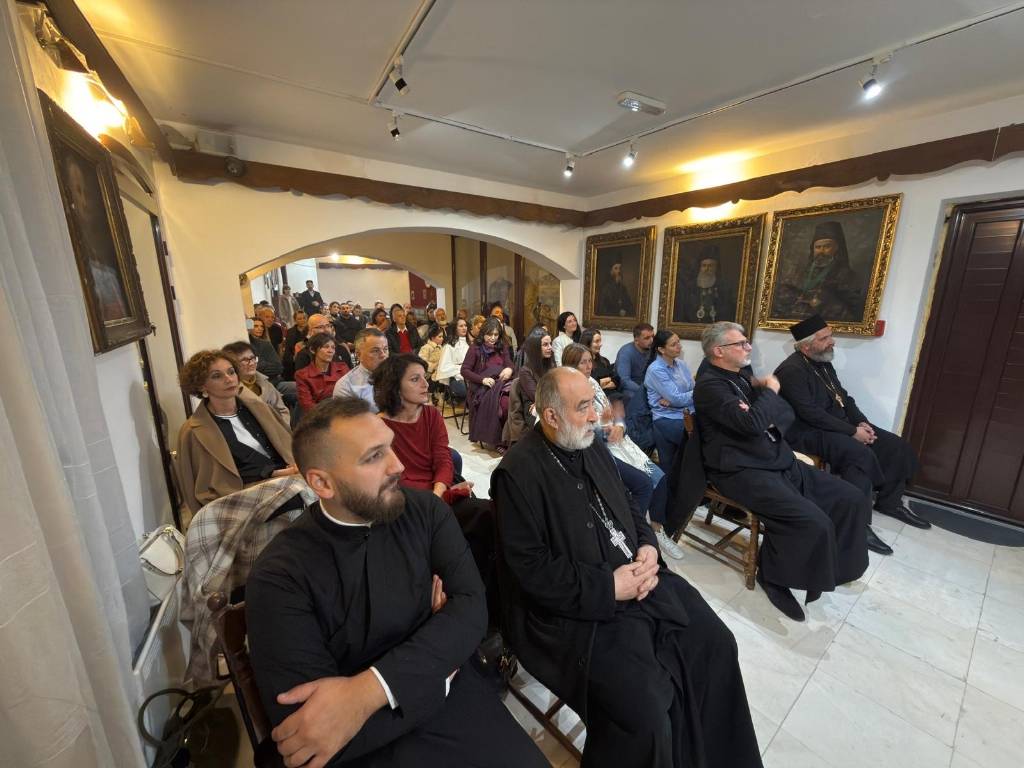
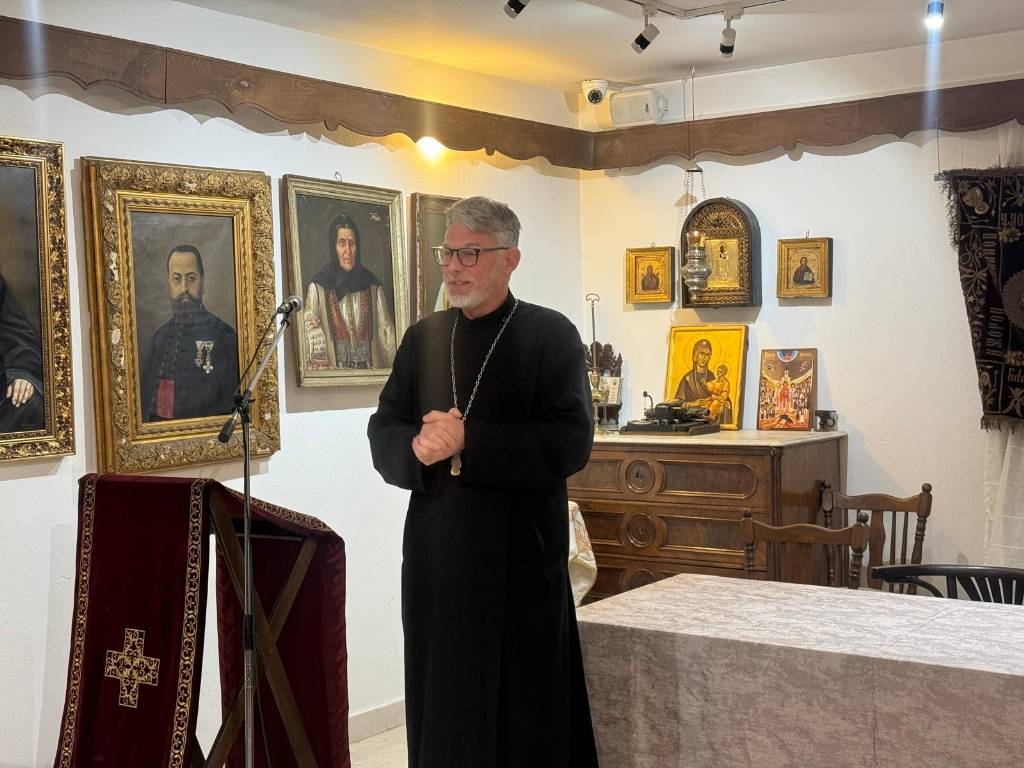
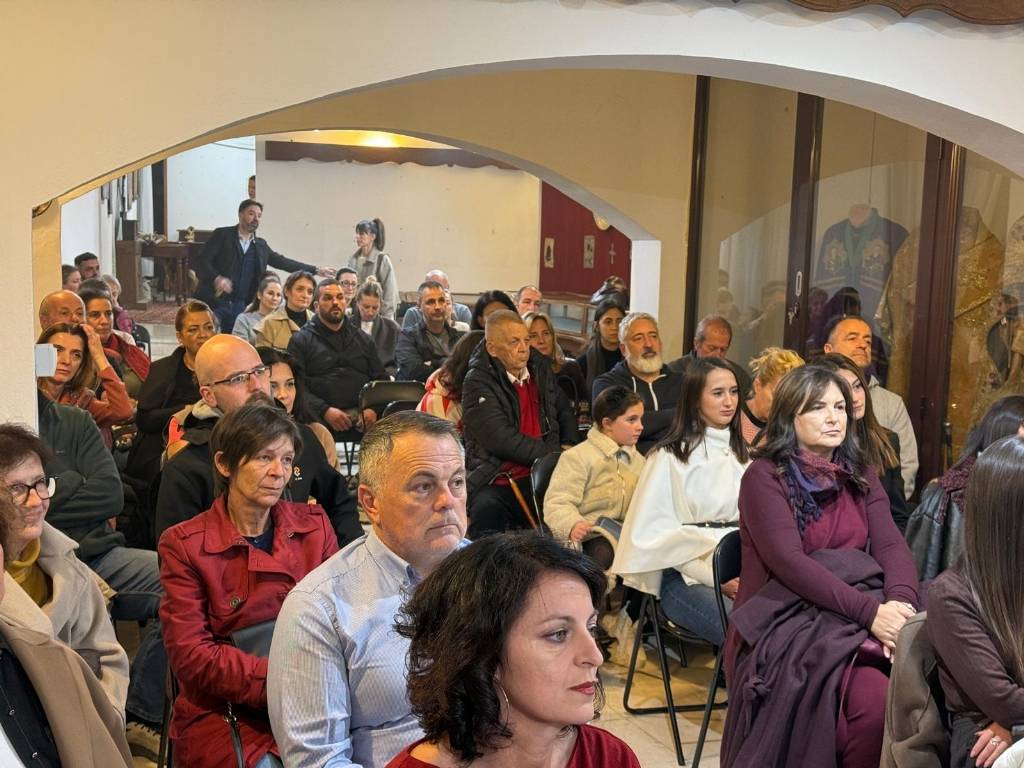
Archpriest Stavrofor Dr. Miloš Vesin gave a lecture last night in the Treasury of the Serbian Orthodox Church in Kotor on the topic "Forgiving and/or Forgetting", talking about the importance of forgiveness in the Christian life, its connection with love, repentance and inner peace, as well as whether it is possible to truly forgive and not forget what has hurt us.
After the prayer, the archpriest of Kotor-Tivat, parish priest of Kotor, archpriest-stavrofor Nemanja Krivokapić greeted those present, reminding that exactly one year had passed since Dr. Vesin's previous visit to Kotor.
"The fourth of November, exactly one year since the last time Father Miloš was with us. It was as if a day had passed, but here it is again November, the time when the tireless Father Miloš, preacher, orator and missionary, comes to visit us. May God give him health so that he may continue to preach, speak and feed us with wonderful thoughts for many more years. It is up to us to use his energy and great knowledge, to feed ourselves with wonderful thoughts," said Krivokapić, thanking the guest which is again among the people of Kotor.
At the beginning of the lecture, Dr. Vesin pointed out that forgiveness is what should be at the center of a person's spiritual life, stressing that the world exists thanks to God's forgiveness.
"The energy with which we should really fill ourselves, and not only fill but also strengthen, is at the center of this gathering of ours tonight, and that is the energy of forgiveness, which is so necessary for us. Why? Because the world exists thanks to God's energy of forgiveness. Because if it were not for God's forgiveness, the question is what would be of this world until today and whether it would even exist at all," said Dr. Vesin.
He recalled the words of the Holy Bishop Nikolaj Velimirović, who compares repentance to a seed and forgiveness to a fruit, indicating that repentance without forgiveness cannot have its full value.
Speaking about the consequences of the impossibility of forgiveness, he emphasized that a bad memory causes the most damage to the person who carries it inside.
"The fact that someone won't forgive doesn't affect the one they won't forgive so much as it affects the one who won't, can't or doesn't know how to forgive. Because what someone did, said or planted, and often we don't know if it's all true, only multiplies the amount of poison in the one who won't forgive. Forgiveness brings us closer to God like no other virtue, because love doesn't have its effectiveness if it's not carried on the wings of forgiveness. What is forgiveness really but a proof of our Christlikeness? You know, to be "being a Christian is very nice, sometimes even pleasant, but being Christ-like is very difficult. It means imitating Christ and asking yourself in every situation what Christ would do now," said Dr. Vesin.
As an example of true forgiveness, he cited Christ's attitude towards sinners, as well as the Holy First Martyr Archdeacon Stefan, who, despite suffering, had the strength to forgive those who persecuted him.
He particularly referred to the importance of inner peace, stressing that a person who does not have peace within himself can hardly contribute to peace among others.
"Peace is not a diplomatic skill. Peace is a state of the soul. And in order for a man to build peace, he must first of all be at peace with everyone around him. When someone says something ugly to you, insults you or tries to hurt you, every time you get angry at that, you actually give that person the steering wheel of your life in his hands. He can then control you by saying something to you. But if his words cannot disturb you, then what he said says nothing about you, but about to him," he explained.
He also pointed out that pride is often hidden behind a person's insults, from which anger and bad memories arise.
"No matter how much a person has the right to be angry, to be offended, to be angry, that's actually where pride often speaks. 'Who is he to say such a thing to me?' him, but I won't have anything to do with him anymore,'" he recalled.
Speaking about saints as models of Christian life, Dr. Vesin used an interesting comparison, calling them traffic lights on the roads of our lives.
"Saints are traffic lights on the roads of our lives. When it's green, they show us what's blessed, what's good, what's useful for the soul, and they say: go, go, do it. If it's yellow, be careful. But when it's red, don't do it at all. However, just as a traffic light on the street cannot forcefully stop a man who has decided to go through a red light, neither can saints forcefully stop anyone. God never acts by force through his saints. He wants our good will," explained Dr. Vesin.
He also reminded of the words of the "Our Father" prayer, in which Christians daily ask God to forgive their debts just as they forgive their debtors.
"That is the most consistent Orthodox mathematics. We say to God, 'God, act according to our logic, forgive us as we also forgive'. Christ said that if we forgive each other's sins, our heavenly Father will also forgive us. And if we do not forgive, we will not be forgiven either", he emphasized, while in the continuation of the lecture he particularly focused on the question contained in the very title of the meeting - is it possible to forgive and not forget. He explained that remembering and forgetting are not simple processes, but can be viewed through three different levels: cognitive, emotional and intuitive.
"What is love? The power of forgiveness. You can tell someone, prove it, build towers and cities as a proof of love. If there is no forgiveness, it is not love. Love is forgiveness, and forgiveness is proof of love. And now we come to what is for many a touchstone in life - is there true forgiveness without forgetting? When many hear that, they say 'well, I can forgive somehow, but I can't forget'. However, we often simplify things. When we say To remember or to forget, we have only one process in mind. The first is the information we learned in 1389 or the Congress of Berlin. These data can be lost, but the second level is the emotional memory remember your grandmother, maybe even today you can smell her cakes, or the first time someone rejected you. The third level is the intuitive memory, the feeling that tells us that we should or shouldn't do something, and that we often ignore ourselves being, he also develops his intuition'', Dr. Vesin explained, and continued...
"Thus, remembering is not the same event or the same movement of mind and soul. And where does the forgetting that we talk about when it comes to forgiveness happen? On an emotional level. It means that I won't let what once hurt me continue to hurt me. "It doesn't mean that I have erased the event from my memory, but that I have stopped carrying its emotional weight and allowing it to rule my life," he concluded.
At the end of the lecture, there were several questions from the audience about forgiveness, especially about situations in which one party sincerely asks for forgiveness, while the other is not ready to accept it.
Dr. Vesin explained that every conflict requires two and that the most important thing is for a person to do what he can to achieve reconciliation. If we sincerely ask for forgiveness and show a willingness to overcome disagreements, and the other party does not accept it, we have fulfilled our part of responsibility and no longer participate in the conflict. With this, he once again pointed out the importance of forgiveness, personal responsibility and inner peace, which does not have to depend on the willingness of the other party to accept reconciliation.
Mihaela Moskov
(Radio Kotor)
PHOTOS

RELATED ARTICLES
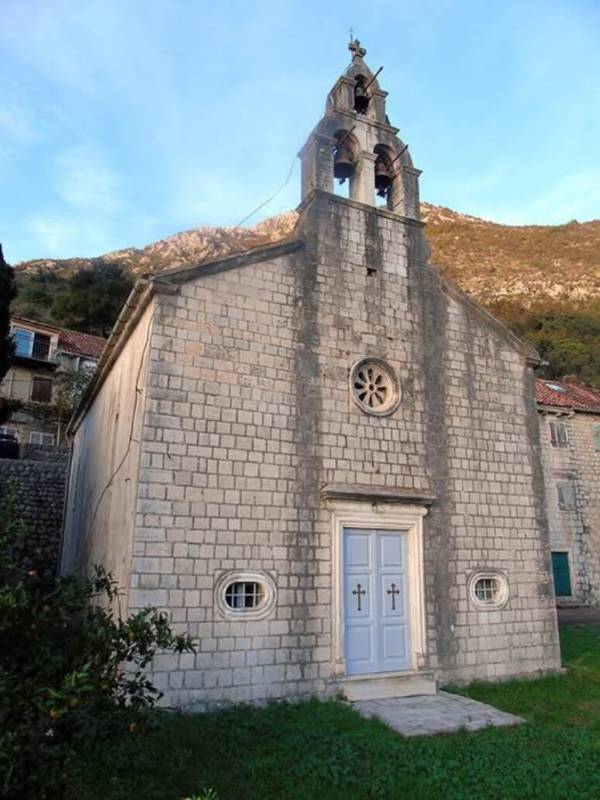
Celebration of the 170th Anniversary of the Church of the Nativity of the Most Holy...
On Saturday, November 7, 2026, a major jubilee—the 170th anniversary of...
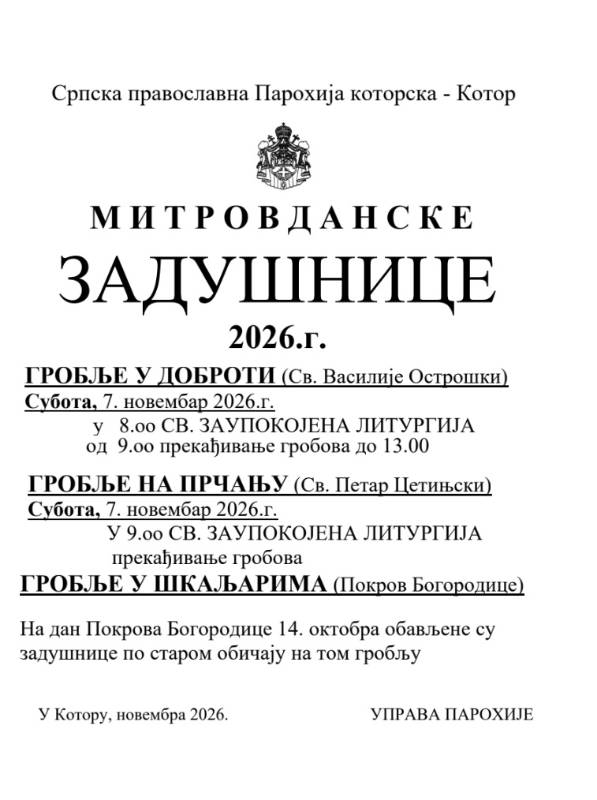
MEMORIAL SERVICES FOR ST. DEMETRIUS’ DAY (MITROVDAN) IN THE PARISH OF KOTOR
The Administration of the Serbian Orthodox Parish of Kotor announces the...
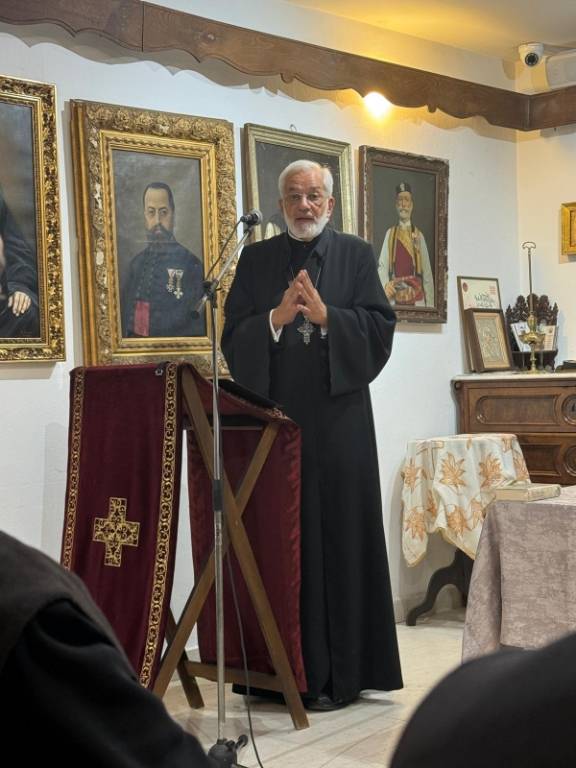
LECTURE BY DR MILOŠ VESIN: GIVEN TO FORGIVE DOES NOT MEAN TO FORGET, BUT NOT TO ALLOW THE...
Archpriest Stavrofor Dr. Miloš Vesin gave a lecture last night in the...