
SA PROMOCIJE KNJIGE VLADIKE GRIGORIJA JEDNI DRUGIMA POTREBNI: BEZ DRUGOG ČOVJEKA NE MOŽEMO DA KAŽEMO DA POSTOJIMO
According to Bishop Grigorij, a person exists only with another, next to another and with another, as the source of his existence and being.
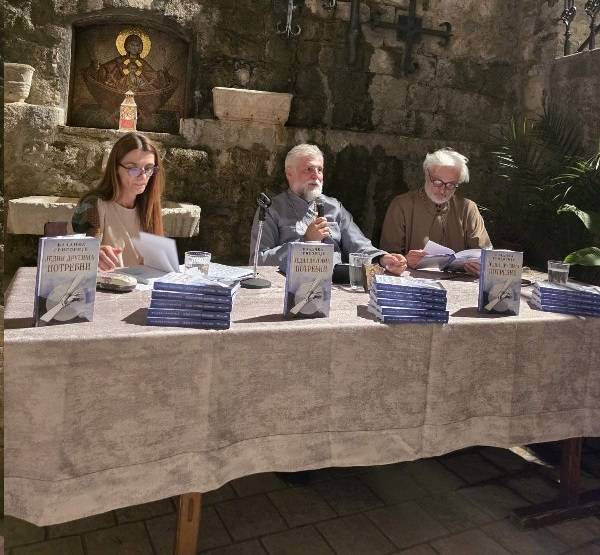
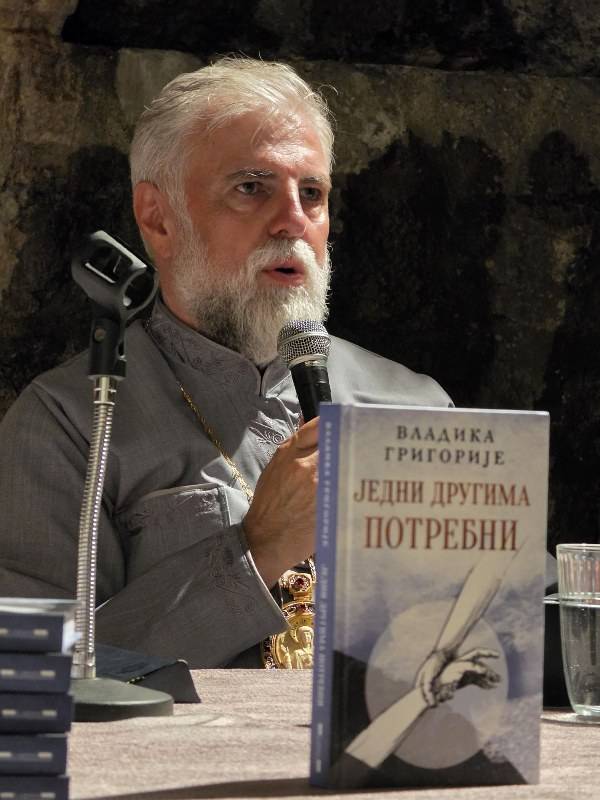
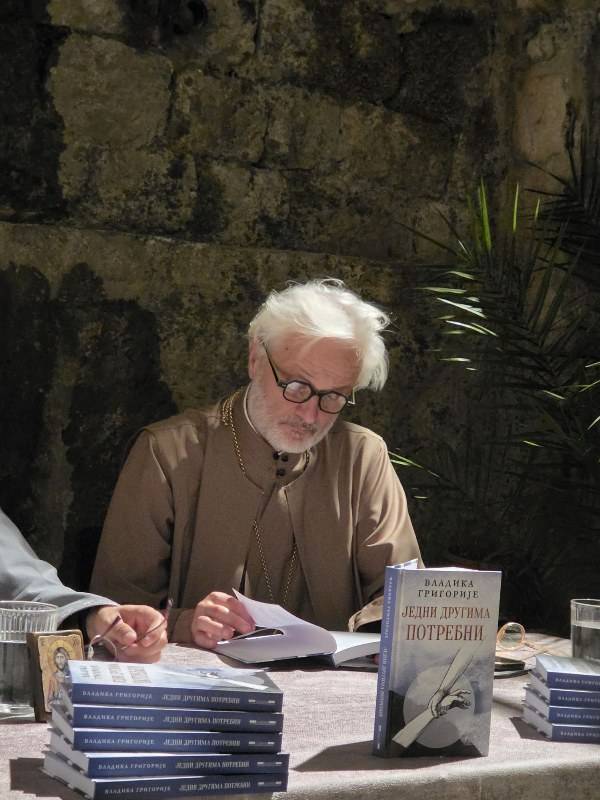
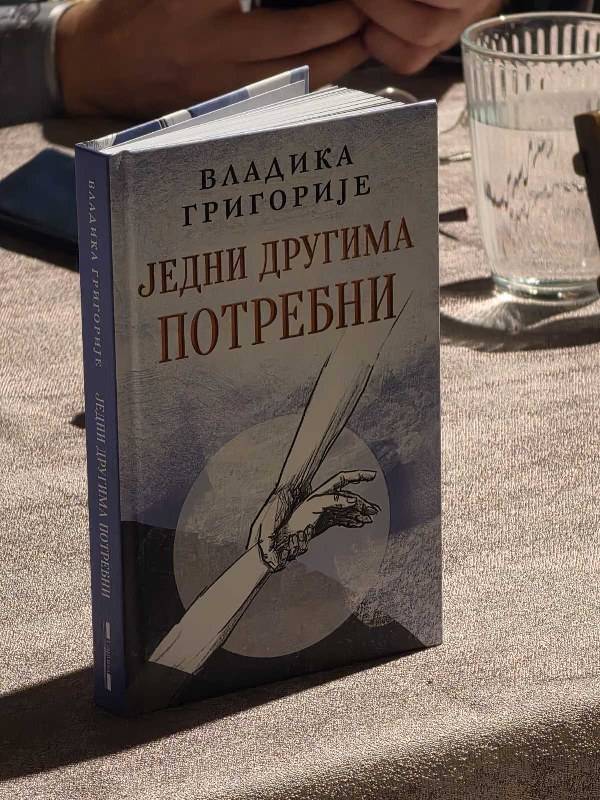
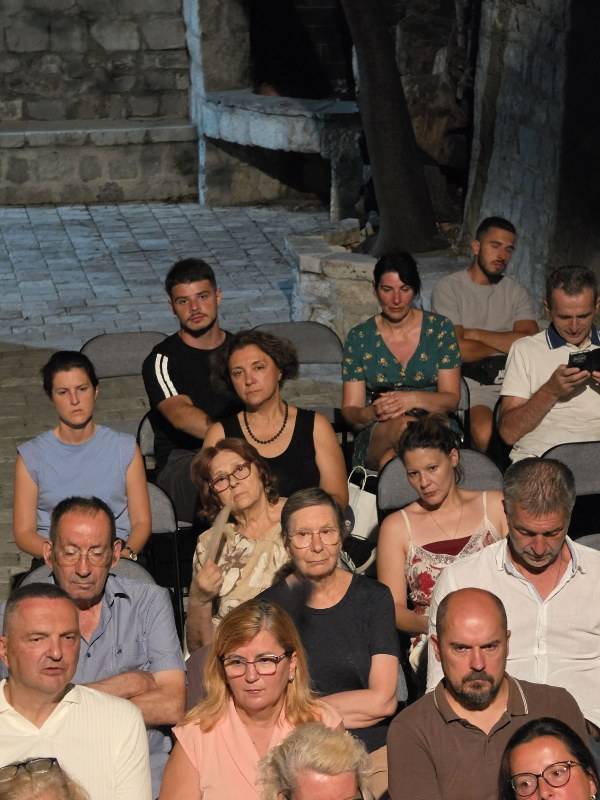
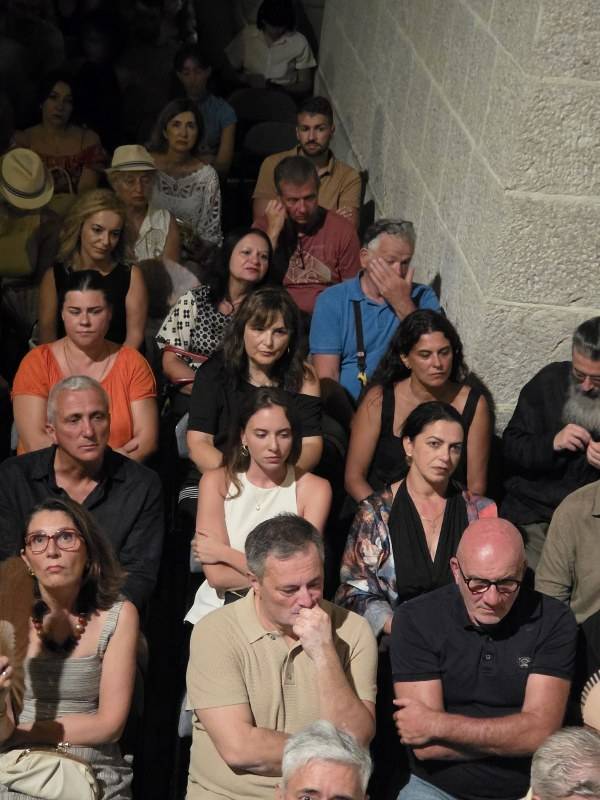
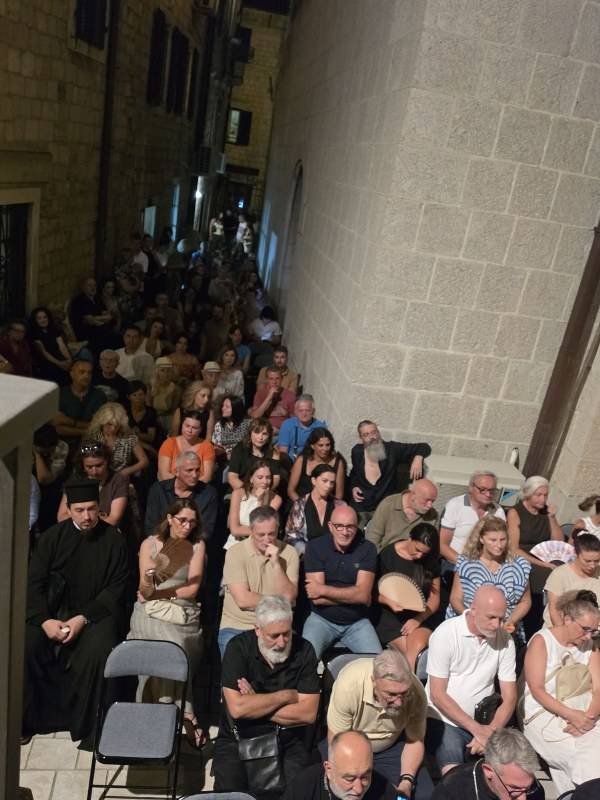
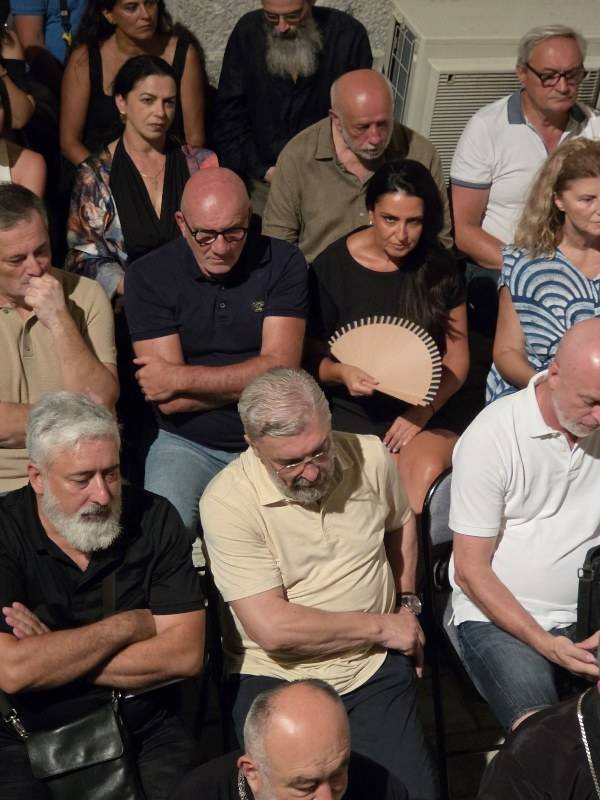
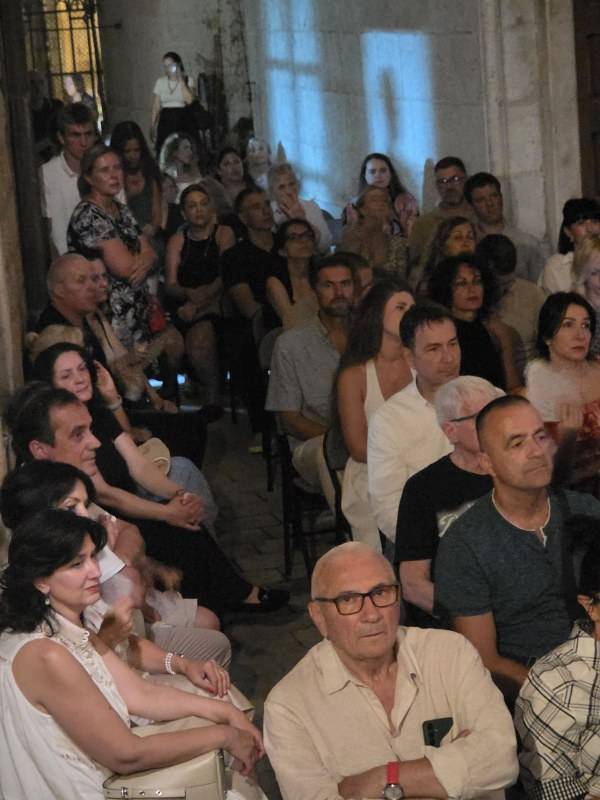
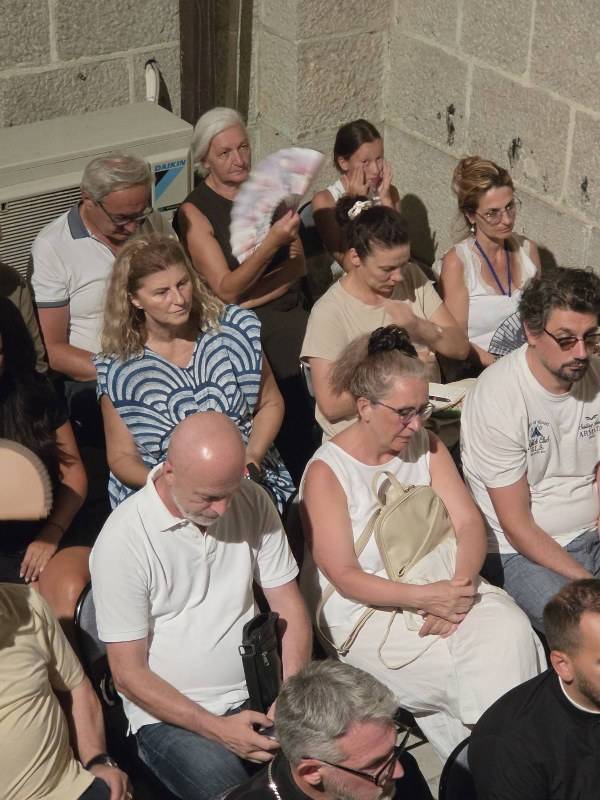
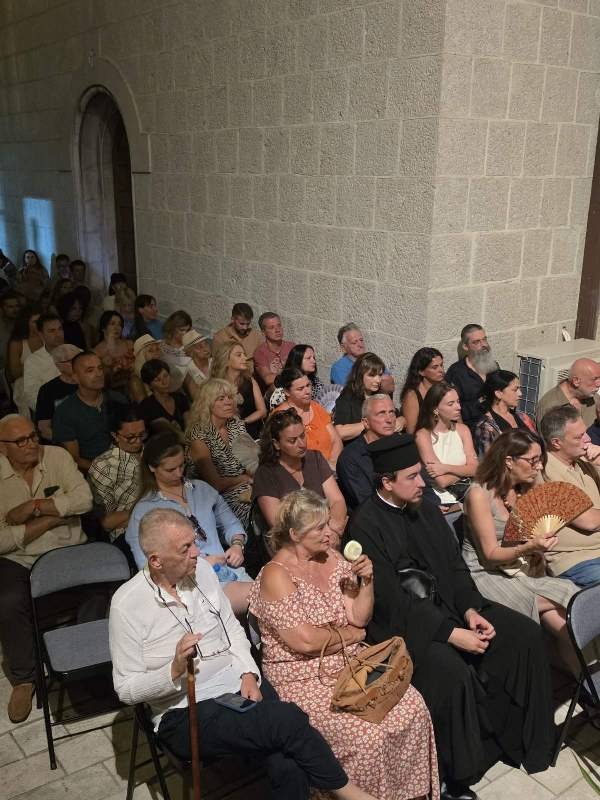
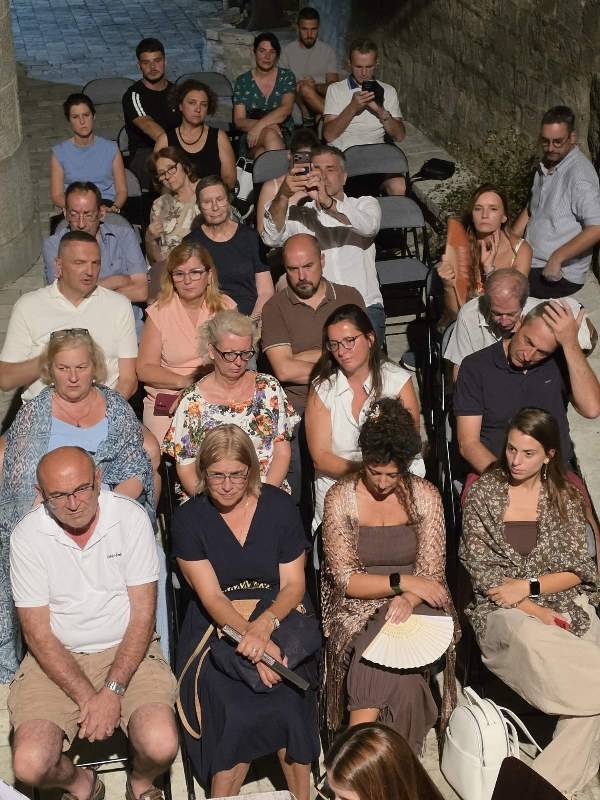
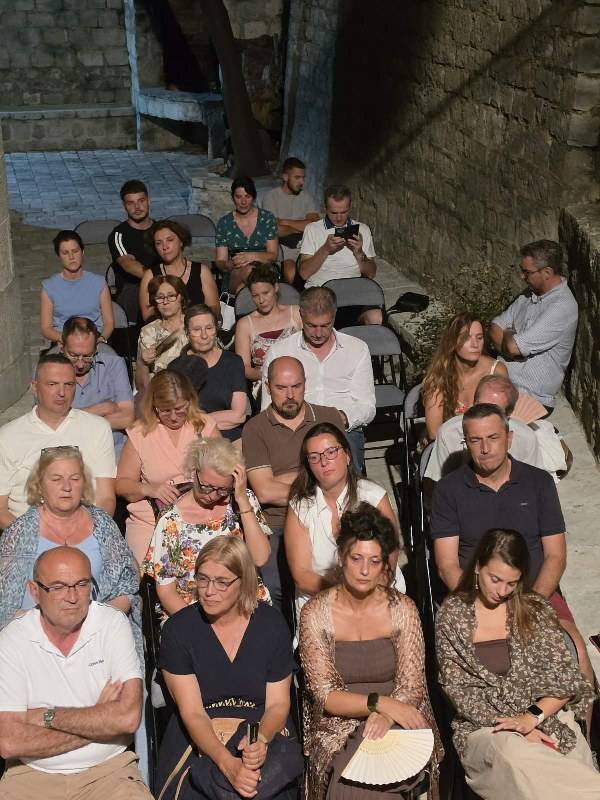
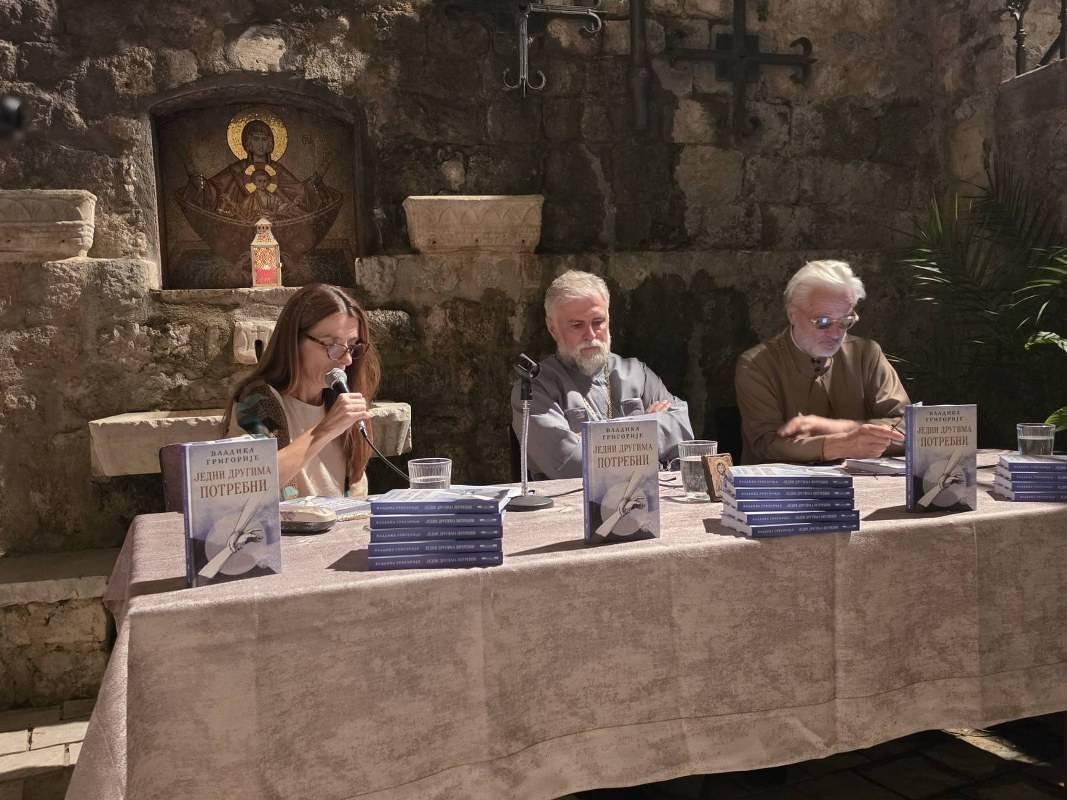
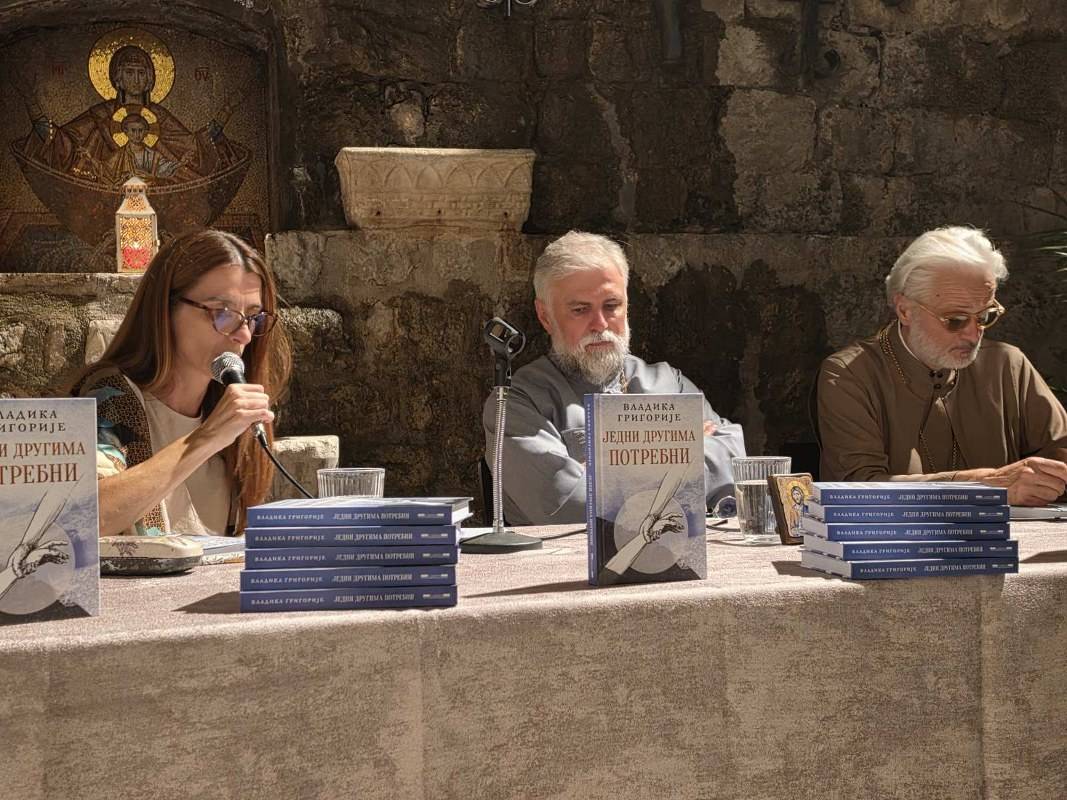
“Without the confirmation of another person, we cannot say that we exist,” said Bishop Grigorije, Metropolitan of Germany, Archbishop of Düsseldorf-Berlin, Doctor of Theology, writer and columnist yesterday at the promotion of the book of sermons “Needing Each Other”, held in the portico of the Church of St. Nicholas, organized by the Serbian Orthodox Church Municipality of Kotor.
“Negation is terrible - when someone denies us, when we deny the other, when we insult the other, when we say ugly things to the other. There is a philosopher Levinas, who said a very beautiful thought, a sentence that I like very much: “Never forget that through the eyes of another, the eyes of another with a capital D look at you”. God’s eyes always look at us through the eyes of another. When you insult another, you insult God, but when you insult God, you are actually always insulting yourself and hurting yourself as an icon of God. When you say an ugly word to a person, it is as if you hit this church with a terrible hammer on this one stone, then another word, then another word, and you break that stone. Now imagine a church that has one, two, three of these stones broken. How terrible that is. Imagine a person to whom someone says ugly words every day, how it affects him destabilizes, disrupts, destroys, breaks it... And we use harsh words so easily. A lie is destructive and harsh words are destructive, and that is why it is always important to be careful with our words,” said Bishop Grigorije.
He recalled a sermon at the grave of a friend who committed suicide.
“A touching story. He was a very good man from a very respectable noble family. Whenever I came to Trebinje in the last seven or eight years, he would meet me on that square, on that Trebinje market and say “come on, why don’t you come”, and I would, by some inertia, always ask him “how are you”. He had a terrible illness and then he recovered, but he was afraid that that unfortunate illness that had taken many people away would return. And I had other work. I actually thought that I had other work. And then one day I came and someone told me that he had committed suicide. I went to the funeral, which priests don’t go to. His son came up to me and said: “do you know how much he loved you, do you want to say something”. I talked about how we say “how are you” to each other, but in fact we don’t wait for an answer at all and how we sometimes someone calls from the depths of their soul to come to them and we don't come. I turned to those people in that settlement and told them that we are such tough people and that we are somehow proud for some strange reason and we will not reveal to each other our need for that other. And then, when I said "we are so necessary to each other", I saw that they, those two-meter tall people, were somehow frightened by those words. And then I thought for a long time and later, when we were making this book, when I read that sermon, I said - "this will be the title", said Bishop Grigorije.
Archpriest - stavrophor Boris Brajović spoke about the book "Necessary to Each Other" and wrote in his notes that Bishop Grigorije was an excellent listener of the word even as a monk.
“He was a keen listener of words, and from a careful listener of words comes a brilliant orator and a brilliant speaker. The Greeks, when something is so beautiful, and these were those heights like the Pantheon, a place from which you can see everything, said that it is full of gods. They were fascinated by that. There are two important places for the experience of human existence in today's world from which Bishop Grigorije tries to approach, to awaken some spiritual coordinates of the meaning of every person, both through his novels and through his sermons. These are this piazza, this porta or small square where we are, and the temple. These are two key topos of European civilization. And why are they key? The square is the place where these coordinates of the meaning of a city intersect, because the heart of every city is the square, because people meet in the square and that is the meaning of the city - the meeting of people. In antiquity, there were also those who on trade, like Hyde Park today, they also said dangerous things, but those that were in defense of the community that is more important than the building itself. Plato says that a city is made of beauty and the desire for immortality. Today we have lost the city, only the temple remains. I fear that this fervor from these walls will not enter the temple, so that the temple will not become a public space in which even opposing voices can be tolerated. Bishop Grigorije said that many friends, and even some enemies, did not understand his words. They understood even less the words of his spiritual father, Bishop Athanasius, but he somehow carried it “wounded”, as one writer would say about Bora Stanković. Bishop Grigorije carries it through these novels, trying to reach the heart. And the heart, as St. Sava says in that sermon, the most important of our sermons in the Serbian people, the one on the Day of the Savior: “No one can control the heart,” said Fr. Boris Brajović.
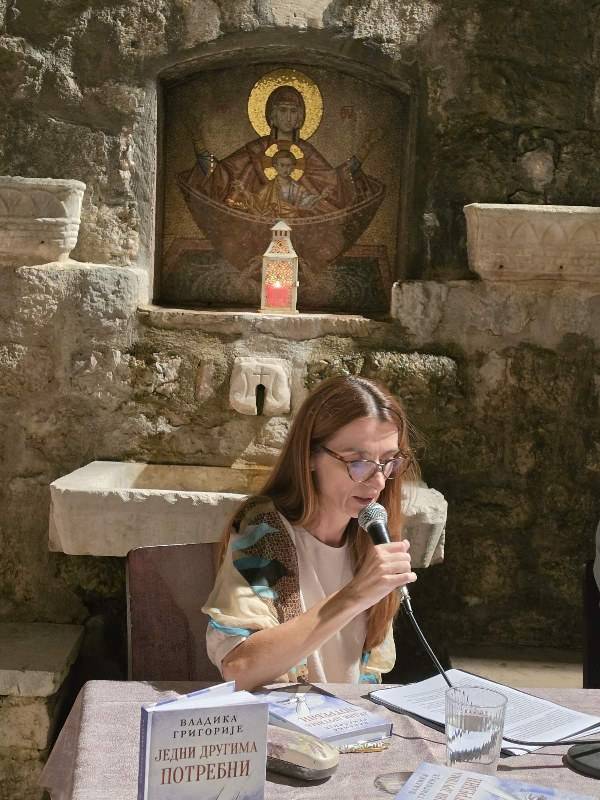
The moderator of the evening, Prof. Ljiljana Čolan, said that Bishop Grigorije has already published several books: "Being with Another" (an adapted version of the doctoral dissertation - Relational Ontology by Jovan Zizjulas, defended in 2014) is a monograph printed in 2018, which goes beyond the usual theological treatise and speaks, as the bishop himself says, about the complexity of relationships and connections on which the world rests, which is at the same time a valley of paradise and a valley of weeping, and also speaks about the uniqueness of writing down everything that an intellectual with an open mind and heart discovers and learns through both life and reading experience.
The book "Let's Look Each Other in the Eye", published in 2019, discusses various topics from the biography of the bishop himself, discusses the relationship between the Church and society, the book contains sermons, texts of signposts and roadside signs, and testimonies of people of different faiths and professions who met Bishop Grigorije. On this occasion, I would like to highlight the thought of our writer and translator, academician Ljubomir Simović, who emphasizes in the foreword to the book that our bishop, in addition to state and church educational institutions, had to graduate from a special school. That school where "difficult, harsh and dramatic lessons" were learned was Herzegovina. Perhaps it was this school that influenced the bishop to emphasize the words of Saint Ignatius the God-Bearer as his life motto: "A good fighter takes blows and wins."
The collection of stories "Over the Bridge" (2017) reveals the writer's delicate feeling and empathy for the people of the Herzegovina region at the end of the 20th century, as well as his need to establish a balance "between two grams of evil and one gram of good" in that area. We feel in these stories the continuation of the narrative tradition of Petar Kočić, I. Andrić, M. Selimović...
The novel "Heavenly Gardens" (2022) is dedicated to all the comrades from the writer's life, these people became the heroes of his novel, faced with the scourges of war, they kept the beauty of Planinica within themselves, made great decisions and showed their love for life with their deeds.
Questions of faith, love, war, peace, holiness, glory, hope, pain, suffering, friendship, repentance, forgiveness are reflected on in the book “Stranger in the Forest” (2024). With this book, the bishop shared with readers the precious experience of monastic life in Ostrog and Tvrdoš. And everything we have is only ours if we selflessly share it with others. Thus, this book has become a great gift that is further transmitted (given) through reading”.
I also experience the book “Needing Each Other” as a special gift. Bishop Grigorije gives himself to others with his sermons. They are not arranged in chronological order. They are thematically united in seven compositional parts, and readers are given the opportunity to move freely through the book and choose the way in which they will read it. In each text, an encounter with God, who is always absolute love, is inevitable.
Namely, we are all seekers of God, knowingly or unknowingly. We all seek God's light, for it is the light that heals.
The Light That Heals – that is exactly the name of the sermon in the book, delivered in Ostrog on May 12, 2024. In that sermon, the bishop makes an analogy. The cave in front of which he is reminded him of the Bethlehem Cave, and the holy tomb in which the relics of Saint Basil are located resembles the tomb that Joseph of Arimathea donated to bury the crucified Lord Jesus Christ. This place is a reminder of modesty, of humility, but also of the fact that light shone from the tomb, that God conquered death with death. The light shone in the darkness of Christ’s tomb, in the darkness of the night, in the darkness of the human heart, in the darkness of interpersonal hatred... Before that place, seekers of God came to receive the light, and in order to receive the light, we must prepare for it.
In this book, Bishop Grigorije reminds us of the importance of the sacredness of the word, which our late Metropolitan Amfilohije spoke about: “Without the word, we have no life. Through it everything came into being, everything that exists is leavened by it. That is why everything that exists is verbal and eloquent, figurative and pictorial. And man? Not only is he a verbal being, but by his essence and by his being – a word, a living and verbal witness of the eternal Word. Therefore, it is no wonder that in his language not only his biography and the biography of the world, but also the joy of shining and shining through its eternal Mysteries has been preserved. There is life in the word, but there is also death in the word,” said Prof. Cholan.
In the part of the book, entitled “From Death to Life,” she emphasized, there is a memory of Metropolitan Amfilohije, who the bishop Gregory and became a monk under the Ostrog rock.
“Beside him is the “shepherd of your soul”, the strict and fearless Bishop Athanasius, with a soft and warm heart, tireless, strict, noble... The people of Mount Athos saw in him with their spiritual eyes the embodiment of humility. You were his spiritual child, and he was the shepherd of your soul, and then you became the bishop of Herzegovina and he humbly accepted you as his shepherd.
We are blessed to have lived in the time of these two great and courageous spiritual fathers. Together with Father Momo Krivokapić, they, as spiritual children of Abba Justin, strengthened our people when it was most needed,” said, among others, Prof. Čolan.
Bishop Grigorije’s sermons range from Mostar and Trebinje to Jasenovac, Bradina, Prebilovci, Dečani and Ostrog to Germany.
Below is an excerpt from Bishop Grigoprije’s sermon “Let it be done to me according to your word” (Düsseldorf, January 6, 2021):
“Dear brothers and sisters,
Happy Christmas Eve – one of the most beautiful days of the year, one of the most beautiful days in the history of humanity, a day in which the world is illuminated with the greatest joy and the greatest light.
(…) As we listened to today’s Gospel, something incredible was revealed to us: God’s perfect love for man was revealed to us – a love that flowed into a single person among people. That person was the Mother of God, the Most Holy Theotokos, who had such a heart and such a womb that she could receive the One for whom even the heavens were narrow.
The Mother of God in the Gospel often stands aside – modestly, almost imperceptibly. We might think that she is a secondary person. But she is not.
Once I spoke to a man, a tall and burly Herzegovinian. He was not pious, but he was not against God either. He wanted to talk to us about faith. He presented his arguments, I mine. He was sweet-spoken, I was cautious, trying to speak clearly and logically. And then he said something unusual to me: “I can reject everything in the Church – I just can’t reject that icon of the Mother of God holding a child in her arms. When I see it, I believe that it is something great and holy.”
Once, at the airport in Jerusalem, I saw a Jewish woman holding a little boy in her arms. And I thought: what if I had been in that country two thousand years ago – maybe I would have seen Mary, the Mother of Christ, and her child. For me, it would have been the same image as this one today, because I wouldn’t have known who they were – just as no one knew then who Mary was, or who the Son of God was lying in her arms. And that thought shook me to the very core of my being.”
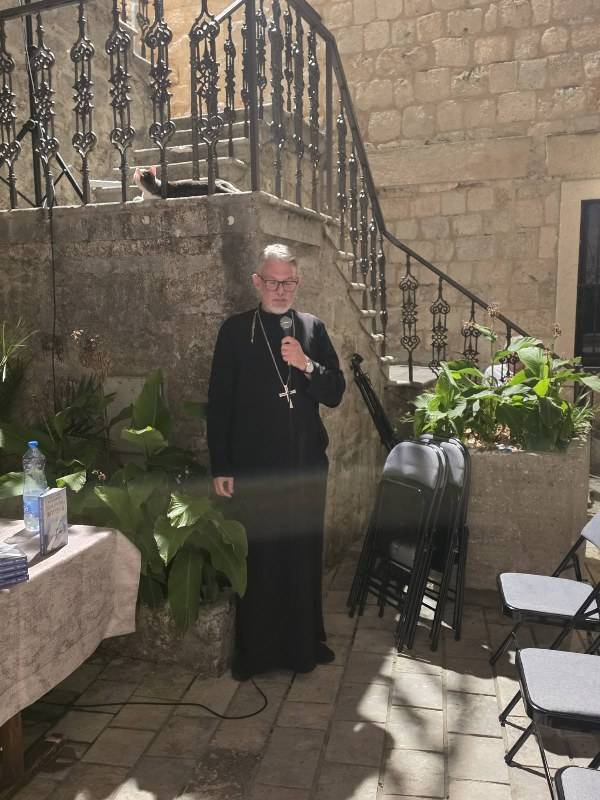
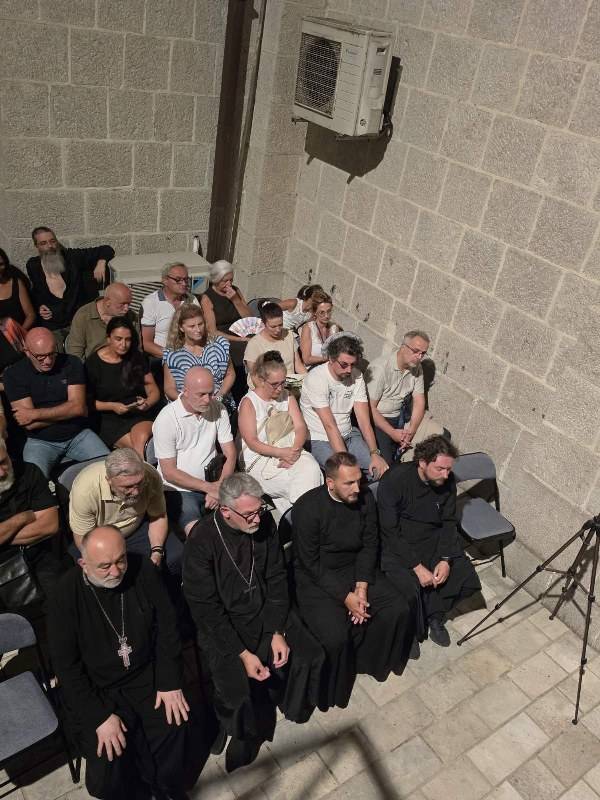
The guests and the large audience that attended the literary evening were addressed by the Archbishop’s Vicar of Kotor-Tivat, the parish priest of Kotor, Archpriest-Staurophorus Nemanja Krivokapić, who said that the very title of the book “Needing Each Other” in the Christian sense was a real occasion for beautiful thoughts and encounters.
Predrag Nikolić
(Radio Kotor)
FOTOGRAFIJE
.png)
POVEZANI ČLANCI
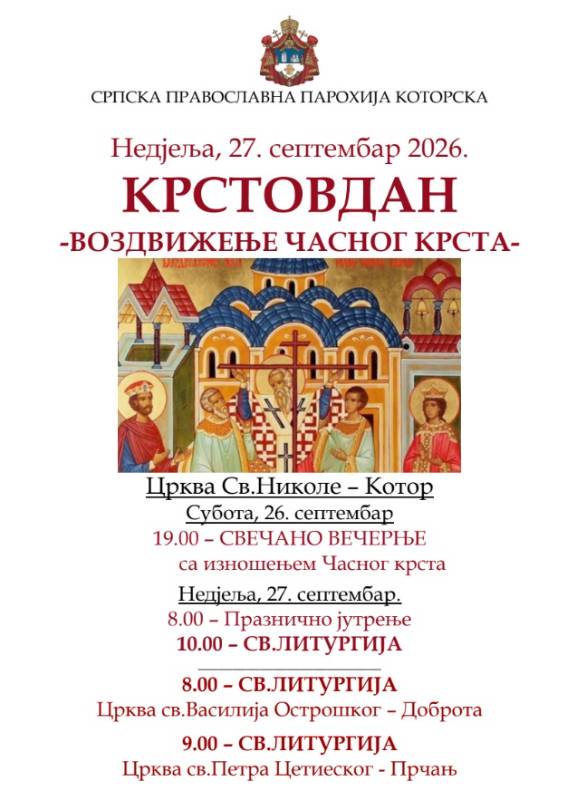
BOGOSLUŽENJA POVODOM KRSTOVDANA
U nedjelju, 27. septembra 2026. je KRSTOVDAN - VOZDVIŽENJE ČASNOG...
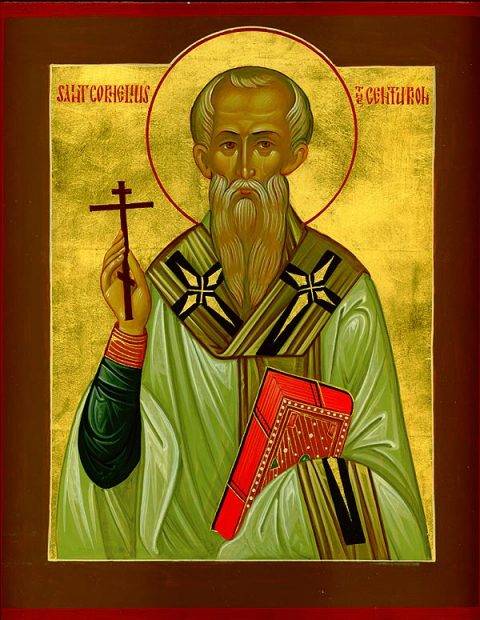
Kalendar za 26. septembar Sveti sveštenomučenik Kornilije
Bio je rimski oficir u Kesariji Palestinskoj. Krstio ga apostol Petar (Dela...
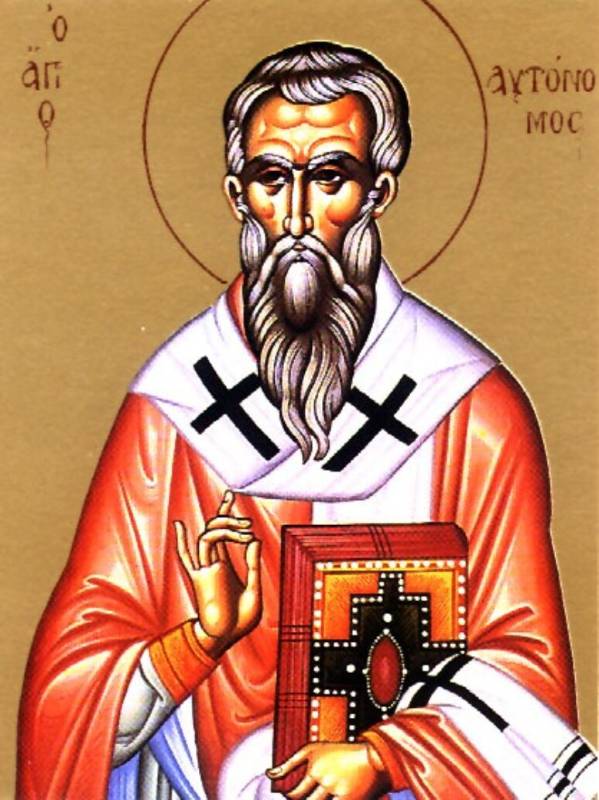
Kalendar za 25. septembar Sveti sveštenomučenik Avtonom
U vreme gonjenja hrišćana pod carem Dioklecijanom, kao episkop,...