DR. OLIVER SUBOTIĆ ON THE PHENOMENON OF SCRANOCRACY AS THE OCCUPATION OF THE HUMAN MIND THROUGH AUDIOVISUAL SENSATIONS: FROM TABLET TO TABLET IS A SMALL STEP
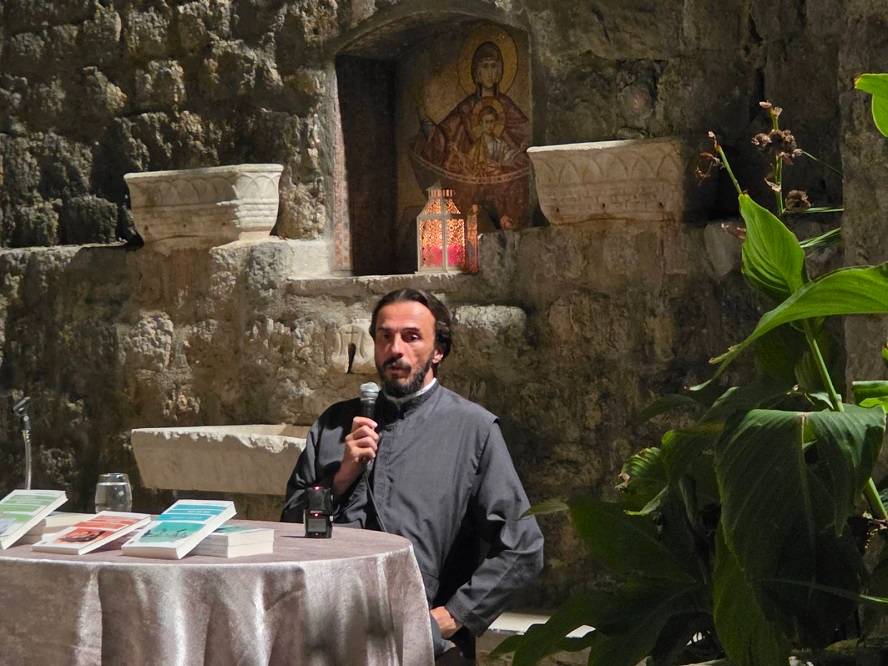
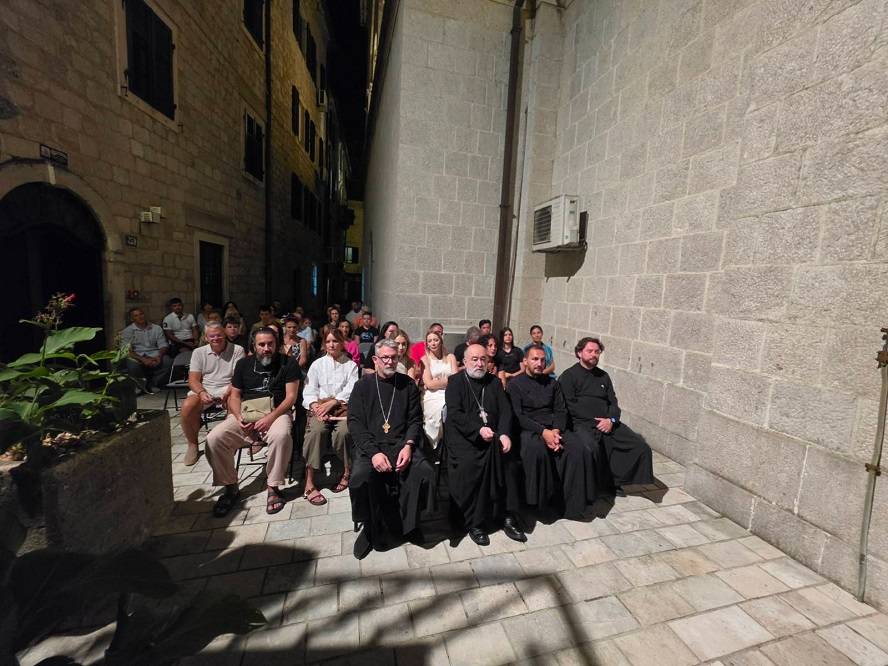
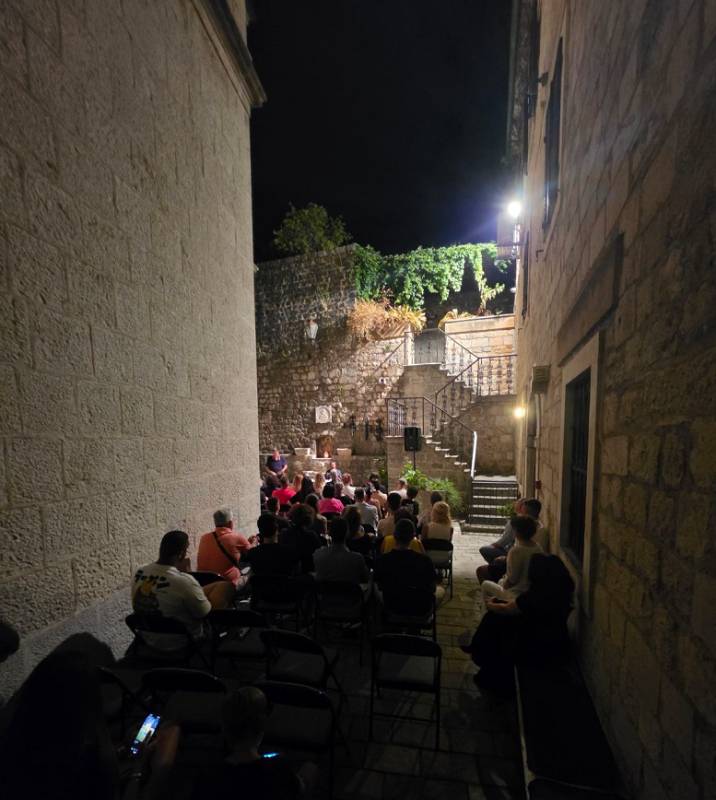
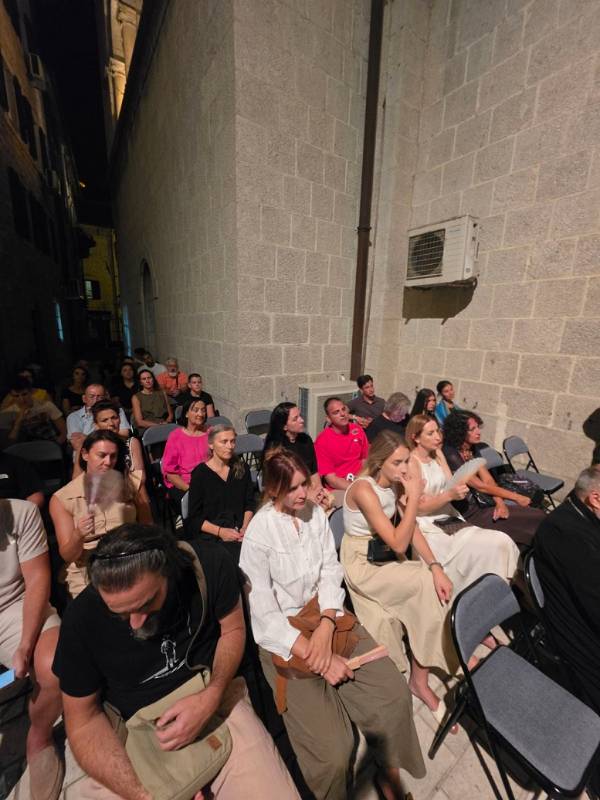
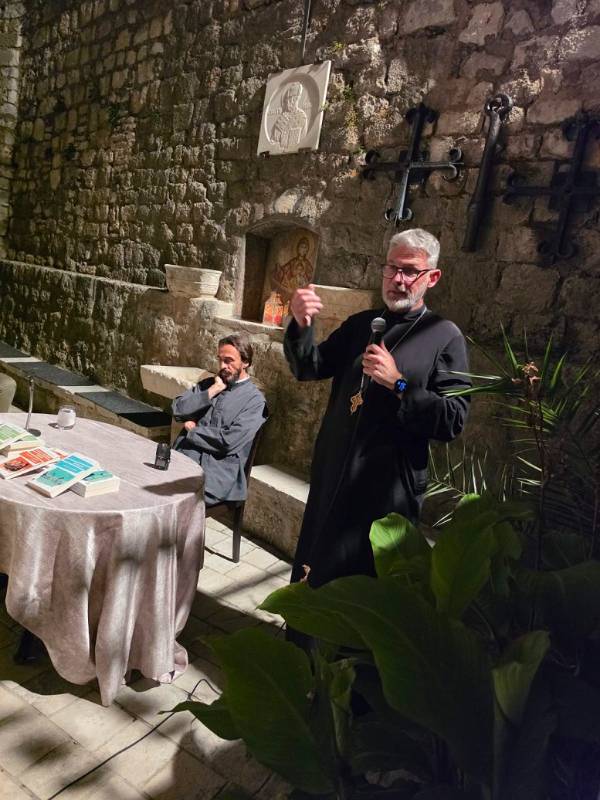
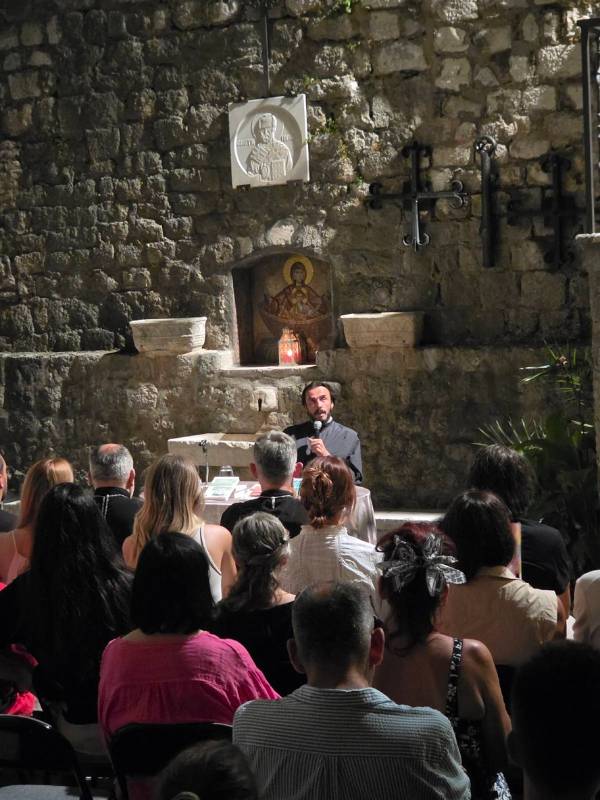
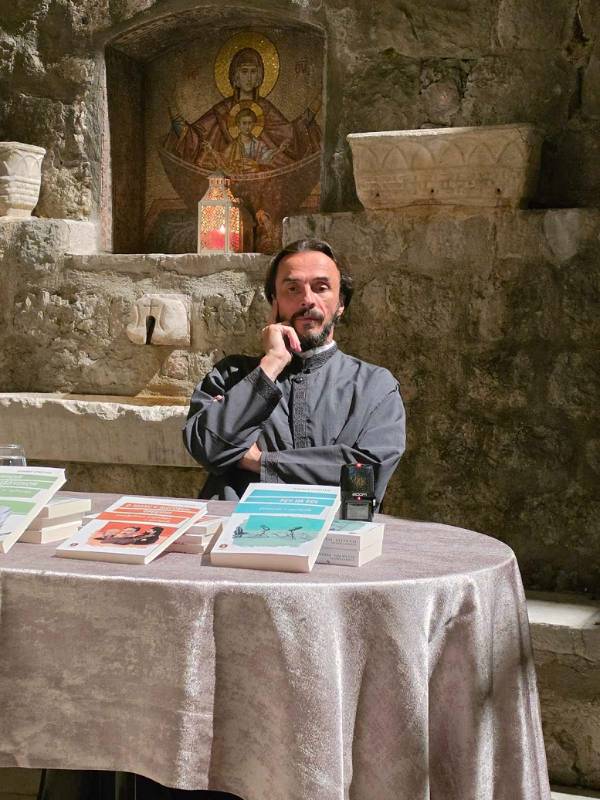
Priest Dr. Oliver Subotić, head of the Missionary Department of the Archdiocese of Belgrade-Karlovac, held a lecture yesterday in the courtyard of the Church of St. Nicholas in the Old Town on the importance of the parental role in the era of “ecranocracy”, a phenomenon that he described as the occupation of the human mind, or reason, through audiovisual sensations, coming from the screen.
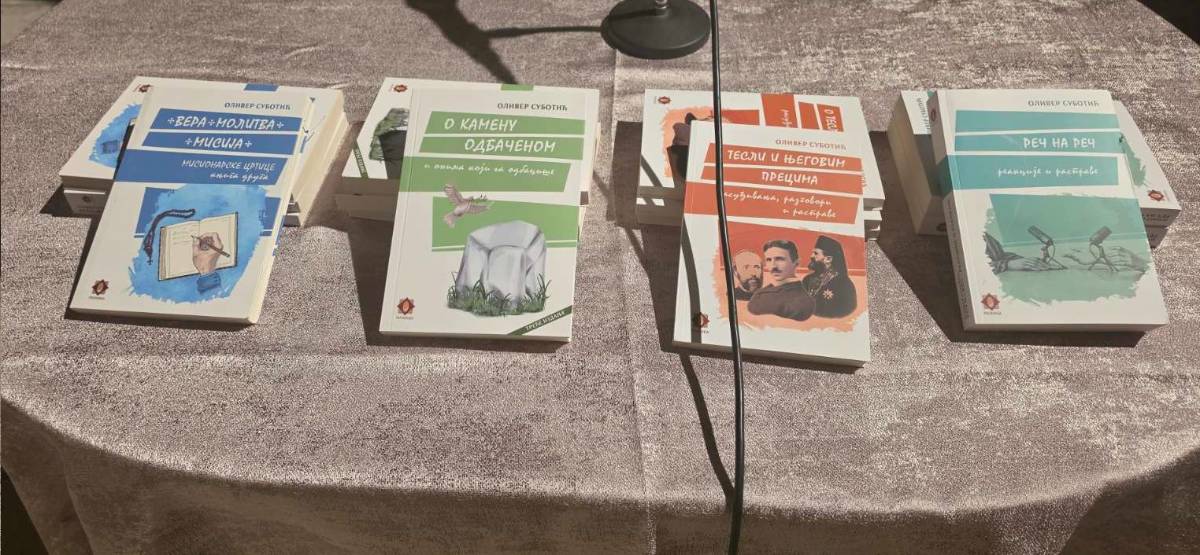
The lecture was conceived on the basis of two decades of research into the impact of modern information and communication technologies on the life of man and society, which was collected in the books “Man and Technology”, “Church and Globalization”, “Information-Controlled Society” and “Digital Challenge”, which the lecturer published in the given period. The lecture discussed what ecranocracy is, how a person becomes a subject of the screen in the information age, how to teach parents to gain inner freedom and sovereignty over the technology that so often enslaves man in our time, and, most importantly, how to pass on the acquired good habits towards technology to our children.
“When I say screen, I do not mean only a television or computer screen, but also tablets, smartphones - computers with telecommunications capabilities. The main mechanism of ecranocracy is that it does not enslave by force. It enslaves through pleasure, because no one forces us to be in front of the screen. That pleasure attracts us to be constantly exposed to the influence that comes from that side and that at one point, unfortunately, makes us its subjects,” says Dr. Subotić.
On the other hand, the leaders of the world’s leading companies, which have contributed to the phenomena of the “digital” world in which we live today, have a different, “selective approach to technology, when it comes to children and the general family environment”.
“ In 2010, a journalist for the New York Times, Nick Bolton, visits one of the most powerful people in Silicon Valley, Steve Jobs. He comes to his home and expects to find an absolutely technological space there, “touch screens”, the latest technical words and the like. However, Bolton is amazed by the fact that he comes across an absolutely different home that has classic furniture and, which is very important, exudes a family atmosphere. What particularly amazes him is that none of the children of the first man of Apple had an iPod. That was an astonishing discovery for him. What particularly impressed him was that Steve Jobs would talk to his children every evening, after dinner, at the large dining room table, about topics such as history, society, and the like, without a phone on the table. Jobs was not the only man who had a selective approach to technology, when it came to children and the general family environment. Some other big names in this field, like Bill Gates for example, had a similar more or less restrictive approach, selective, and that makes us know that there is something in this area that we as parents need to be aware of. Because if these people, the avant-garde of the IT world, acted like this, it at least lets us know that we too need to reconsider our position,” said Subotić.
Dr. Ranko Rajović has been dealing with the detrimental impact of screens on children and the wrong behavior of parents in the whole story for years.
“My dear friend Dr. Rajović explains to people why it is disastrous for children who will not develop dynamic accommodation of the eye, to significantly greater consequences because at that time the synapses in the brain should also be developing. In this way (by giving children even at the earliest age devices, such as smartphones, tablets, computers (ed.)) block the development of the child's brain functions because the brain is an organ that develops through activity. The child needs to be active, to jump, to play... I think it is a big problem that parents unconsciously pay tribute. Just as there used to be a tribute in the blood, described in the novel "The Bridge on the Drinić River", where mothers cried, wailed, and lamented when their children were taken from them, today we have a different situation. Parents voluntarily give their children to the "technological dragon", which is a specific tribute in the blood, and only for the sake of comfort, so that they can watch a series, do something... They give their children a tablet to calm them down, so that they can enjoy themselves. There is a sentence that I occasionally tell parents to warn them, and it goes: "every next time you do it, from a tablet (device) to a tablet (medicine) is a small step," emphasized Dr. Oliver.
When asked why the child is "hooked" on pills, he answers that the reason is the dopamine-endorphin effect, i.e. a natural process in the brain when dopamine (motivation and reward) and endorphin (pain reduction and feeling of euphoria) are secreted together.
"With us, too, the hormone of happiness, the hormone of pleasure, was secreted when we were children, but gradually. We didn't have something at the push of a button every day, so we're going to be like, 'Wow'. Even when we had those (television) screens, I remember on New Year's, when there were movie marathons, so you wait, because there's a movie about Bruce Lee in two days. I waited when there was a movie about Bruce Lee, so it goes slowly, you prepare and then, after, when the movie comes, it's the climax and then slowly It's the same when it comes to birthdays. You wait for the birthdays to arrive, and then they fall. Now, they're used to raising their hormones, without even knowing what's going on. When they're seventeen, there's nothing to do. That's a problem which people do not see. That is dangerous problem. To solve it, you need to have a selective, critically oriented approach - "everything is possible, but in small doses", with an agreement on how much, when and for what reason", said, among other things, Father Oliver Subotić.
Welcoming the pilgrims, the archbishopric vicar of Kotor-Tivat, the parish priest of Kotor, Archpriest - Stavrophor Nemaja Krivokapić, mentioned the possibility that Father Oliver Subotić would again be a guest in Kotor this year, where he lived and wrote some of his books.
The organizer of the lecture was the Serbian Orthodox Church Municipality of Kotor.
Predrag Nikolić
(Radio Kotor)
PHOTOS
.png)
RELATED ARTICLES
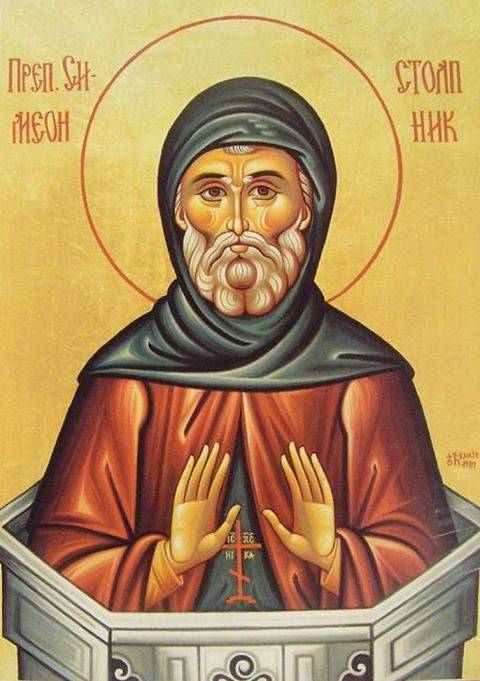
Calendar for September 14 Venerable Simeon Stolpnik - church New Year
A native of Syria, of peasant parents. At the age of 18, he ran away from home...
CELEBRATION CAKE IN HONOR OF THE HOLY MARTYRS OF JASENOVAC
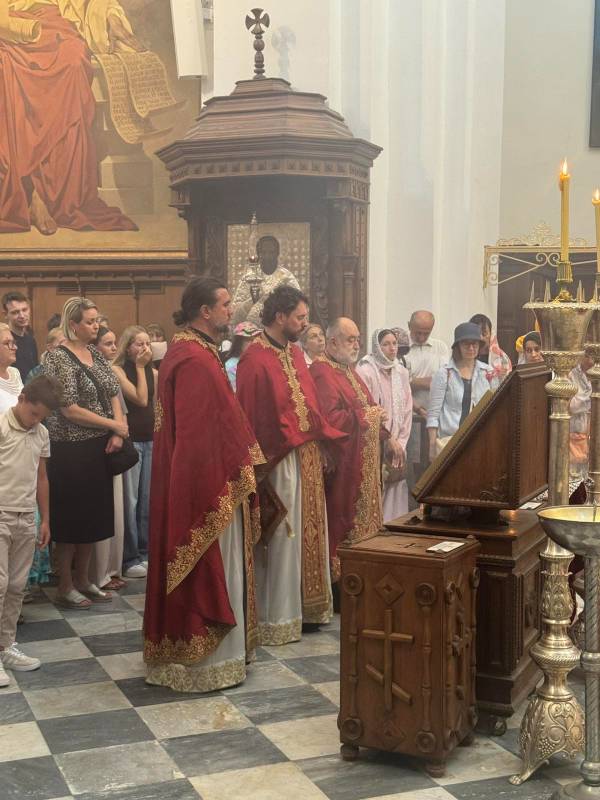
After the liturgy in the Church of St. Nicholas in Kotor, a celebratory cake...
Calendar for September 13 The Laying of the Belt of the Most Holy Theotokos
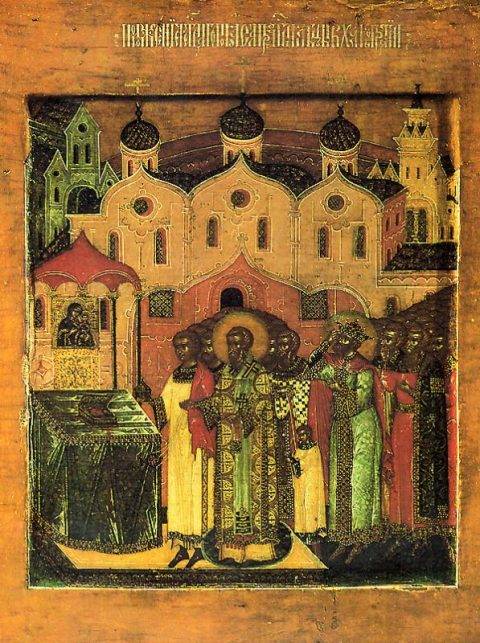
After her Dormition, the Most Holy Theotokos gave her belt to the Apostle...